Nightshade-Free Diet For Beginners: Complete Food List & Meal Plan
Struggling with unexplained inflammation, joint pain, or digestive issues? Nightshade intolerance could be the hidden trigger. This complete beginner’s guide will show you exactly how to follow a nightshade-free diet and identify whether these foods are affecting your health.
Nightshade vegetables part of the Solanaceae family contain natural compounds that can trigger symptoms in sensitive individuals. For those with nightshade intolerance, these foods may contribute to inflammation, gut issues, fatigue, and autoimmune flare-ups.
In this guide, you’ll learn what nightshade vegetables are, how they impact the body, and the most common symptoms of nightshade sensitivity. We’ll also walk you through how to start a nightshade elimination diet safely and effectively.
Whether you’re trying to manage an autoimmune condition or simply want to reduce inflammation and improve your overall wellbeing, this guide will give you the clarity and tools you need to take control of your diet.
You’ll also find nightshade-free recipes, practical food swaps, and helpful resources to support you every step of the way.
Key Takeaways
A nightshade-free diet removes foods from the Solanaceae family, including tomatoes, potatoes, peppers, aubergine, tomatillos, and related ingredients such as paprika and chilli powder.
Some people use a 2 to 4 week elimination and reintroduction plan to see whether nightshades trigger symptoms such as joint pain, digestive issues, skin flares, fatigue, or migraines.
Common nightshade-free swaps include sweet potatoes, cauliflower, cassava, polenta, zucchini, butternut squash, beetroot, radishes, celery, cucumber, carrots, and pomegranates.
Reading labels matters because nightshades can hide in sauces, spice blends, potato starch, and processed foods.
Medical advice is recommended before starting a restrictive diet, especially if symptoms are severe or linked to an existing condition.
This article is for educational purposes only and should not be taken as medical advice. I am not a healthcare provider. If you have food allergies, intolerances, or experience any symptoms, please consult a qualified healthcare professional or allergist for proper guidance and support.
What are Nightshades?
Nightshades are everyday foods like tomatoes, potatoes and peppers that some people choose to avoid due to their potential links with inflammation and food sensitivities.
Vegetables in the nightshade family belong to the Solanaceae group, which includes over 2,500 plant species. Only a few of these plants are commonly used in everyday cooking; they are mostly toxic as they naturally contain compounds called alkaloids. For some individuals, these compounds can trigger sensitivities or adverse reactions.
The nightshade family is incredibly diverse, ranging from familiar foods like potatoes to plants such as tobacco and even the hallucinogenic datura. Not all nightshades are edible some, like bittersweet nightshade (a relative of the tomato), are known to be highly toxic.
All nightshade plants contain small amounts of a compound called solanine. This acts as a natural defence mechanism, helping protect the plant from insects. However, in larger amounts, solanine can be harmful to both humans and animals.
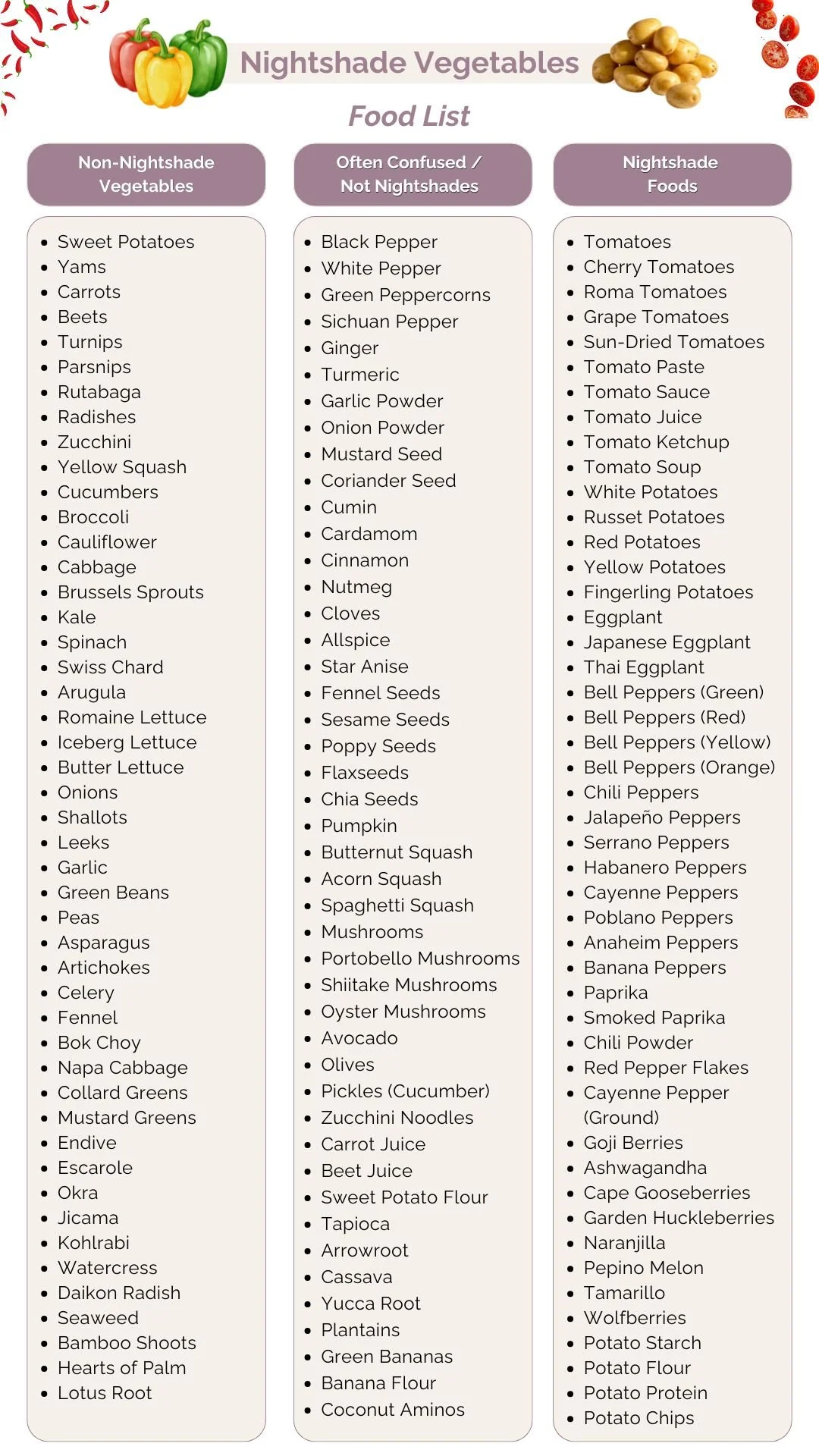
Download this free nightshade vegetable food list
What is a Nightshade Free Diet?
A successful nightshade-free diet is all about knowing what to avoid, finding suitable alternatives and creating delicious meals without feeling restricted. A nightshade-free diet removes all vegetables and foods derived from this plant family, which may help reduce symptoms for those who are sensitive to these compounds.
Why Some People Avoid Nightshades
Toxic compounds in vegetables of the nightshade family:
The Nightshade family of vegetables contain certain substances that fall under the category of alkaloids. While these compounds are natural and can have beneficial effects in certain situations, some people may be more sensitive to them due to individual factors. It's important to note that the levels of these compounds can vary among different varieties of nightshades and even within individual plants.
One common alkaloid found in nightshades is solanine. This compound is a natural defence mechanism for the plants, helping protect them from insects and other pests. However, solanine can be toxic to humans in high concentrations. Symptoms of solanine poisoning may include gastrointestinal issues such as nausea, vomiting, and diarrhoea.
For me, eating nightshades often triggers breakouts, with spots and rashes appearing on my face. At times, the swelling can be quite severe. I’ve woken up with a swollen lip or one eyelid puffed up enough to make it look like I’d been in a boxing match.
Giving up tobacco was the hardest part, but also one of the most beneficial changes I’ve made. When I did smoke, it would sometimes trigger intense, migraine-like headaches that wouldn’t ease with sleep or paracetamol, leaving me feeling weak and unwell the next day. I’ve even had to take time off work because of it.
For me, it simply isn’t worth the impact it has on my body.
Common symptoms of nightshade sensitivity or intolerance:
Joint pain, inflammation
Fatigue, rashes
Migraines
Skin flares
Digestive distress
Worsening of preexisting conditions
By identifying these symptoms and eliminating the family of nightshade vegetables from your diet, you may experience relief and improve your overall health.
Another alkaloid present in nightshades is nicotine. Yes, the same nicotine that is notorious for its association with tobacco. However, the levels of nicotine in nightshade vegetables are significantly lower than those found in tobacco products. Nevertheless, some individuals may still experience sensitivities or adverse reactions to even these trace amounts of nicotine.
Moreover, certain nightshade vegetables, like green tomatoes and unripe potatoes, contain higher levels of toxic compounds compared to their fully ripened counterparts. Therefore, it's essential to consider the ripeness and preparation methods when consuming nightshade vegetables or to avoid them altogether.
Do Nightshades Cause Inflammation?
What the Research Shows
The Arthritis Foundation says: Decades-old mouse studies reported that solanine damaged the gut lining and increased intestinal inflammation in colitis, a type of inflammatory bowel disease. But the latest research in mice found the opposite. Although some individuals with sensitivities avoid nightshades, not all nightshades have the same effects. Research in animal studies suggests that anthocyanin-rich purple potatoes and goji berries may support gut health by reducing inflammation, improving gut barrier function and positively influencing the gut microbiome. However, more human studies are needed to confirm these effects.
When evaluating these studies, it’s important to keep in mind that mouse studies rarely translate well to human beings.
How To Do A Nightshade Elimination Diet
A nightshade elimination diet is a short-term approach used to identify whether foods from the Solanaceae family, such as tomatoes, potatoes, and peppers, may be contributing to symptoms like joint pain, inflammation, or digestive issues.
1. Preparation: Identify Hidden Sources
Before you begin, it’s important to understand exactly what to avoid. Nightshades can often be hidden in processed foods, sauces, seasonings, and pre-packaged meals.
Tip: Refer to the sections below for a complete list of foods and ingredients to watch for.
2. Elimination Phase (2–4 Weeks)
Remove all nightshade foods from your diet completely for a minimum of 2–4 weeks.
Goal: Allow your body time to reduce inflammation and observe whether symptoms improve.
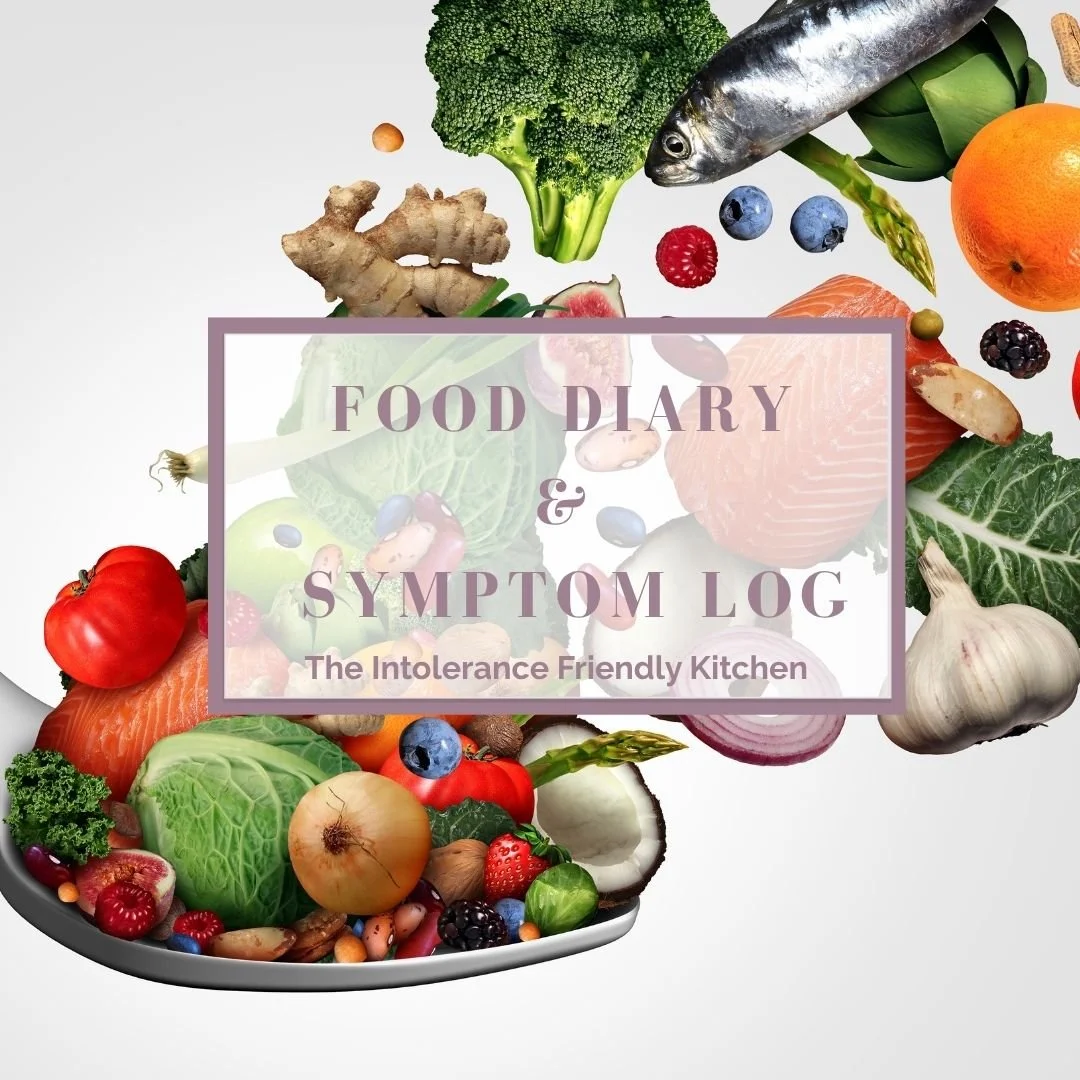
Track Your Progress: Keep a Food & Symptom Journal to record what you eat and how you feel each day.
Cook from Scratch: Preparing meals at home is the most effective way to avoid hidden nightshades commonly found in restaurant or processed foods.
3. Use Healthy Substitutes
To maintain a balanced and nourishing diet, replace nightshade vegetables with nutrient-dense alternatives.
See the substitution ideas below for guidance.
4. Reintroduction Phase (Test One Food at a Time)
Once your symptoms have improved, you can begin reintroducing nightshade foods gradually.
Step-by-Step:
Choose one food (e.g., tomatoes)
Eat a small amount daily for 2–3 days
Monitor: Watch for any returning symptoms such as joint pain, bloating, fatigue, or skin flare-ups.
Pause if Needed: If symptoms return, stop that food immediately and wait until symptoms settle before testing another.
Important Considerations:
Medical Guidance:
Before starting an elimination diet, it’s strongly recommended to consult a healthcare professional or registered dietitian. They can help ensure your diet remains nutritionally balanced and rule out any underlying conditions.
Individual Tolerance:
Everyone responds differently. You may react to certain nightshades (like peppers) but tolerate others without any issues.
Nutritional Balance:
Removing a whole food group can lead to nutrient gaps if not managed carefully. Be sure to replace nightshades with other vitamin- and mineral-rich foods to support overall health.
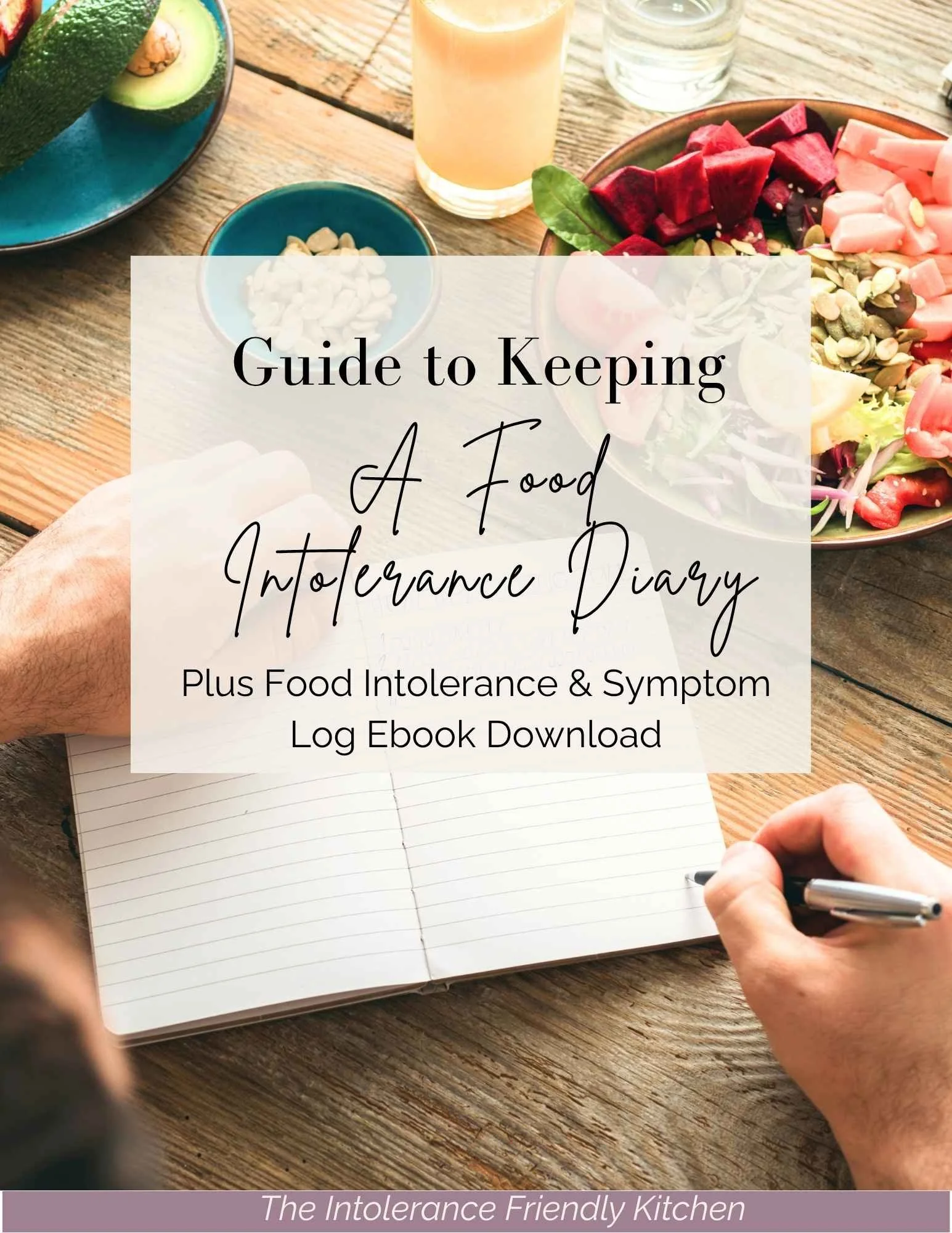
If you’re planning to follow an elimination diet, I highly recommend tracking your progress with a food diary like the one I’ve created below.
It makes it simple to log your meals, identify patterns, and connect foods with symptoms. With a clear, structured food intolerance diary, you can gain valuable insights and support your body on its journey to feeling better.
This section will explore commonly eaten nightshade vegetables and provide nightshade-free alternatives.
What Are Nightshade Foods?
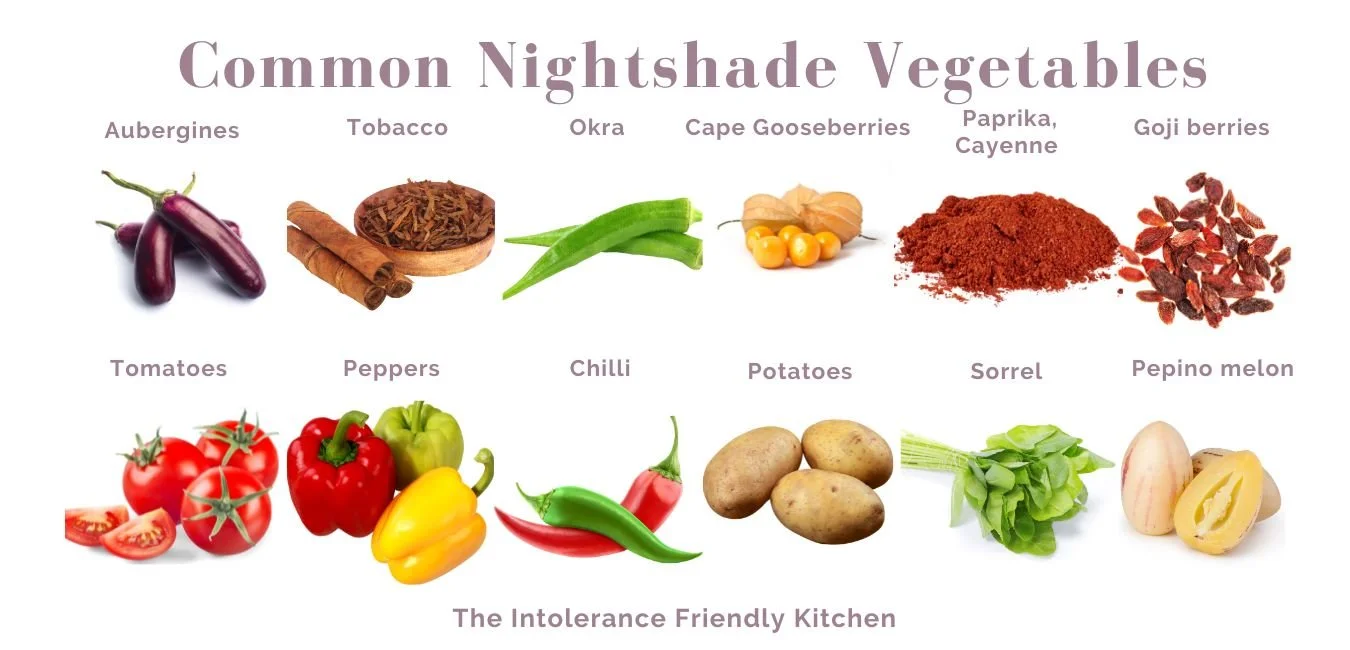
Nightshade vegetables list:
All potatoes (excluding sweet potatoes and white sweet potatoes)
All tomatoes
Tomatillos
Tamarillos
Tobacco
Ashwagandha (a superfood)
Eggplant/Aubergine
Pimentos
All bell peppers
Jalapenos/chilli peppers
Habaneros
Goji berries
Ground cherries
Cape gooseberries
Sorrel
Nightshade Foods to Avoid & Common Ingredients That Contain Them
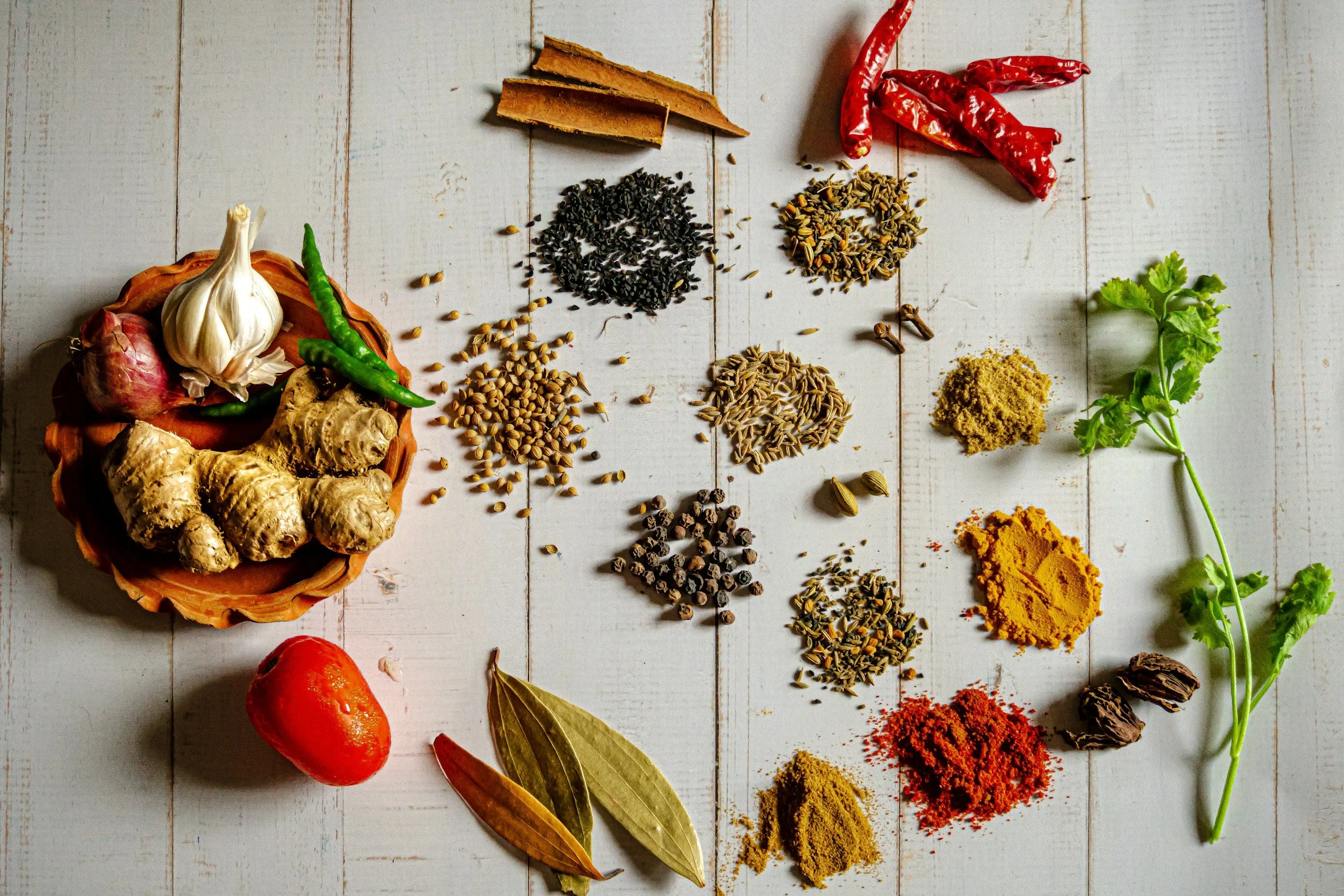
Spices like:
Paprika
Cayenne pepper
Chilli peppers & chilli powder
Curry powder
Garam masala
Chipotle chilli powder
Spice rubs/blends - may contain the above spices always read the label
Sauces & dips:
All hot sauces
Ketchup
BBQ sauces
Red pasta sauces
All red and green salsas
Guacamole that has tomatoes in it
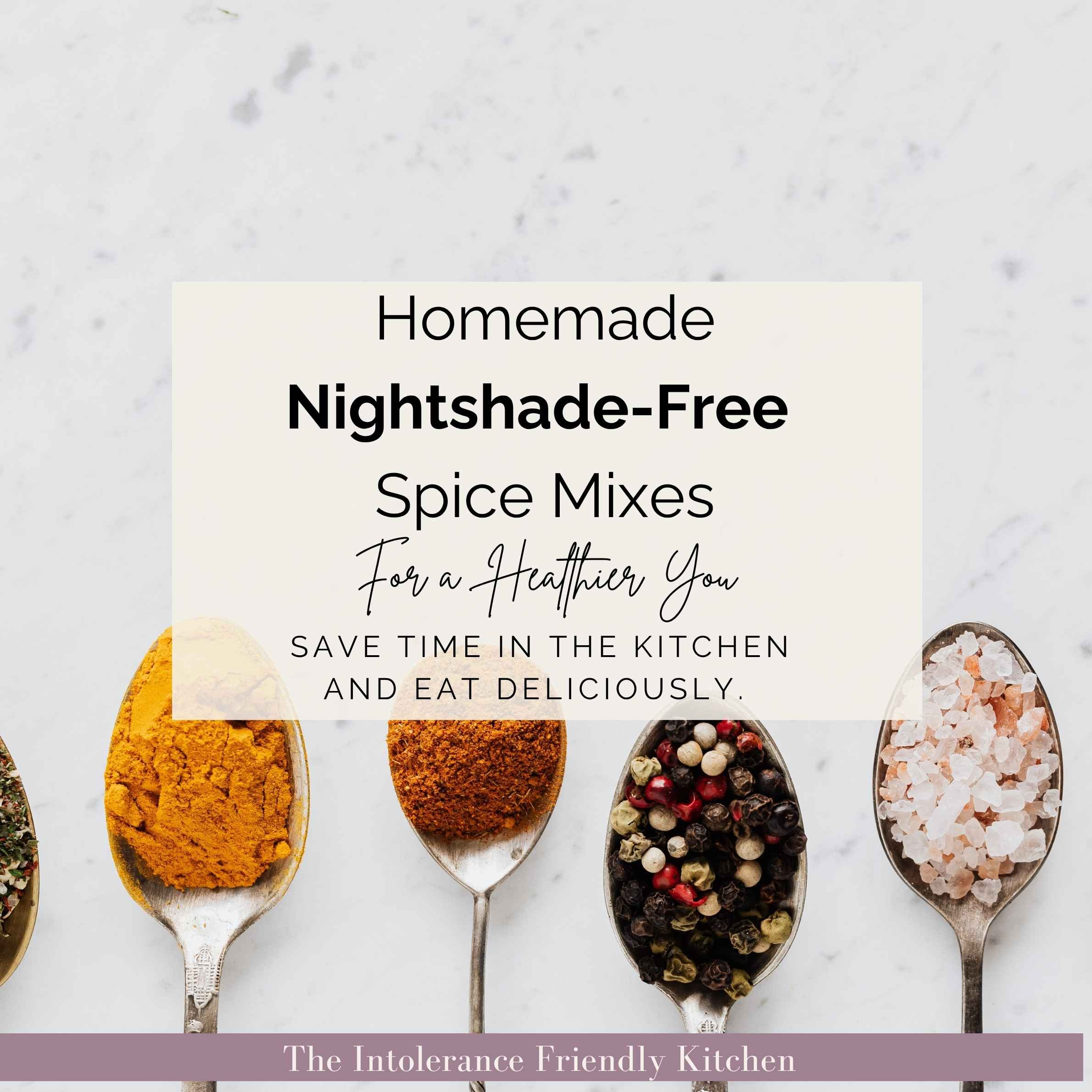
If you are struggling with finding ways to flavour your food or how you will be able to enjoy flavourful food without the hidden triggers or live without bold spices like chilli . This Nightshade-Free Spice Blends Ebook gives you easy, delicious seasoning mixes made without paprika, chilli, or cayenne, so you can stop second-guessing ingredients and start cooking with confidence again.
Perfect for anyone following a nightshade-free diet or struggling with inflammation, these blends bring real flavour back to your meals so you can feel good after eating, not restricted.
Created by me a chef, food lover, and self-confessed spice queen who loves chilli you can trust that every blend has been carefully crafted for maximum flavour, without compromising your nightshade-free needs.
Foods You Can Eat On A Nightshade Free Diet & Safe Swaps
Sweet Potatoes: Including white sweet potatoes. This root vegetable is not a nightshade vegetable and can be a great substitute for regular potatoes. Sweet potatoes are packed with vitamins, fibre, and antioxidants. They can be baked, roasted, mashed, or used in various recipes to add a touch of natural sweetness.
Cassava: Cassava is a versatile root vegetable that’s widely consumed in several parts of the world. It’s also what tapioca starch is made from. You must cook it before eating it, as the raw form can be poisonous. Buy cassava whole or as mogo chips and cassava crisps, usually found in Asian/Indian stores.
Cauliflower: Known for its versatility, cauliflower can replace nightshade vegetables in many dishes. It can be steamed, roasted, mashed, or processed into cauliflower rice. Cauliflower is rich in vitamins C and K and is a low-carb alternative to potatoes.
Polenta: I like using it as a mash substitute. Polenta can also be cooked, cooled and cut into fries and fried. They taste so delicious. If you haven’t tried polenta, you absolutely must. Here is a recipe.
Zucchini: With its mild flavour and crunchy texture, zucchini is a fantastic nightshade-free option. It can be spiralised into noodles, sliced and grilled, or used in stir-fries and casseroles.
Butternut Squash: Butternut squash is another nutritious swap for nightshade vegetables. It is rich in fibre, vitamin C, and vitamin A. You can use butternut squash to make soups, stews, or roasted vegetable medleys.
Broccoli: is a cruciferous vegetable that is high in vitamins C and K. It can be steamed, roasted, or stir-fried as a substitute for nightshade vegetables in various recipes. It adds a nutritious punch to salads, stir-fries, or even pasta dishes.
Beetroot: Beets are a nutritious root vegetable that can be used instead of nightshade vegetables. They are rich in antioxidants and can be roasted, steamed, or even grated into salads for added colour and flavour.
Radishes: Radishes are crunchy, peppery vegetables that can be used as an alternative to nightshade vegetables. They can be sliced and added to salads, pickled for a tangy kick, or even roasted for a unique side dish.
Celery: Celery is a low-calorie vegetable that can be used as a substitute for nightshade vegetables. It is a great addition to salads, soups, or even as a snack with some peanut butter.
Cucumber: Cucumber is a refreshing vegetable that can be used instead of nightshade vegetables. It can be sliced and added to salads, used as a crunchy topping for sandwiches, or even blended into a refreshing cucumber soup.
Carrots: Carrots are a versatile vegetable that can be used as an alternative to nightshade vegetables. They can be roasted, steamed, or grated into dishes like coleslaw or salads. They are rich in beta-carotene and add a natural sweetness to recipes.
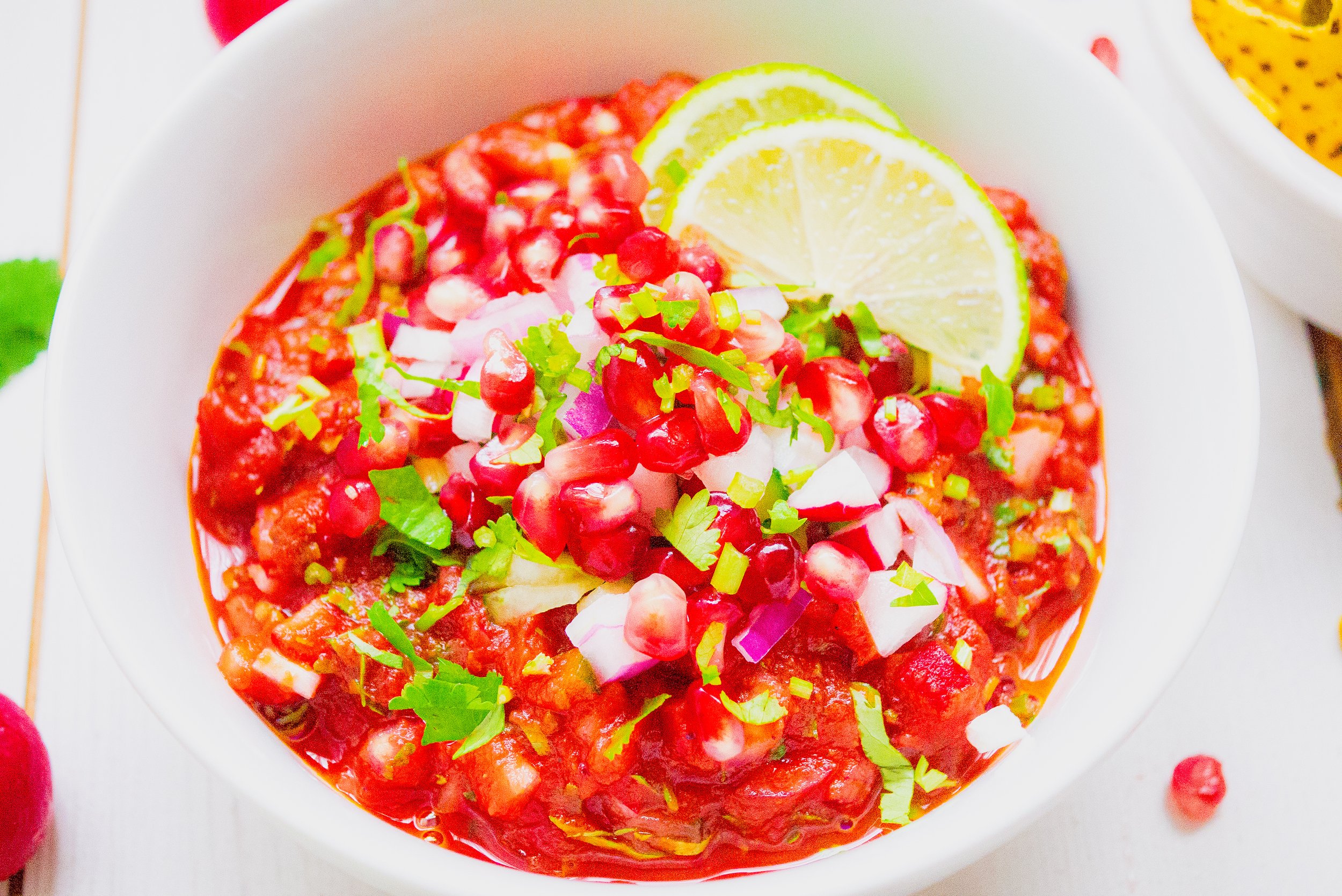
Pomegranates: I use pomegranates instead of tomatoes in salad and salsa recipes. It adds a touch of tart sweetness, just like tomatoes do.
Best Ways to Add Flavour When Cooking on a Nightshade-Free Diet
Adding flavour to your meals without nightshade vegetable ingredients is entirely possible. Here are some nightshade-free condiments and flavourings to consider:
Salt (sea salt or Himalayan salt)
Pepper (black or white, as black pepper is not a nightshade)
Herbs (rosemary, thyme, basil, cilantro
Vinegar (apple cider vinegar, balsamic vinegar)
Wasabi/horseradish
Mustard (double-check ingredients to ensure no nightshade additives)
Spices (turmeric, ginger, cinnamon, nutmeg)
Coconut aminos (a soy sauce substitute)
Incorporating these nightshade-free alternatives into your diet allows you to enjoy diverse flavours and maintain a healthy lifestyle while avoiding nightshade-related complications.
Remember to consult with a healthcare professional or nutritionist for personalised advice if you suspect or have been diagnosed with nightshade sensitivities or allergies. Stay tuned for the next section of our guide to eating a deadly nightshade-free diet.
For more ideas on how to cook for a nightshade-free diet, take a look at my recipe ebook here.
Tips for following a nightshade-free diet
A nightshade-free diet can be challenging, but with the right strategies, you can navigate your way through it successfully. Here are some essential tips to help you follow a nightshade-free diet:
Reading food labels
When you are following a nightshade-free diet, it is essential to read food labels carefully. Many processed foods have nightshade ingredients or derivatives, so it is crucial to scrutinize the labels for potential culprits. You should look out for common nightshade sources such as tomatoes, potatoes, peppers, and paprika.
To make this process easier, you should familiarize yourself with the different names that nightshade ingredients may be listed as. For instance, tomato paste may be referred to as "tomato concentrate" or "tomato puree." By being aware of these aliases, you can avoid accidentally consuming nightshades.
Pay attention to food additives: Certain food additives, such as vegetable or spice extracts, may contain nightshades. These additives can be challenging to identify, so it is essential to research and familiarize yourself with any that are commonly derived from nightshade sources.
Watch out for hidden ingredients: Some processed foods may contain hidden sources of nightshades, such as modified food starch, natural or artificial flavours, or food colourings. These hidden ingredients can make identifying nightshade-containing products more difficult, so be vigilant in your scrutiny. If in doubt always consult with the manufacturer.
Consider cross-reactivity: In some cases, individuals following a nightshade-free diet may also need to avoid certain foods that have cross-reactivity with nightshades. These foods may include tobacco, ashwagandha, or certain spices like curry powder or chilli seasoning. Be aware of any additional dietary restrictions you may have.
Cook meals from scratch
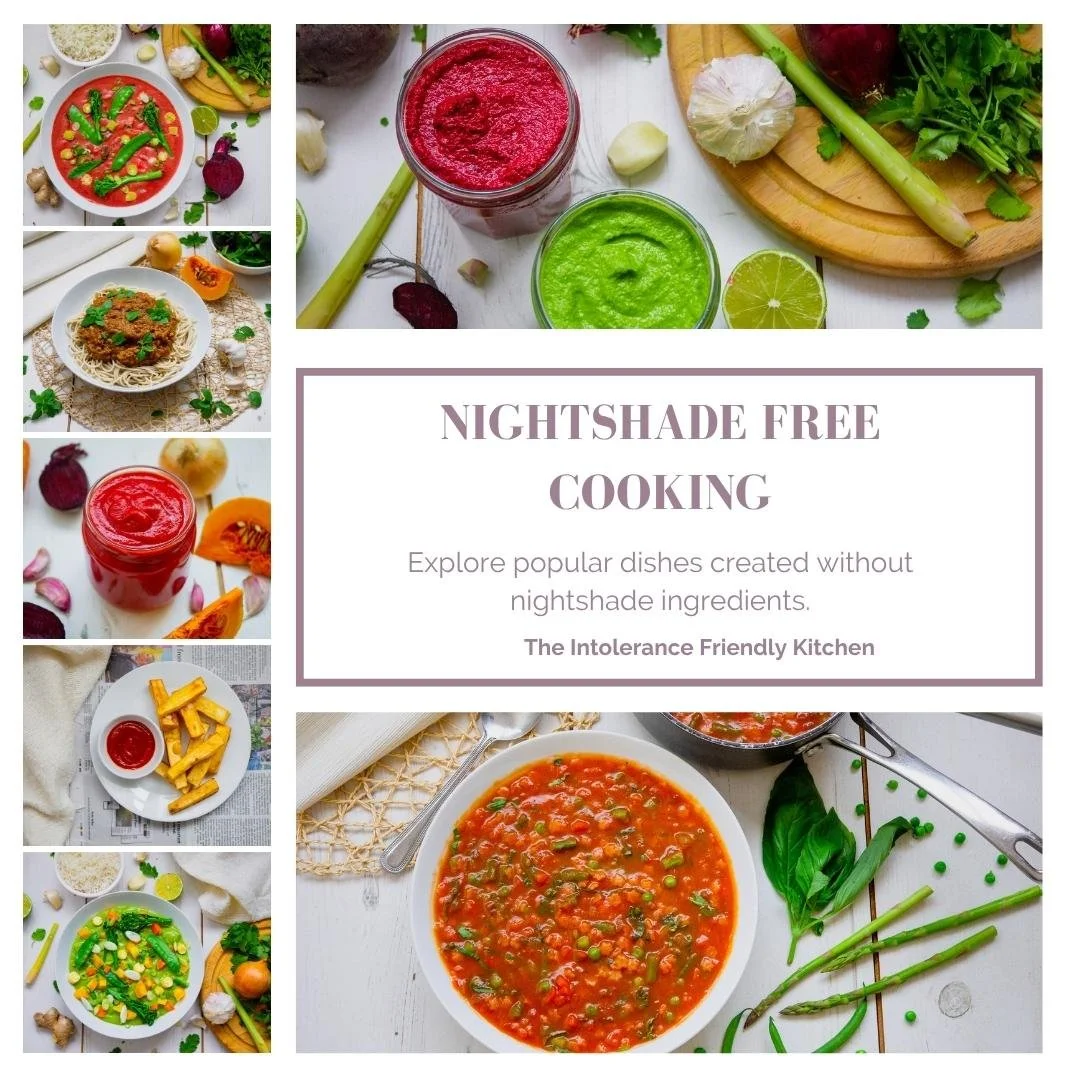
Preparing your meals from scratch allows you to have full control over the ingredients. By cooking at home, you can avoid hidden nightshade sources and ensure that your meals are entirely nightshade-free. Use alternative ingredients such as sweet potatoes or butternut squash as substitutes. I created a cookery book that is nightshade-free, including popular recipes like lasagna, tomato-free sauce, Thai curries, pizza, and so much more; download a copy here.
Diversify your vegetable choices
While nightshade vegetables are common and versatile, there are plenty of other non-nightshade vegetables to explore. Include a variety of leafy greens, cruciferous vegetables (e.g., broccoli, cauliflower), root vegetables (e.g., carrots, beets), and squash in your diet to ensure you're getting a wide range of nutrients.
Monitor your body's response
Pay attention to any changes or improvements in your health after eliminating nightshade vegetables from your diet. Everyone's body is unique, and some individuals may experience improvements in symptoms such as joint pain, digestive issues, or skin problems. Track your progress and discuss any noticeable changes with a healthcare professional.
Places where nightshade foods can hide
Potato starch hides in:
Gluten-free bread, pizza crust, crackers, baked goods
Some soups, stocks or other products with a thickener
Gluten-free flour blends
Nightshade spices hide in:
Most Mexican food – use of chilli and peppers
Indian food - use of chilli
Sausage and hot dogs (these almost always have paprika)
Nightshade spices or starch can be listed under any of these terms:
‘‘Flavours’’
‘‘Natural flavours’’
"Natural flavourings"
"Spices"
"Potato starch"
Any "food starch"
Any "vegetable starch"
Any "vegetable protein"
Anything spicy. I automatically assume there’s some nightshade ingredients in there. Blends of spices or spice rubs are considered a trade secret, so a brand does not need to provide you as the consumer with detailed ingredients on what this includes. More often than not, a product that includes “spices” on the ingredient list will contain nightshades.
Tomatoes hide in:
Vegetable broth
Seasonings (Italian blends and others will often have tomato)
Crisps - paprika, chilli or tomato powder
Nightshade Free Meal Plan
Starting a new and unfamiliar diet can feel overwhelming, but I’ve made it easier for you. Here are 3 days of simple, delicious meals to guide you and take the stress out of getting started.
Day 1
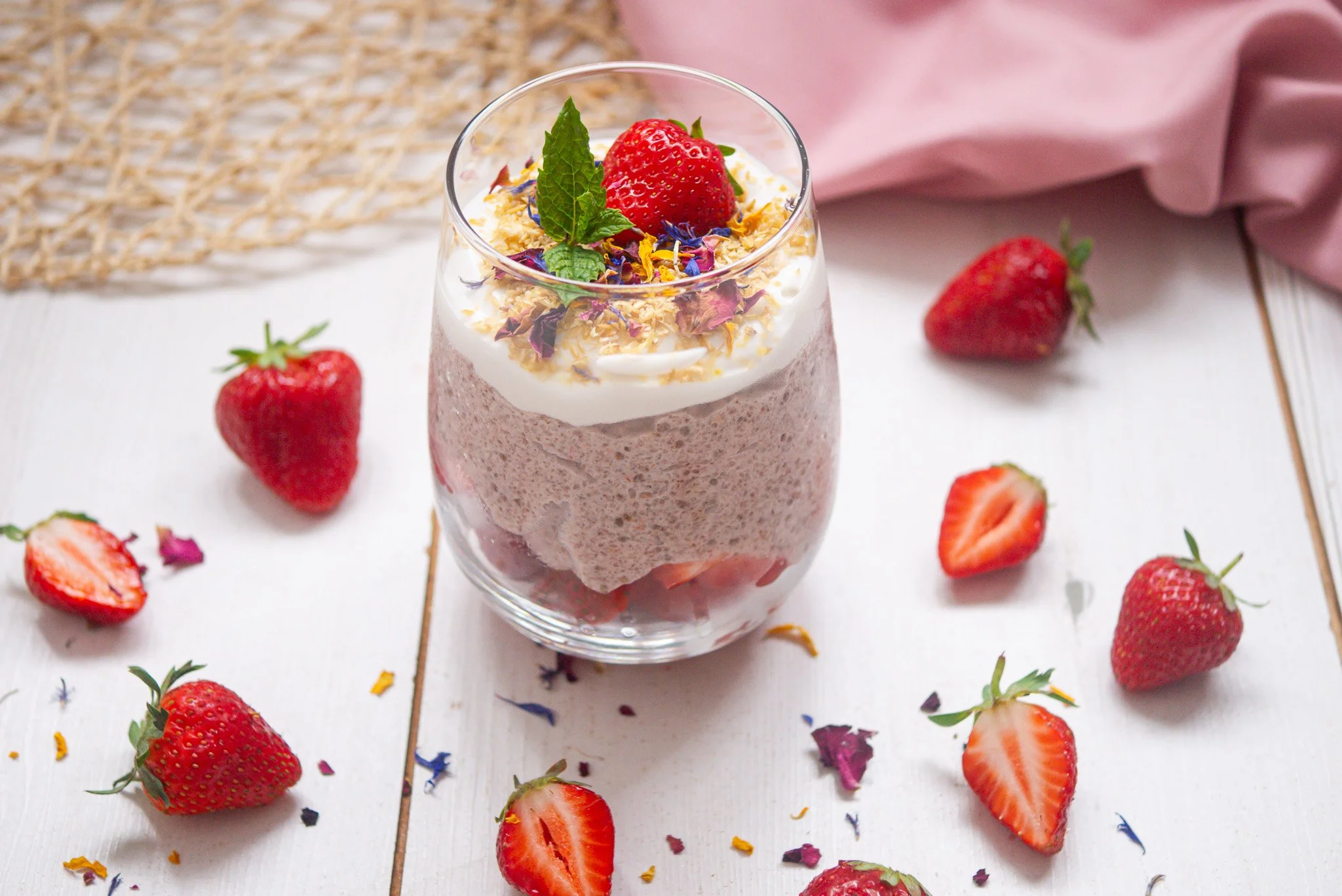
Breakfast
Chia seed pudding, topped with fruit of choice (make extra chia pudding for day 3)
Lunch
Dinner
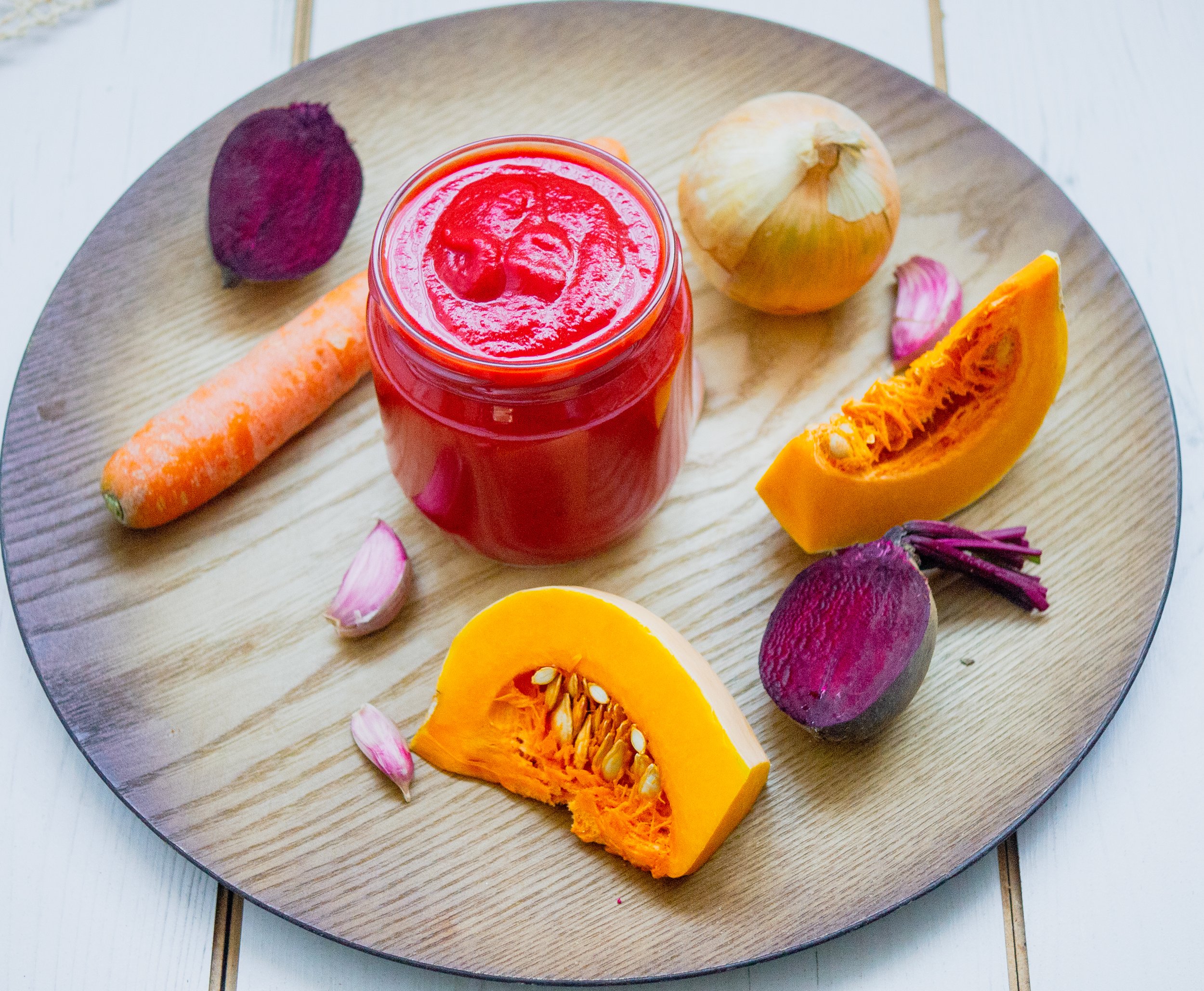
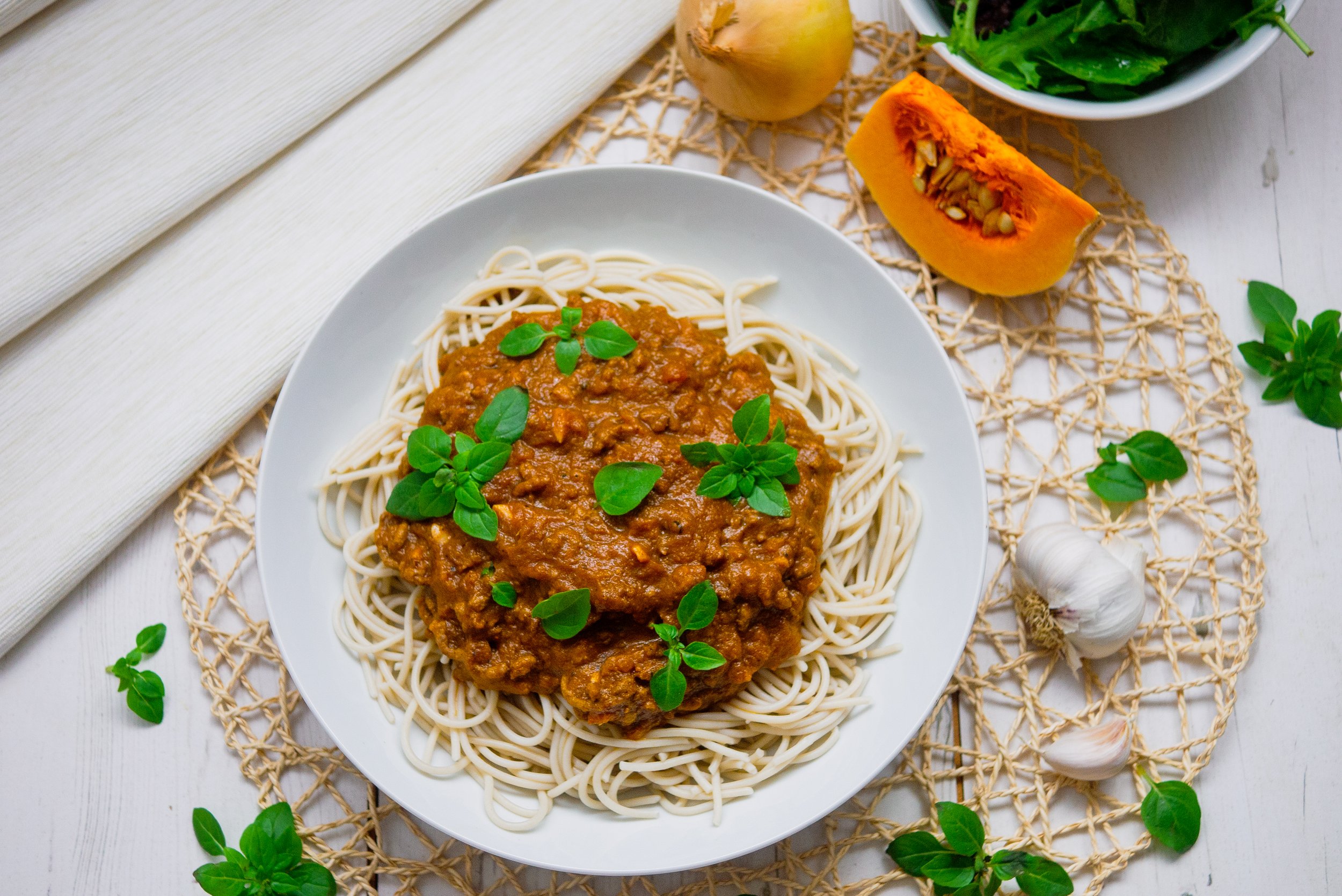
Spaghetti bolognese made with my tomato free sauce (I highly reccommend that you batch cook the no mato sauce into small containers so you have this to hand in the freezer for meals throughout the week, it has been a game changer for myself it makes life that little bit easier)
Day 2
Breakfast
Banana split (be sure to use a dairy free yoghurt like coyos that does not contain potato starch as the thickener)
Lunch
Stuffed avocados with tuna mayo/prawns (make extra tuna & prawn mixture for day 3)
Dinner
Chicken curry (made with my nomato sauce recipe)
Day 3
Breakfast
Chia pudding made from day one - top with different fruit, or add cocoa powder to the mixture and flavour it with orange zest/extract
Lunch
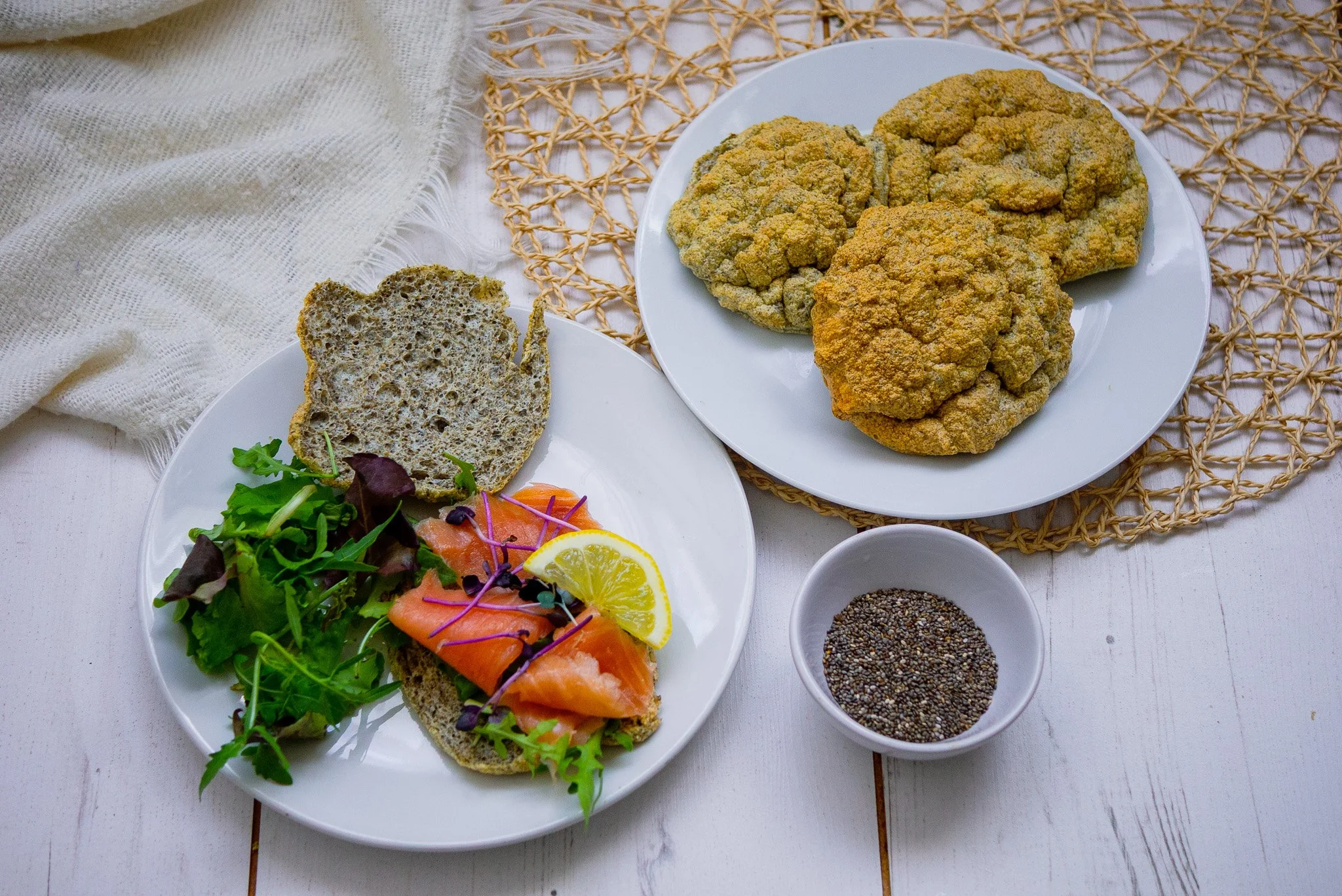
2 ingredient Chickpea wraps - fill with shredded lettuce and tuna mayo mixture in one & prawn mayo in the other
Dinner
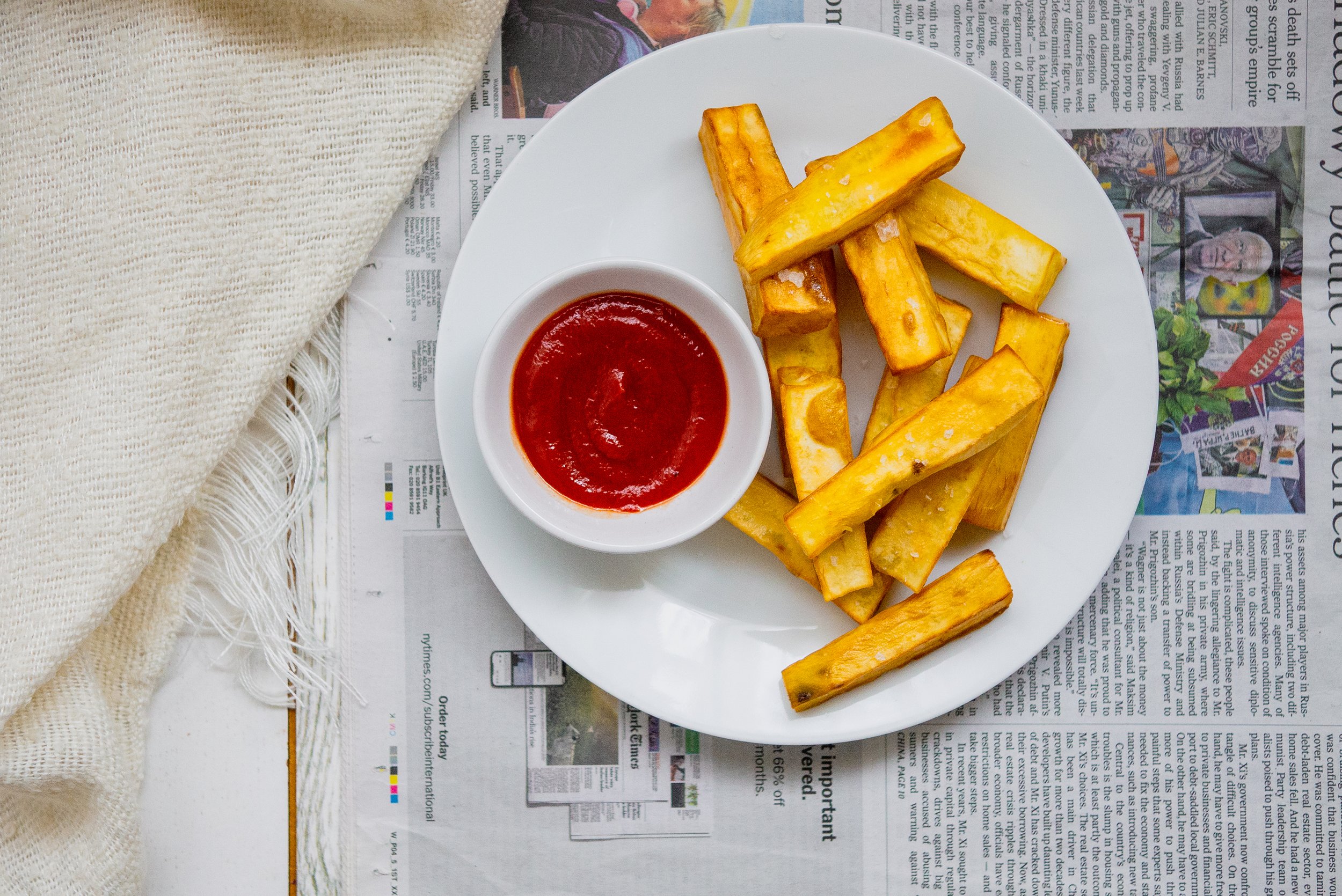
Hamburgers - Serve with roasted sweet potato wedges (if you are looking for a ketchup recipe I have one in my nightshade free ebook below which is so delicious it would be perfect for this hamburger recipe)
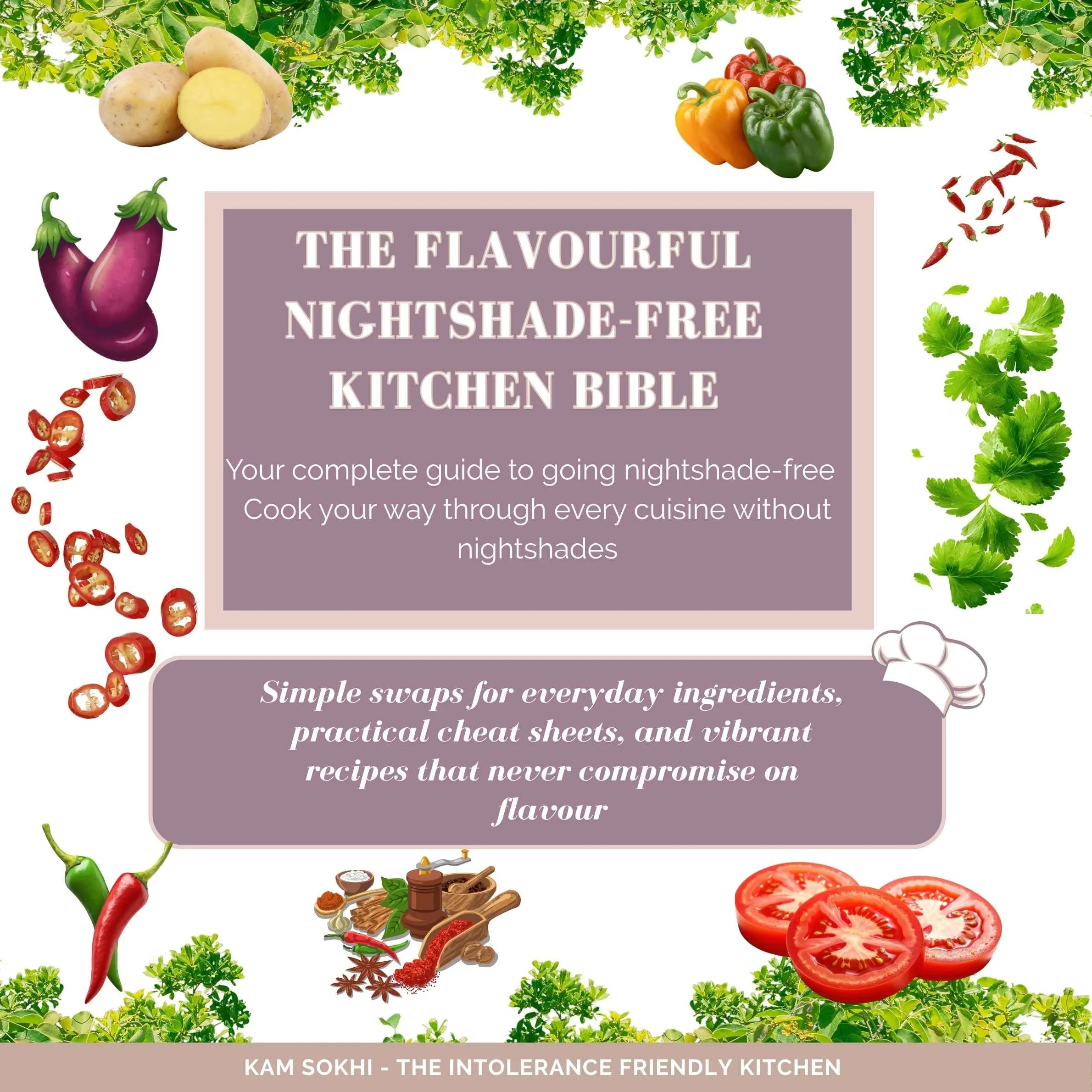
This is your practical, flavour-packed guide to navigating a nightshade-free lifestyle without feeling restricted or overwhelmed. Designed to help you confidently recreate the foods you love, this ebook is packed with over 30 pages of simple ingredient swaps, hidden nightshade guides, flavour-building tips, and accessible alternatives that make nightshade-free cooking easier, more enjoyable, and full of flavour.
Finding nightshade free recipes
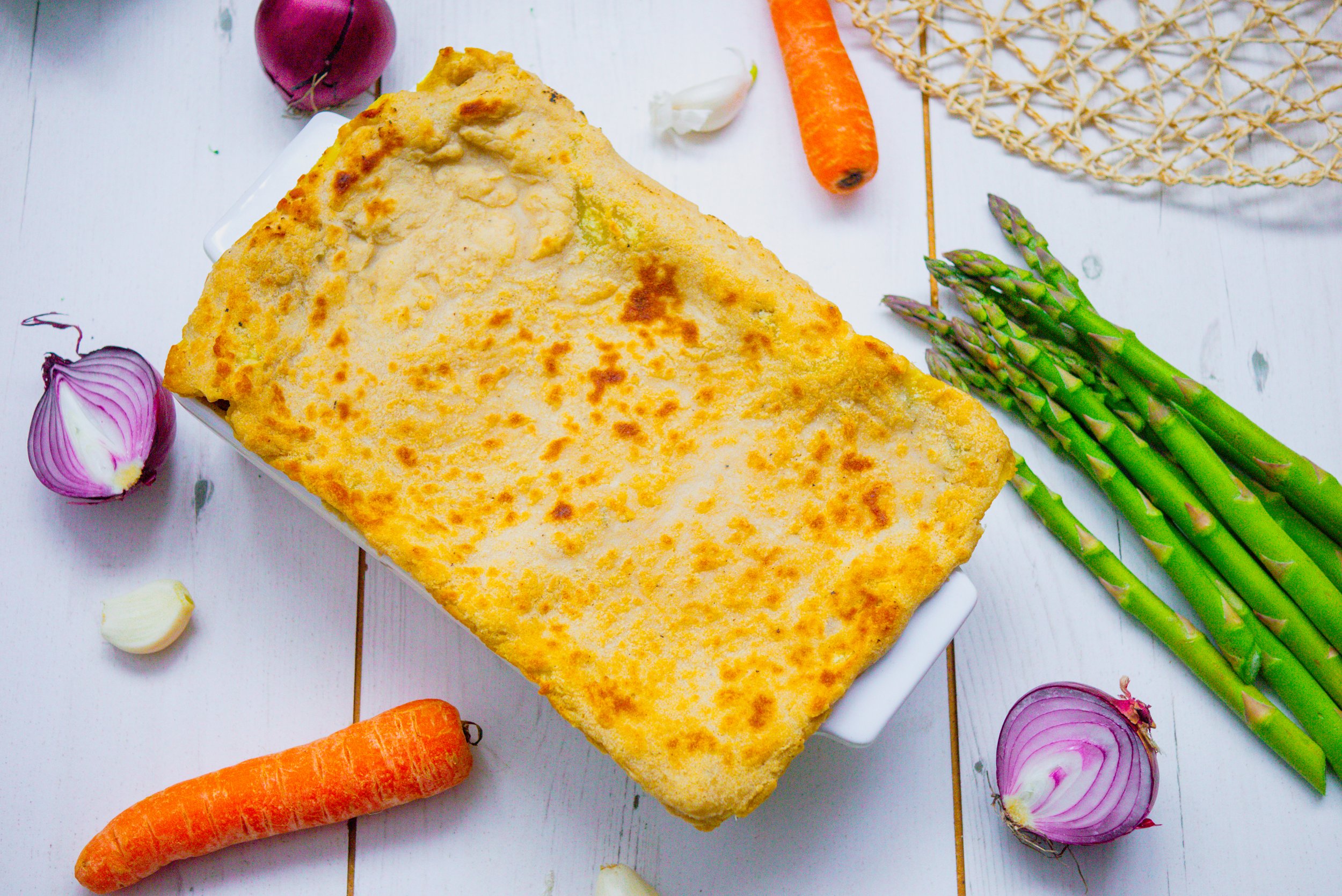
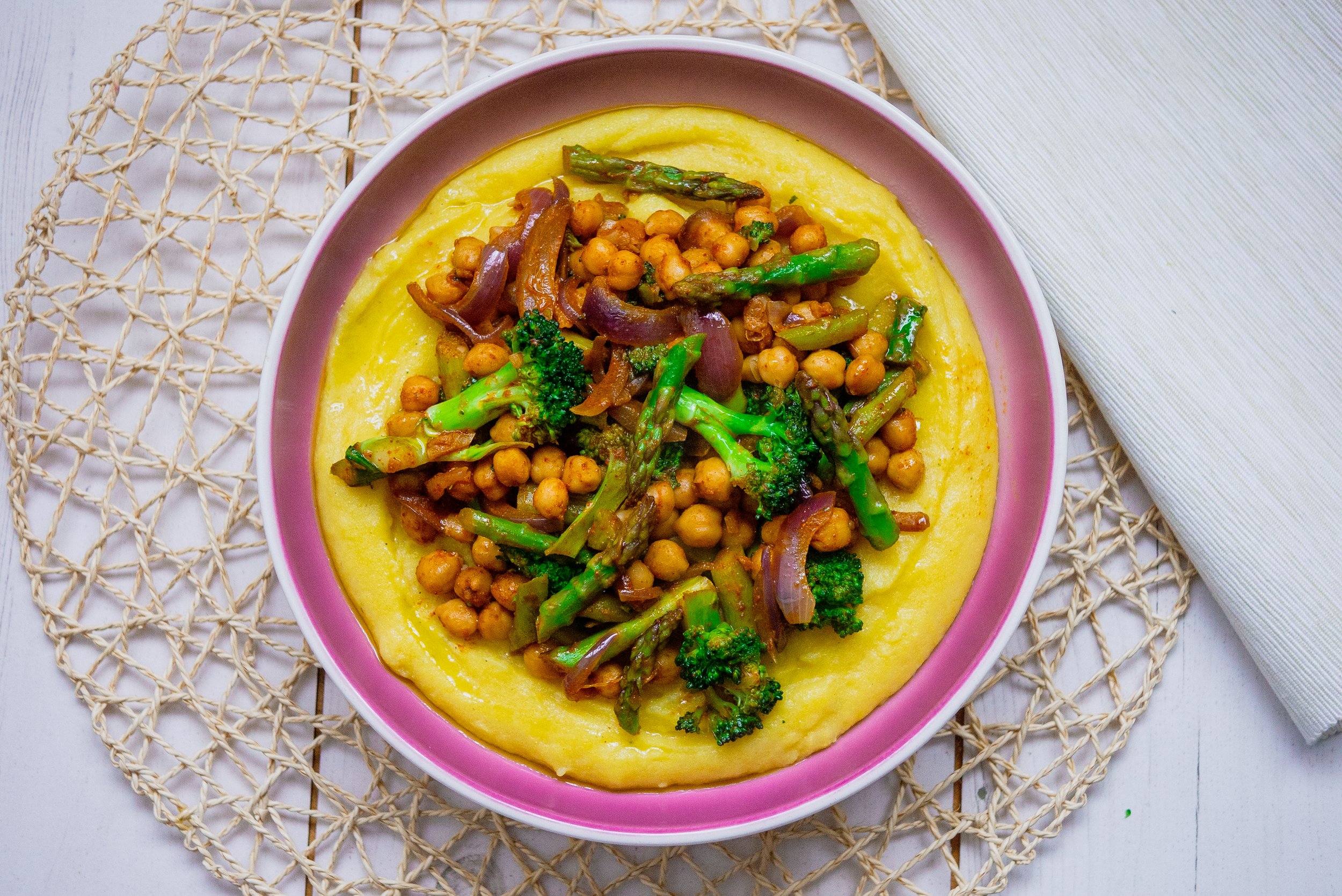
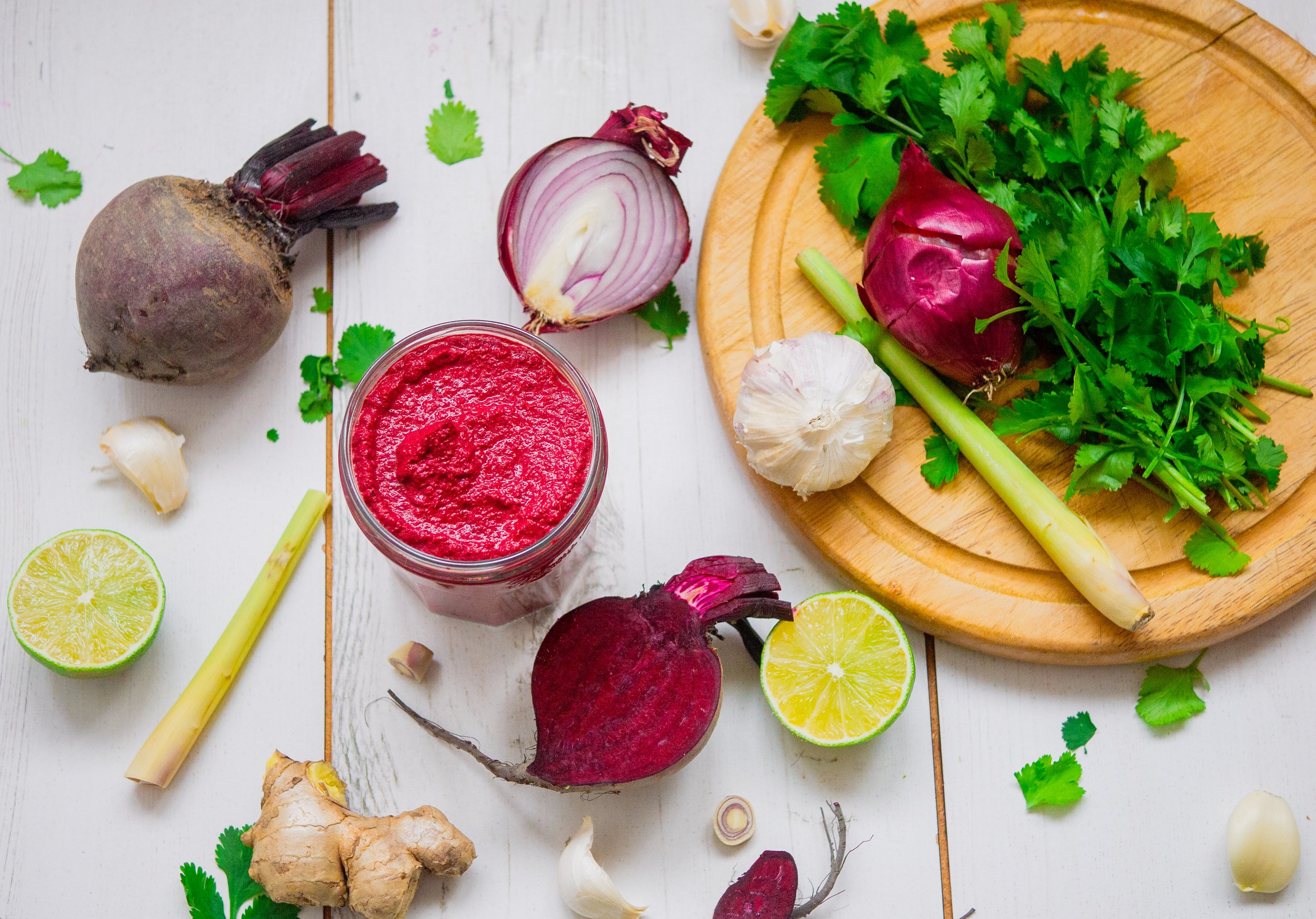
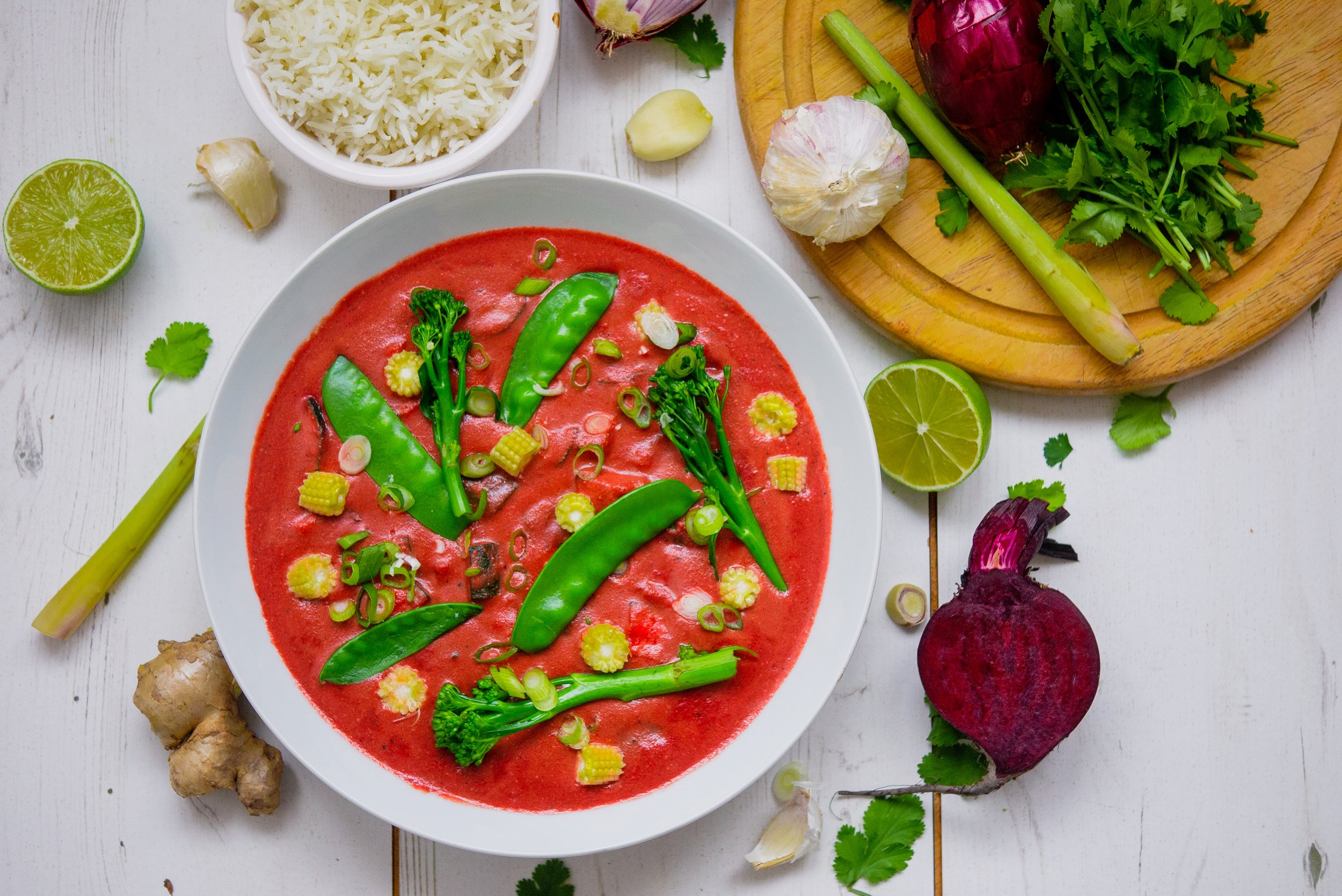
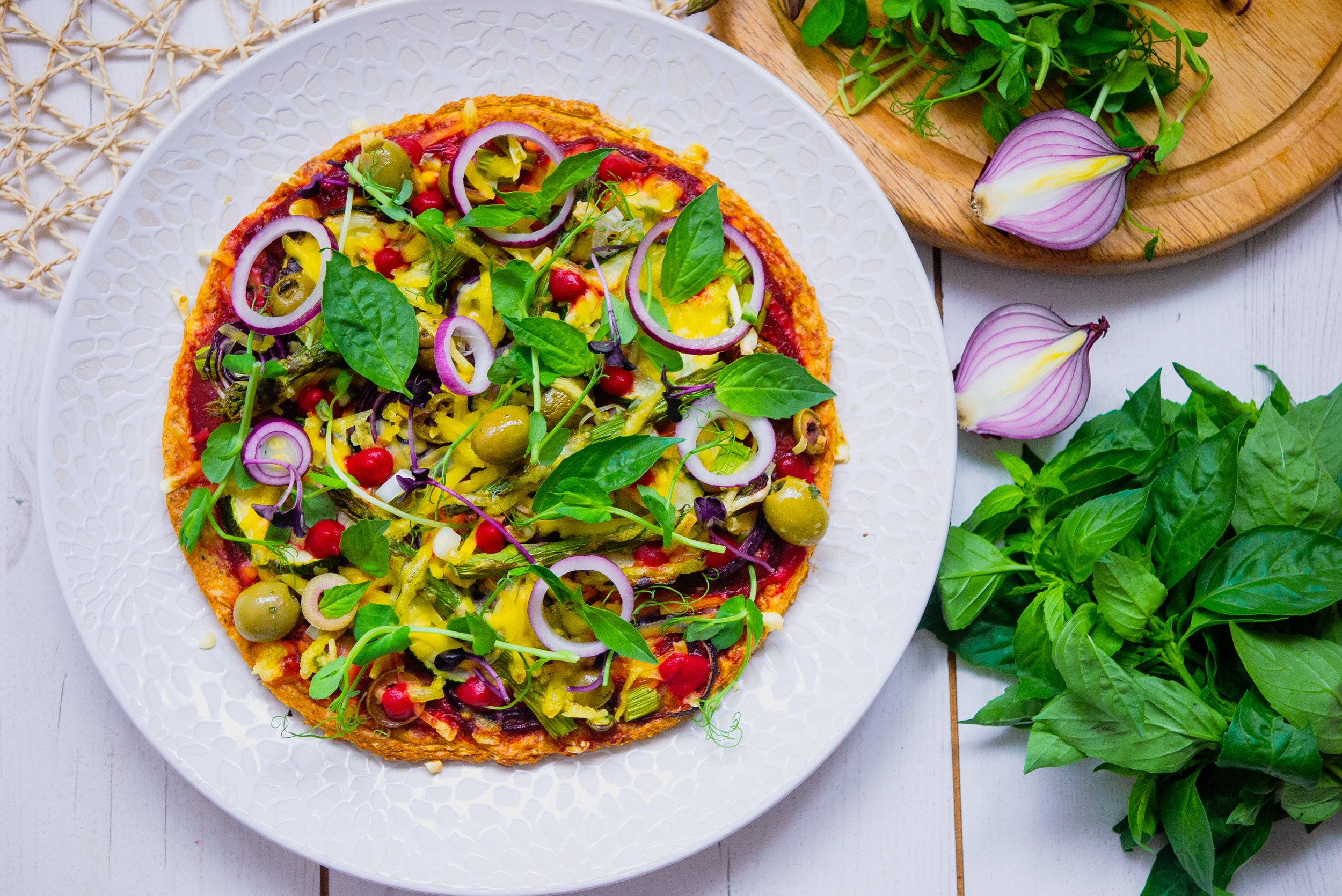
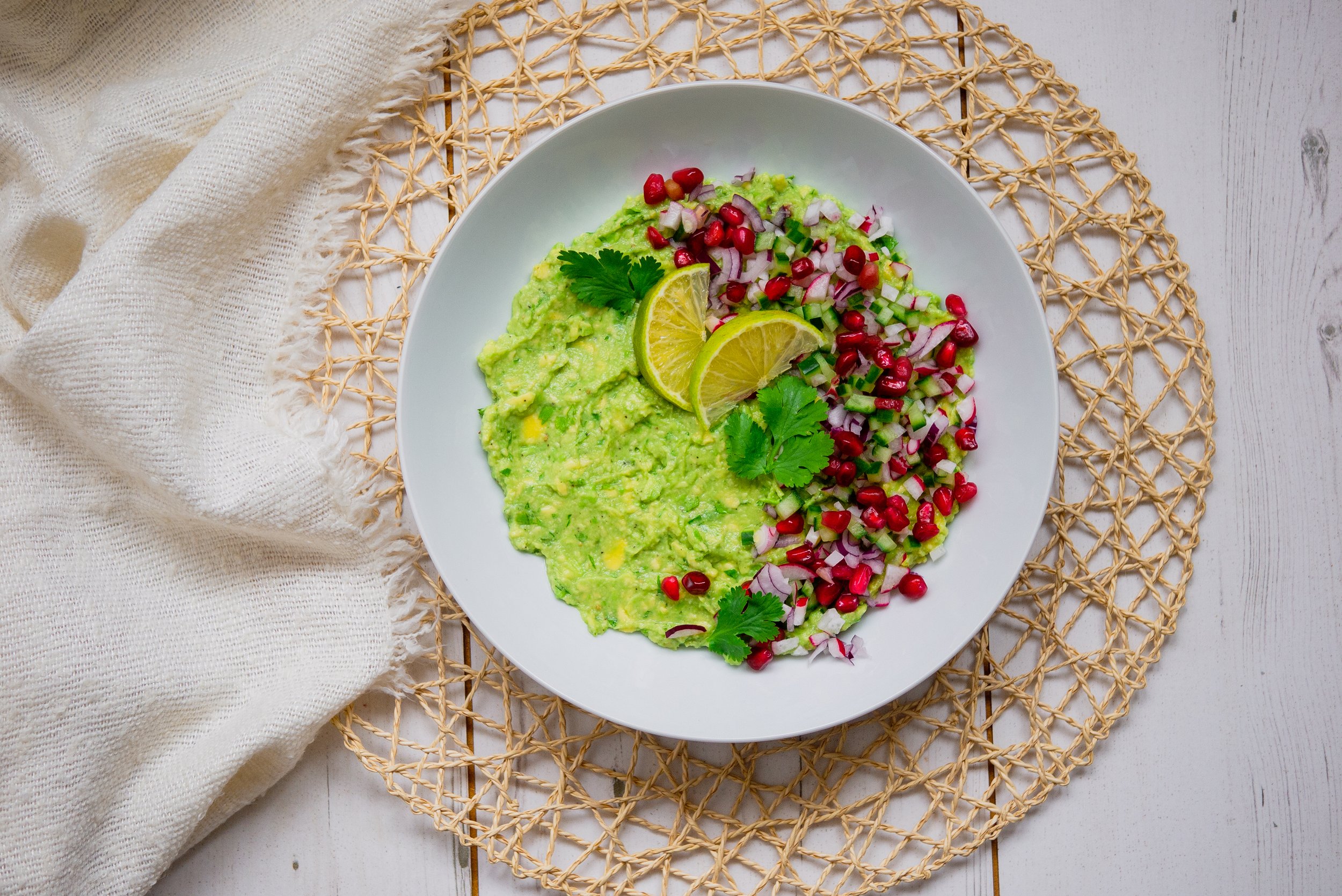
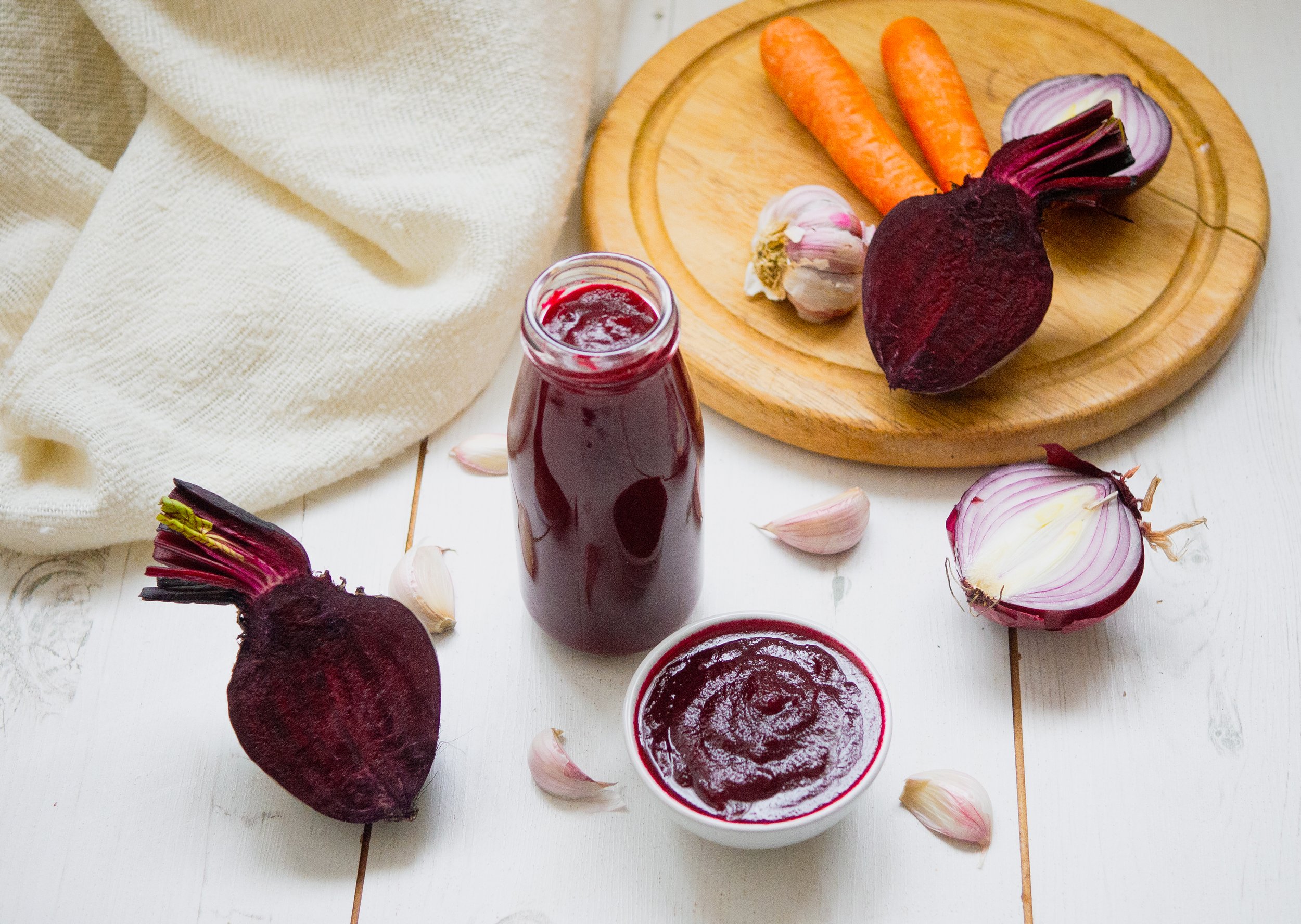
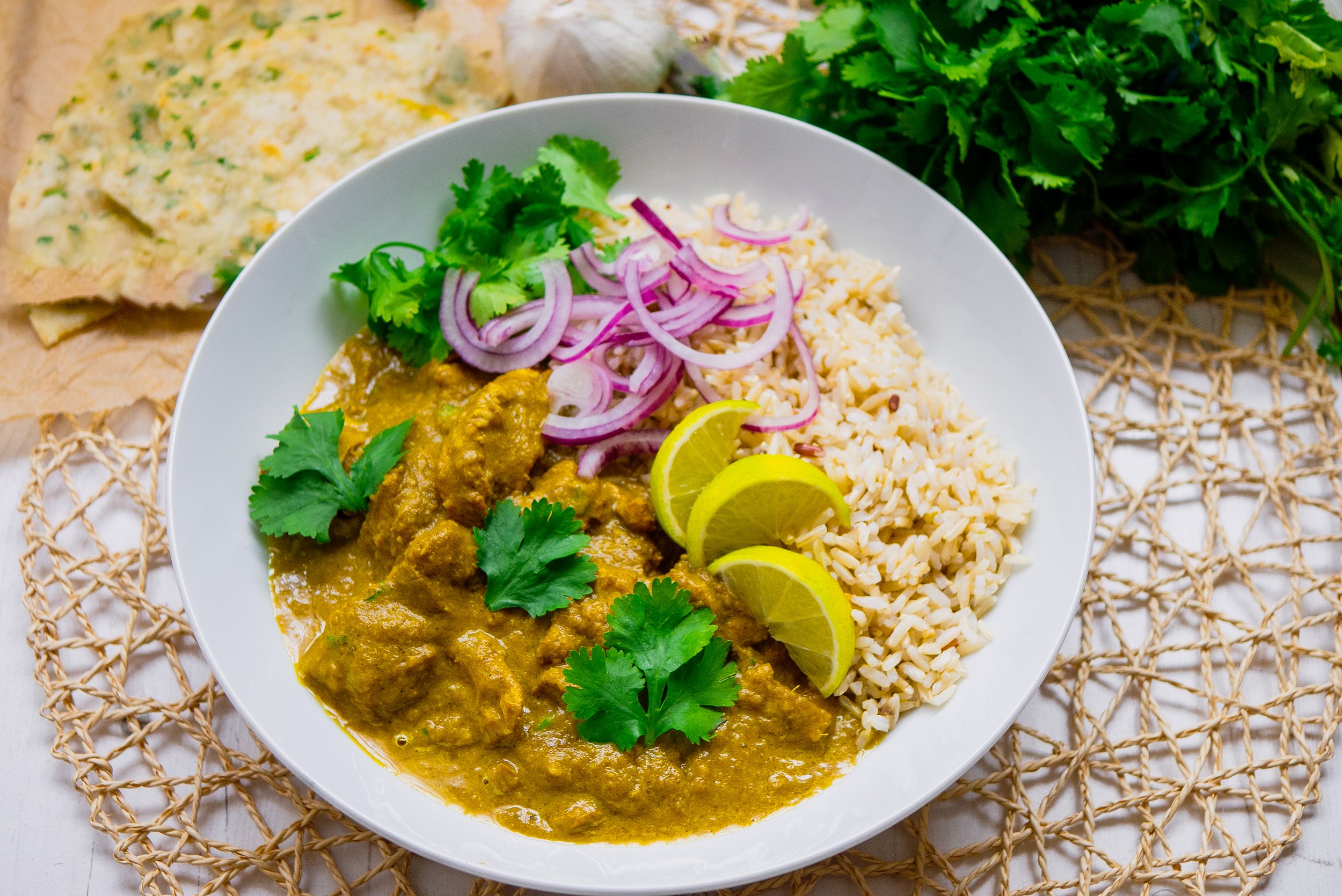
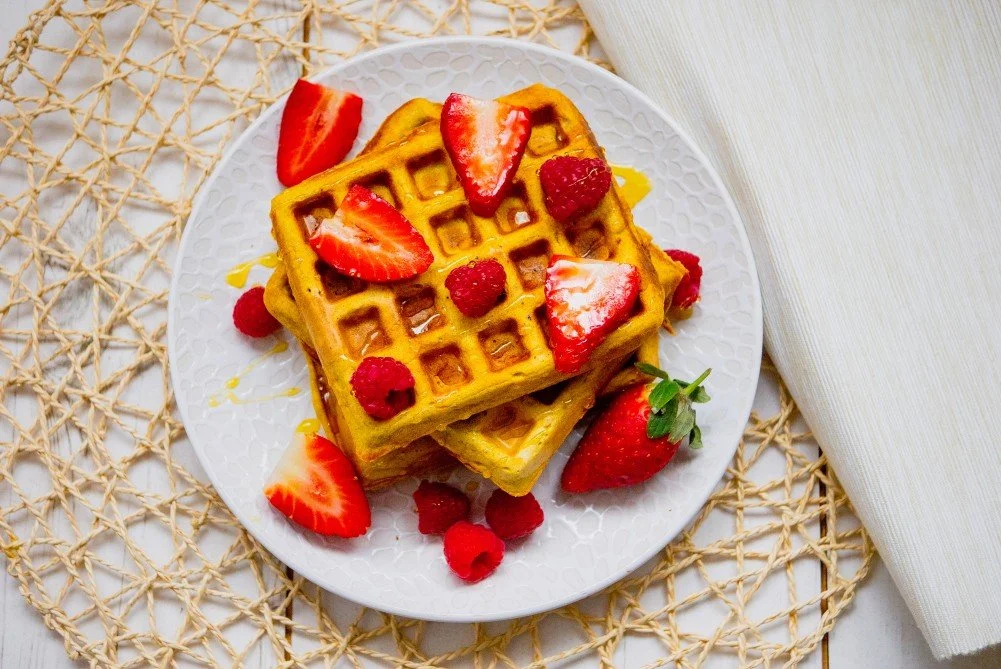
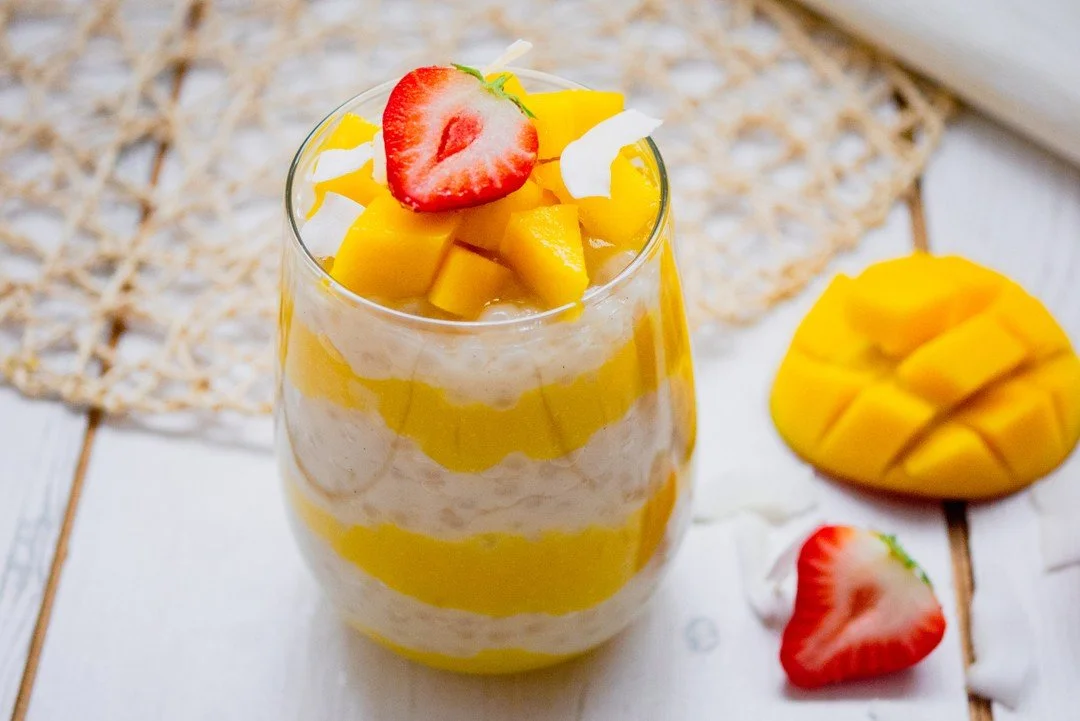
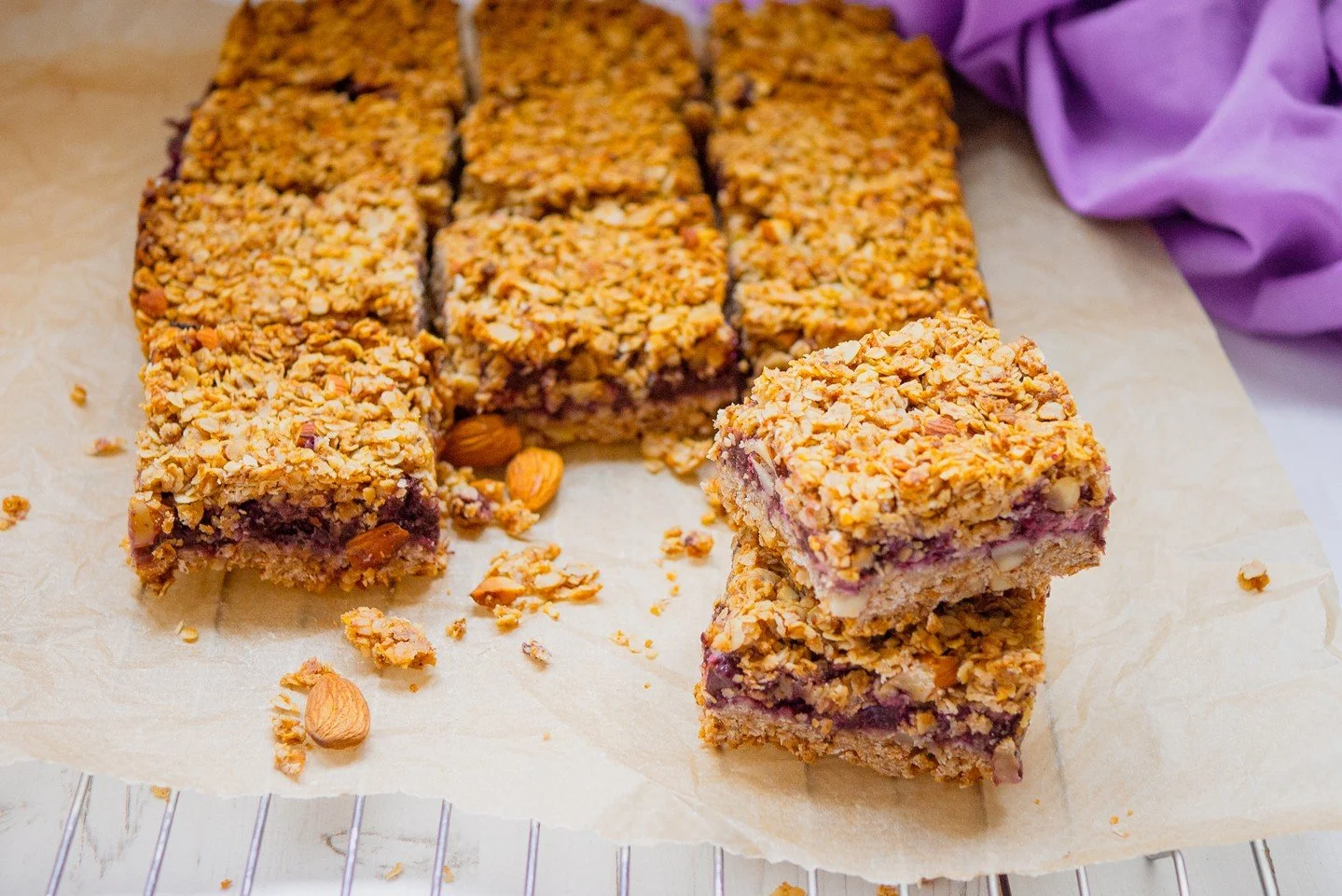
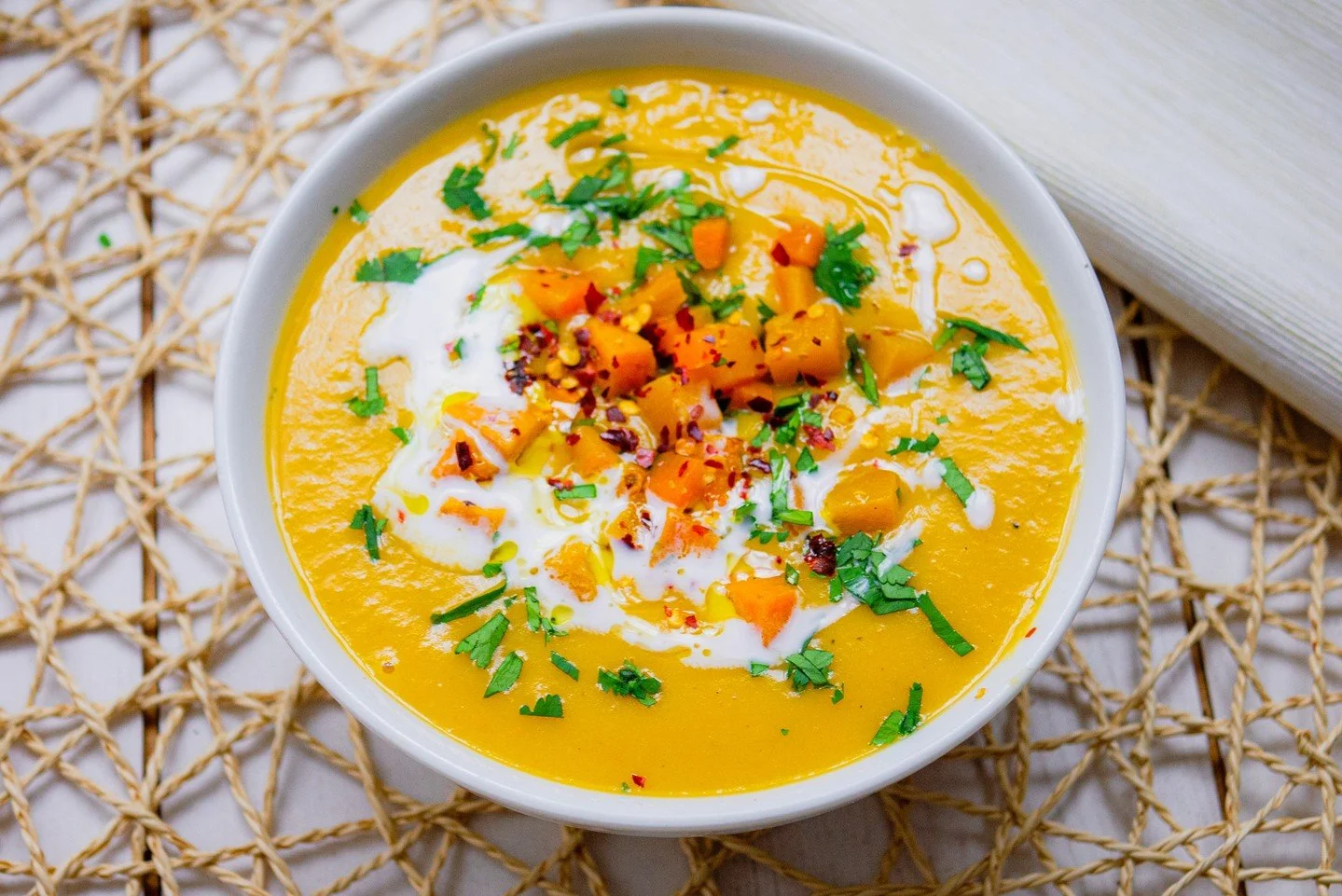
One of the keys to success on a nightshade-free diet is having a repertoire of delicious recipes that exclude nightshade ingredients. Click on the pictures to go straight to the recipes.
Fortunately, there are numerous resources available online where you can find nightshade-free recipes to suit your taste preferences.
Try these recipes here:
Check out my nightshade-free Pinterest board here:
Also, google AIP recipes they will contain no nightshades.
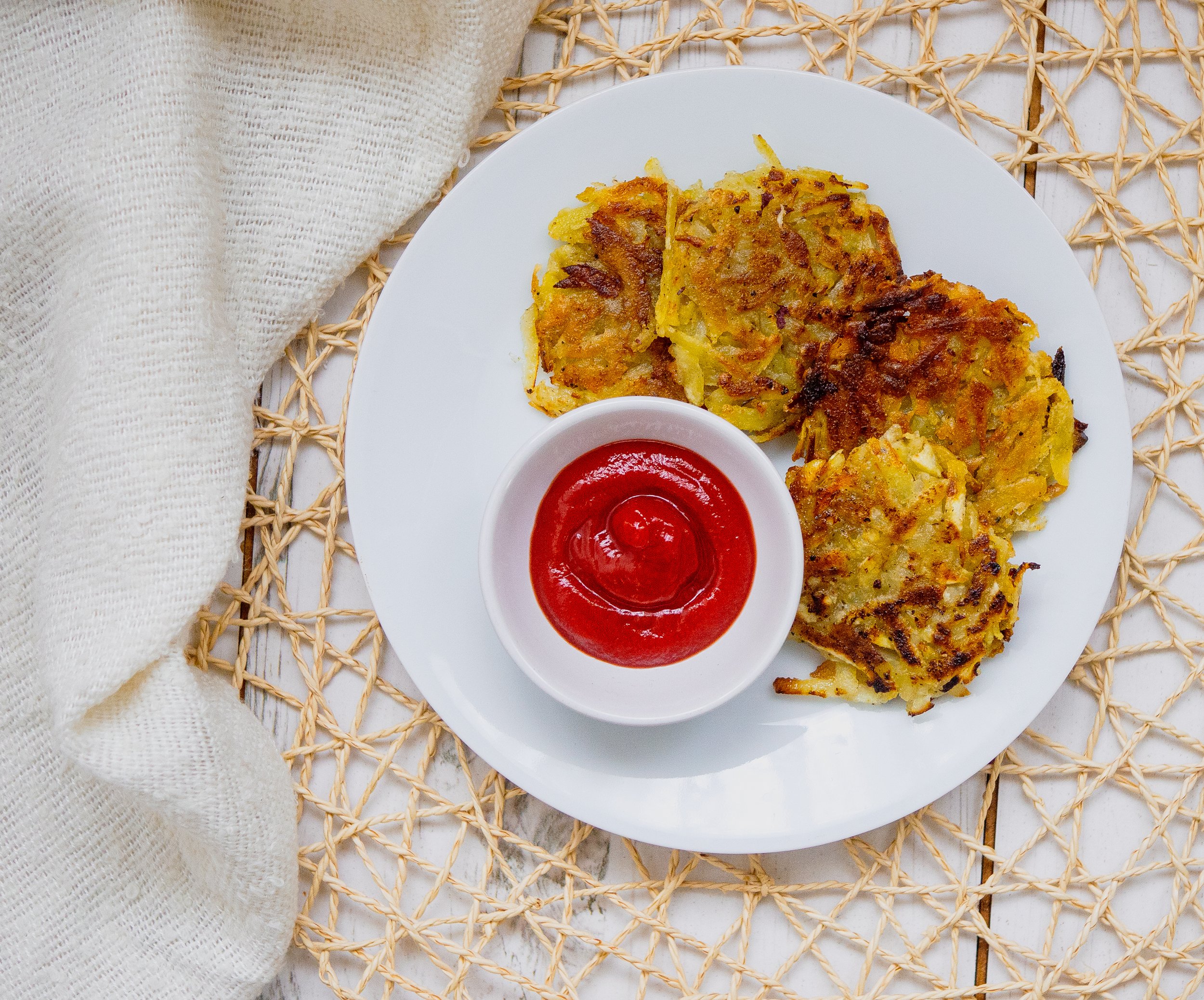
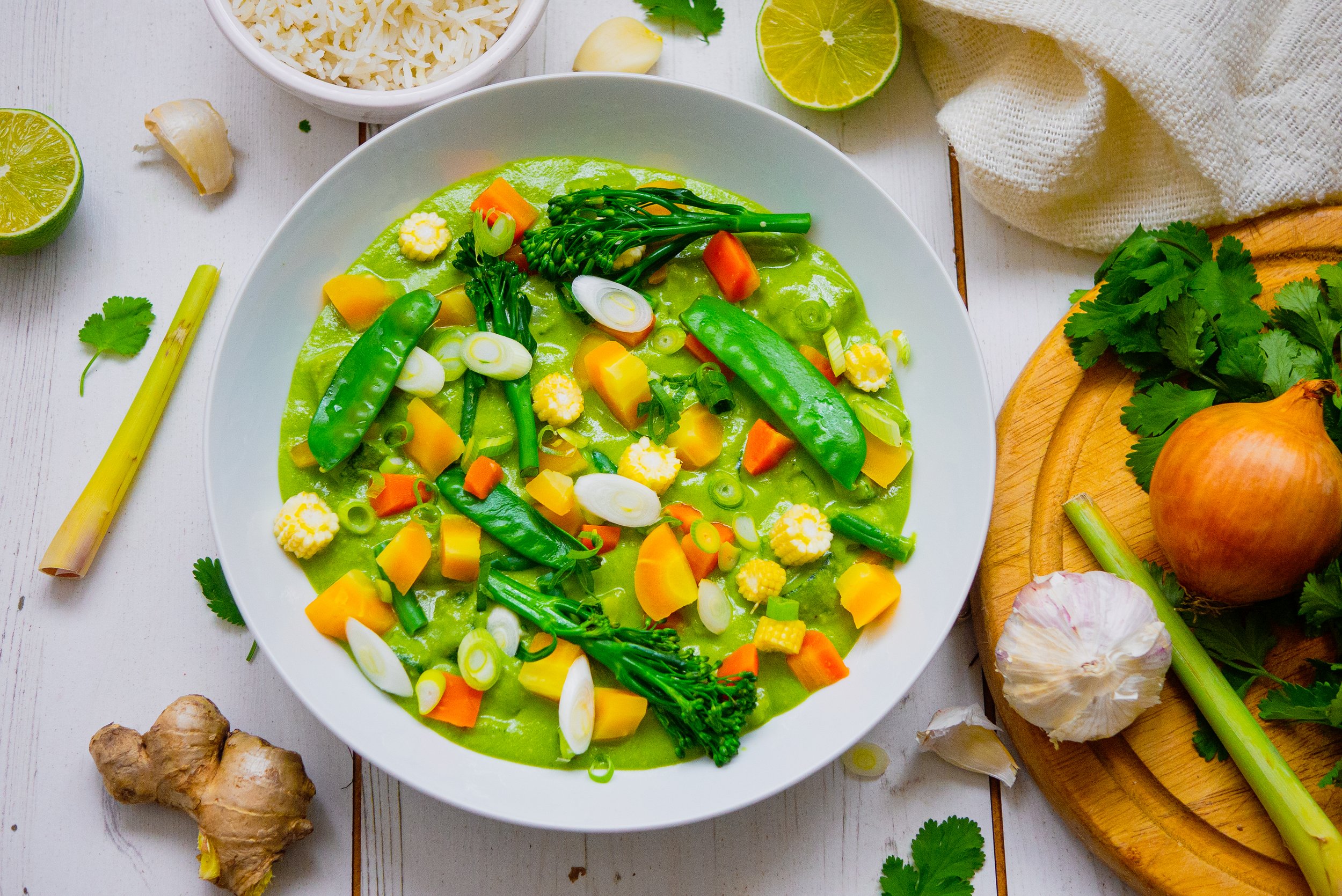
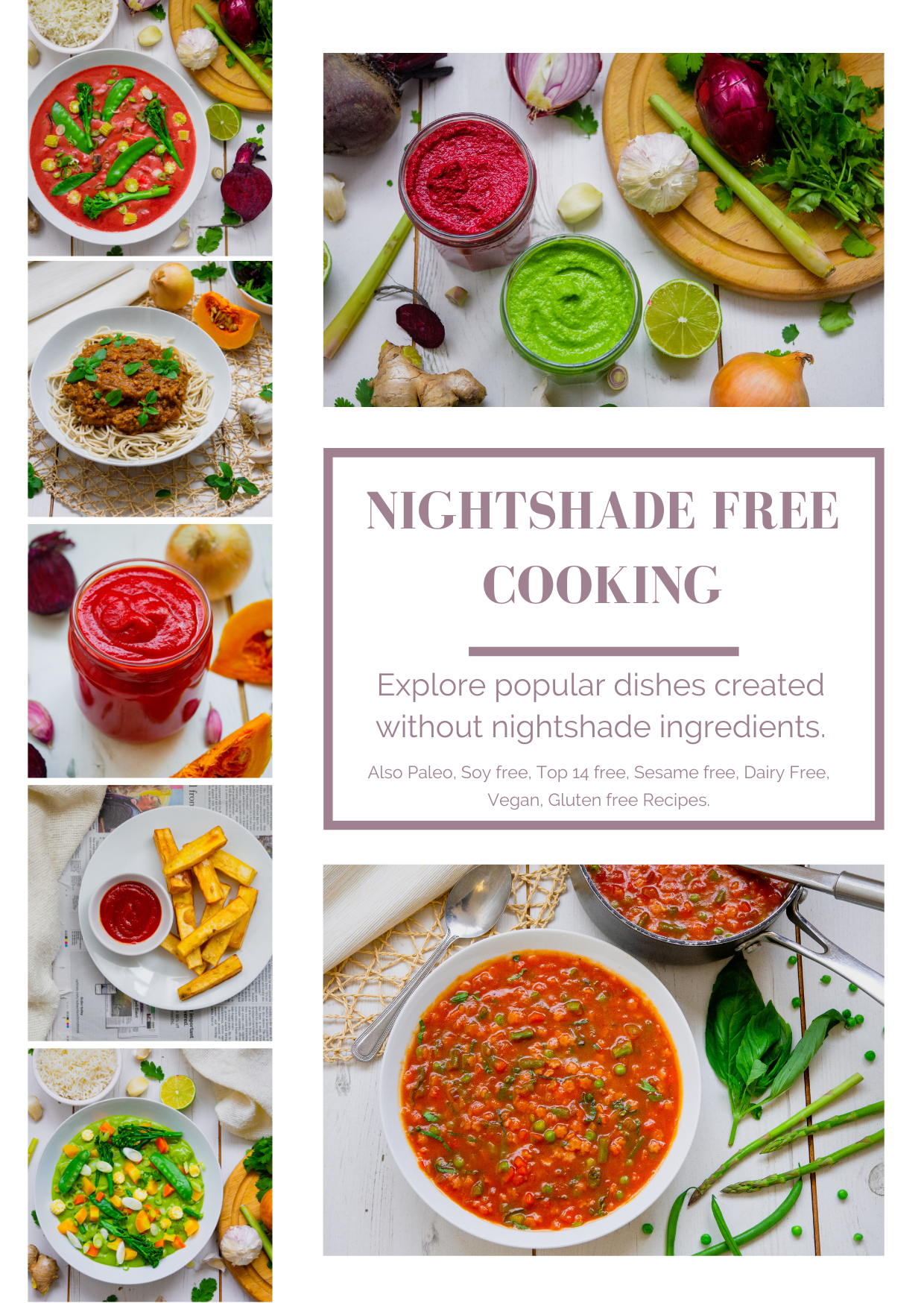
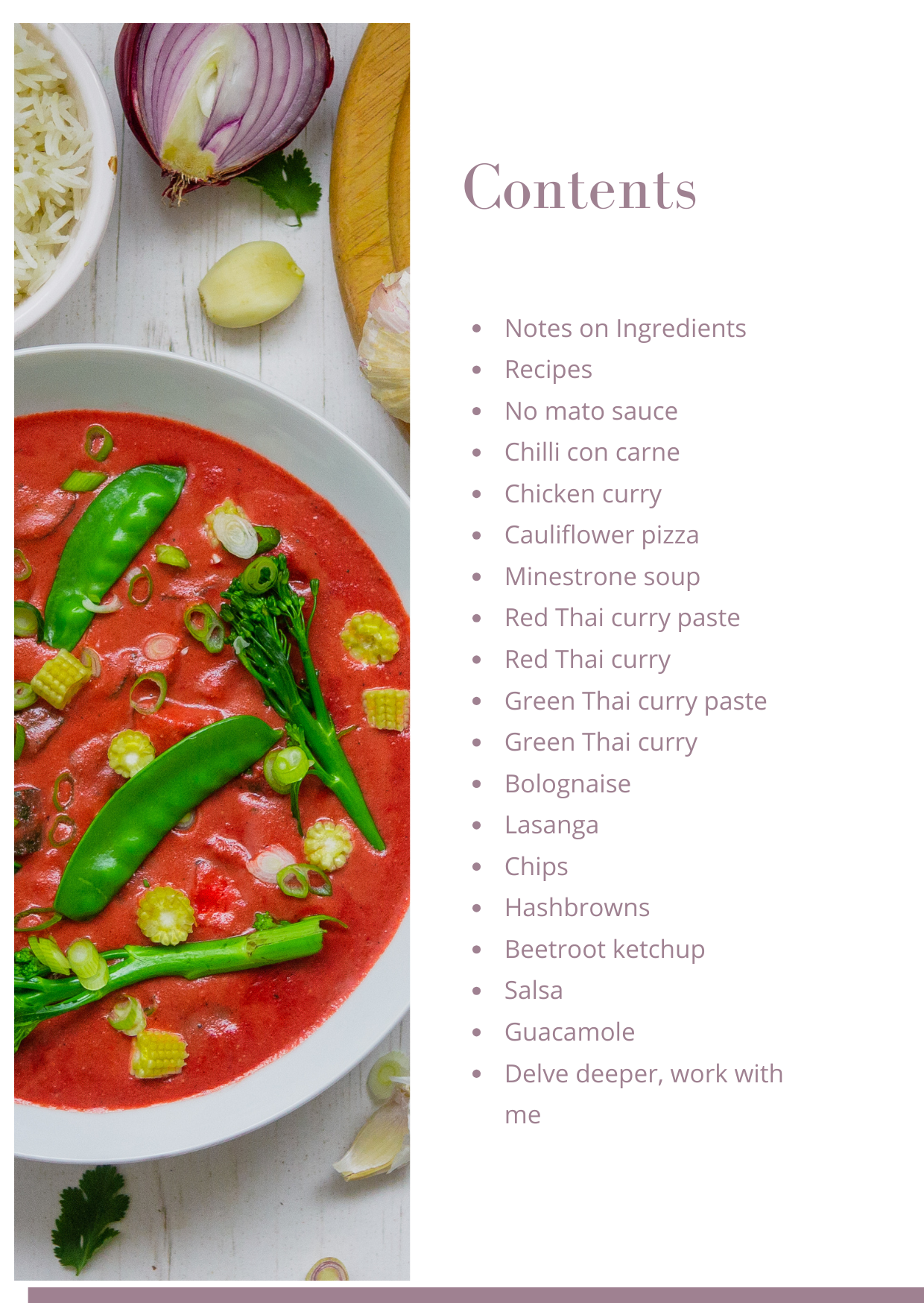
Please take a look at my Nightshade FREE cookbook here with all the recipes below and more. I created alternative versions of all our favourite dishes, but without nightshade vegetables. These recipes are suitable for the family as no one will tell the difference.

How to eat out on a nightshade free diet
Eating out or socialising with friends and family can be trickier when following a nightshade-free diet. However, with a little planning and communication, you can still enjoy meals away from home while adhering to your dietary needs.
Please don't hesitate to inform your server about your dietary restrictions and ask if the restaurant can accommodate your specific needs. Many establishments are willing to make ingredient substitutions or customise dishes to suit your requirements.
Consider bringing a nightshade-free dish to share if you're attending social gatherings or potluck events. Not only does this ensure you have something safe to eat, but it also introduces others to delicious nightshade-free options and raises awareness about dietary restrictions.
Remember to communicate openly with your friends and family about your dietary needs so they can support you in making suitable food choices during social engagements.
By following these tips, you can successfully navigate the challenges of a nightshade-free diet, enjoy delicious meals, and maintain a healthy lifestyle.
If you’re following a nightshade-free diet, you might want to be cautious with cuisines that frequently use nightshade vegetables and spices. Here are some examples:
Mexican Cuisine: This cuisine often uses tomatoes, tomatillos, and a variety of peppers (like jalapenos and bell peppers) in its dishes. Chilli powder, cayenne powder, and paprika are also common in Mexican seasonings.
Indian Cuisine: Many Indian dishes utilise spices such as curry powder, chilli powder, and cayenne powder, all of which are nightshades. Some dishes also include aubergine.
Italian Cuisine: Tomatoes are a staple in many Italian dishes, including pasta sauces and pizza.
Spanish Cuisine: Spanish cuisine often includes peppers and paprika.
Thai Cuisine: Thai food often features chilli peppers, as well as red and green peppers in Thai red and green curries, and aubergine.
Remember, it’s not about completely avoiding these cuisines but being aware of the ingredients used in certain dishes. Many restaurants can accommodate dietary restrictions if you inform them beforehand.
I've created a cookbook with easy recipes that you can make at home so that you won’t miss your favourite dishes. My recipes can replace any nightshade-laden dish, and I've made it easy for you by eliminating the hassle of researching and experimenting. Click here to take a sneak peek.
Frequently Asked Questions About a Nightshade-Free Diet
What foods count as nightshades?
Nightshades are plants in the Solanaceae family. Common examples include tomatoes, potatoes, peppers, aubergine, tomatillos, goji berries, and tobacco. The article also flags paprika, cayenne, chilli powder, and some spice blends as ingredients to check.
How long should a nightshade elimination diet last?
A short elimination phase usually lasts 2 to 4 weeks. That gives enough time to see whether symptoms change before you reintroduce one food at a time. A food and symptom diary makes the pattern easier to spot.
What can you eat instead of potatoes and tomatoes?
Sweet potatoes are a straightforward swap for potatoes. The article also suggests cauliflower, cassava, polenta, zucchini, butternut squash, broccoli, beetroot, radishes, celery, cucumber, carrots, and pomegranates.
Do nightshades cause inflammation?
The evidence is mixed, and the article notes that mouse studies do not always translate to humans. Some people do report fewer symptoms after removing nightshades, especially when they track reactions carefully. A GP or registered dietitian can help if symptoms are severe or the diet feels too restrictive.
Final Thoughts
A nightshade-free diet isn’t about restriction; it’s about understanding your body and giving it the support it needs to thrive. As you’ve seen throughout this guide, nightshade vegetables can be a hidden trigger for symptoms like inflammation, joint pain, digestive issues, and skin flare-ups in some individuals.
By removing these foods and paying attention to how your body responds, you can start to uncover what truly works for you. Whether you decide to eliminate nightshades long-term or simply reduce them, the key is awareness, balance, and consistency.
Remember, this journey doesn’t have to feel overwhelming. With the right swaps, simple recipes, and a bit of planning, you can still enjoy flavourful, satisfying meals, without feeling restricted.
If you’re just getting started, take it one step at a time. Begin with small changes, track your symptoms, and build a way of eating that supports your health and lifestyle.
And most importantly, listen to your body. It always knows what it needs.
If you are looking for more help and have other intolerances and are unsure of what to eat or are newly diagnosed with an intolerance, take a look at my 121 consultations. A personalised one-to-one consultation offering clarity and reassurance around intolerances and free-from foods, what to eat, and what are the best swaps so you can move forward feeling confident. Click here for more information and how to book a consultation.
References
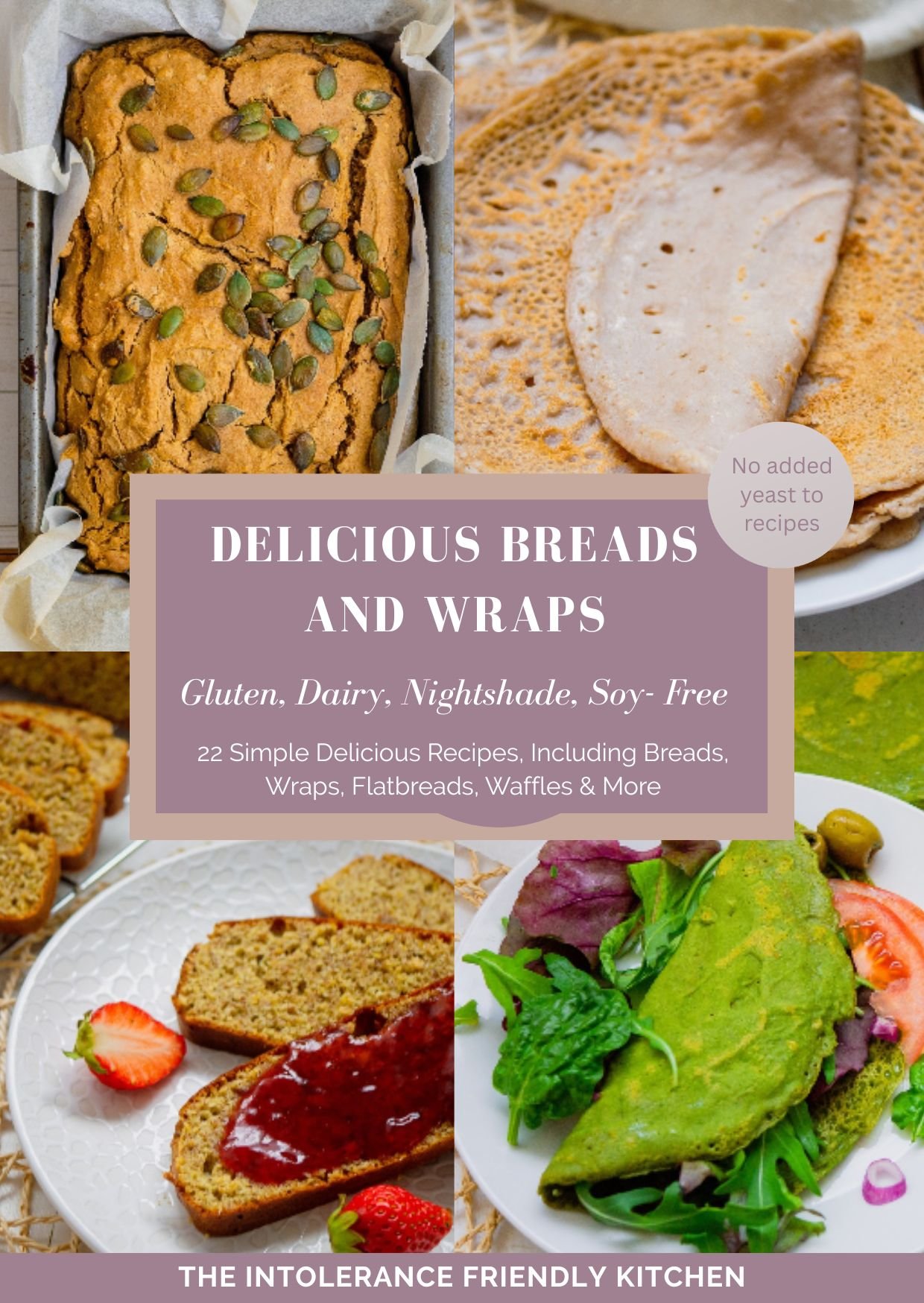
You may also find these Ebooks useful

Remember, it is crucial to consult with a healthcare professional or a registered dietitian before making any significant dietary changes. They can provide personalised guidance and meet your nutritional needs while avoiding nightshade vegetables.
It is important to note that the information provided in this article is for educational, communication, and informational purposes only. It is not intended to replace or constitute medical advice or treatments. Please note that I am not a doctor, nutritionist or allergist. As such, it is always advisable to consult with a healthcare practitioner before embarking on a new diet or health regime.
You might also like:

Looking for anything?
Browse all Articles
Latest Articles
Latest Recipes
Follow along 0n Instagram

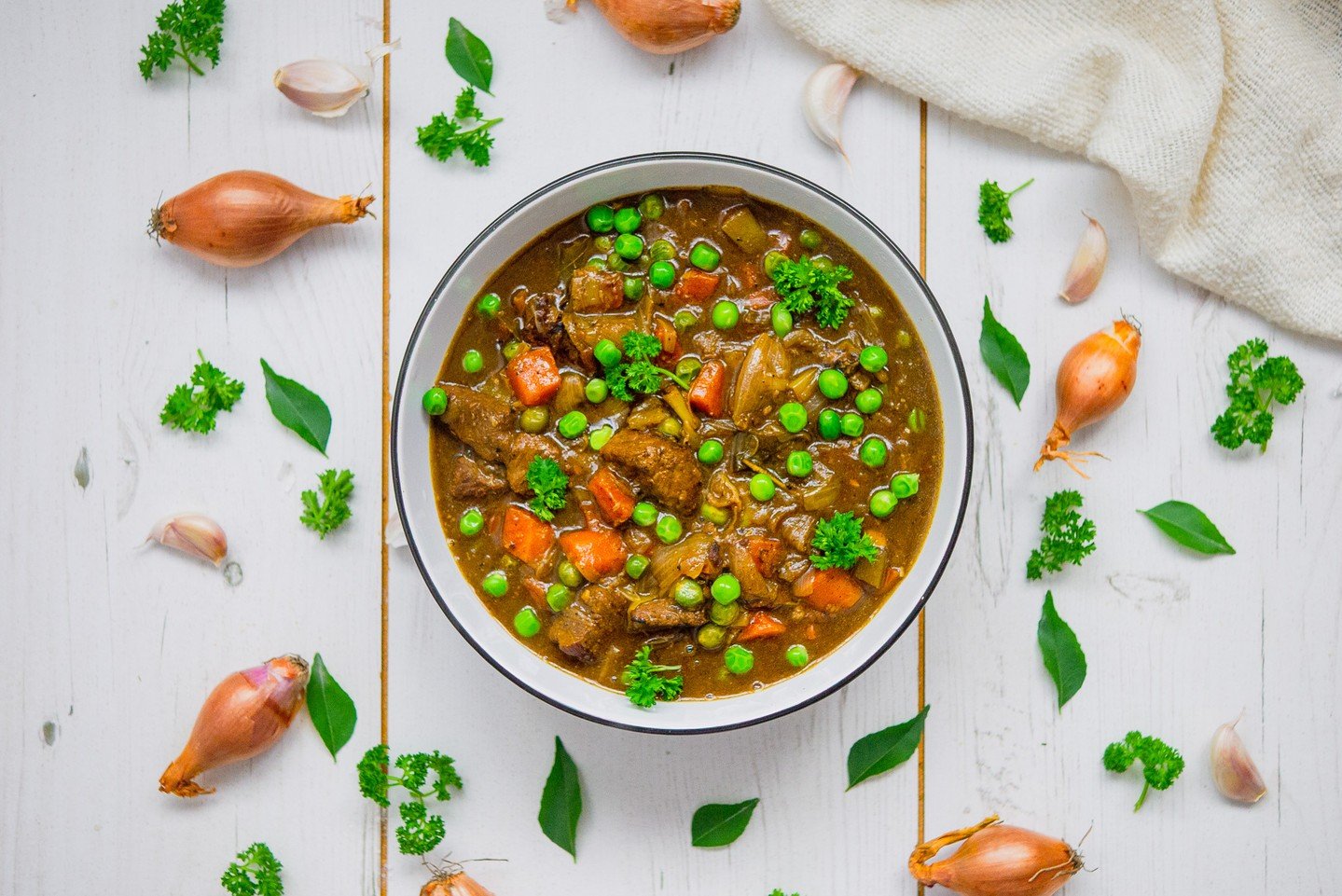
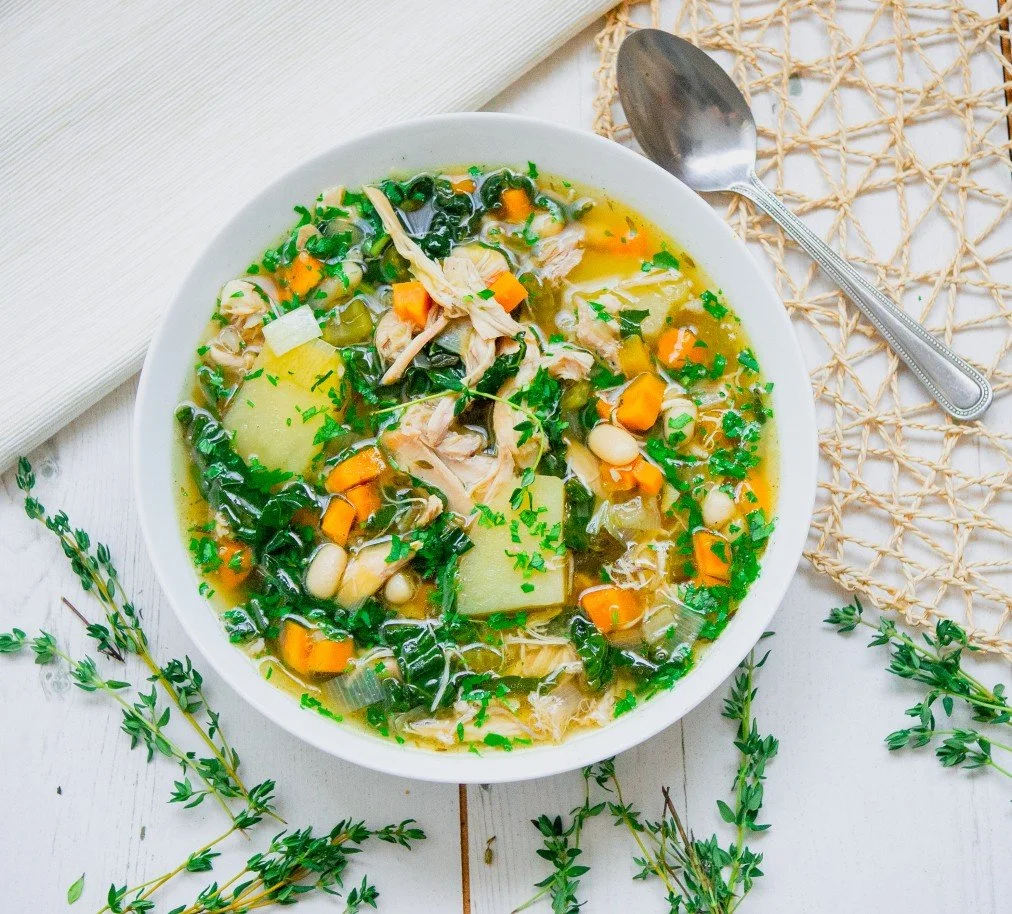

Discover anti-inflammatory recipes that are nightshade free and full of flavour, with easy meals, fresh ingredients and bold, satisfying taste.