A Beginner’s Guide To A Yeast Free Diet With Recipes
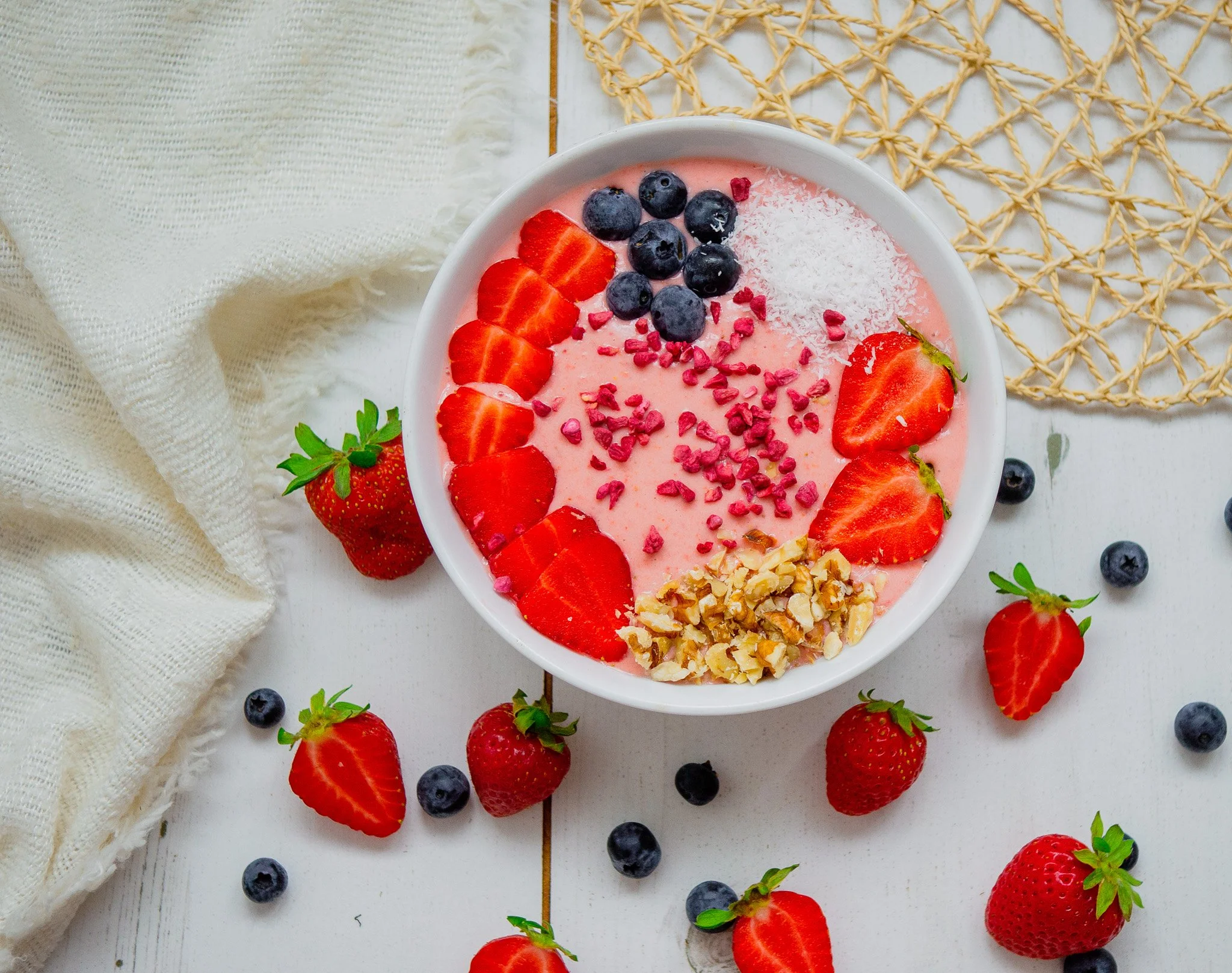
A yeast-free diet involves avoiding foods that contain yeast and reducing certain foods that some people find may worsen their symptoms, while focusing on naturally yeast-free whole foods and suitable alternatives.
This complete guide provides everything you need to start a yeast-free diet with confidence, including foods to avoid, suitable alternatives, free downloadable PDFs, recipes, websites, Facebook groups, and Pinterest boards for additional support and inspiration.
Starting a new elimination diet can feel overwhelming, but you do not have to navigate it alone. The resources within this guide are designed to provide information, practical tips, and a supportive community to make your transition easier and less stressful.
For some individuals, following a yeast-free diet may be part of managing personal health concerns such as recurrent yeast infections, digestive symptoms, or a self-identified sensitivity to yeast. My own journey with yeast intolerance began over 12 years ago, with symptoms including brain fog, itchy skin, post-nasal drip, bloating, and diarrhoea, which I found were triggered by foods high in sugar and certain carbohydrates.
Through years of personal experience, trial and error, and extensive research, I discovered that a yeast-free, sugar-free, lower-carbohydrate approach worked best for me. This guide is a culmination of everything I have learned, bringing together the resources, recipes, and practical advice that helped me simplify my own journey towards better health.
My goal is to help you feel more confident and less overwhelmed as you explore whether a yeast-free lifestyle is right for you.
Key Takeaways
A yeast-free diet removes common yeast sources and fermentation-heavy foods, including bread, beer, vinegar-based condiments, fermented foods, and some processed items.
The diet is built around fresh protein, eggs, fish, non-starchy vegetables, healthy fats, and, if tolerated, lower-sugar fruit and selected grains.
Yeast intolerance can cause digestive, skin, and fatigue symptoms, but a true yeast allergy is different and can be serious.
An elimination diet, combined with symptom tracking, is the clearest way to test whether yeast is a trigger.
This article is for educational purposes only and should not be taken as medical advice. I am not a healthcare provider. If you have food allergies, intolerances, or experience any symptoms, please consult a qualified healthcare professional or allergist for proper guidance and support.
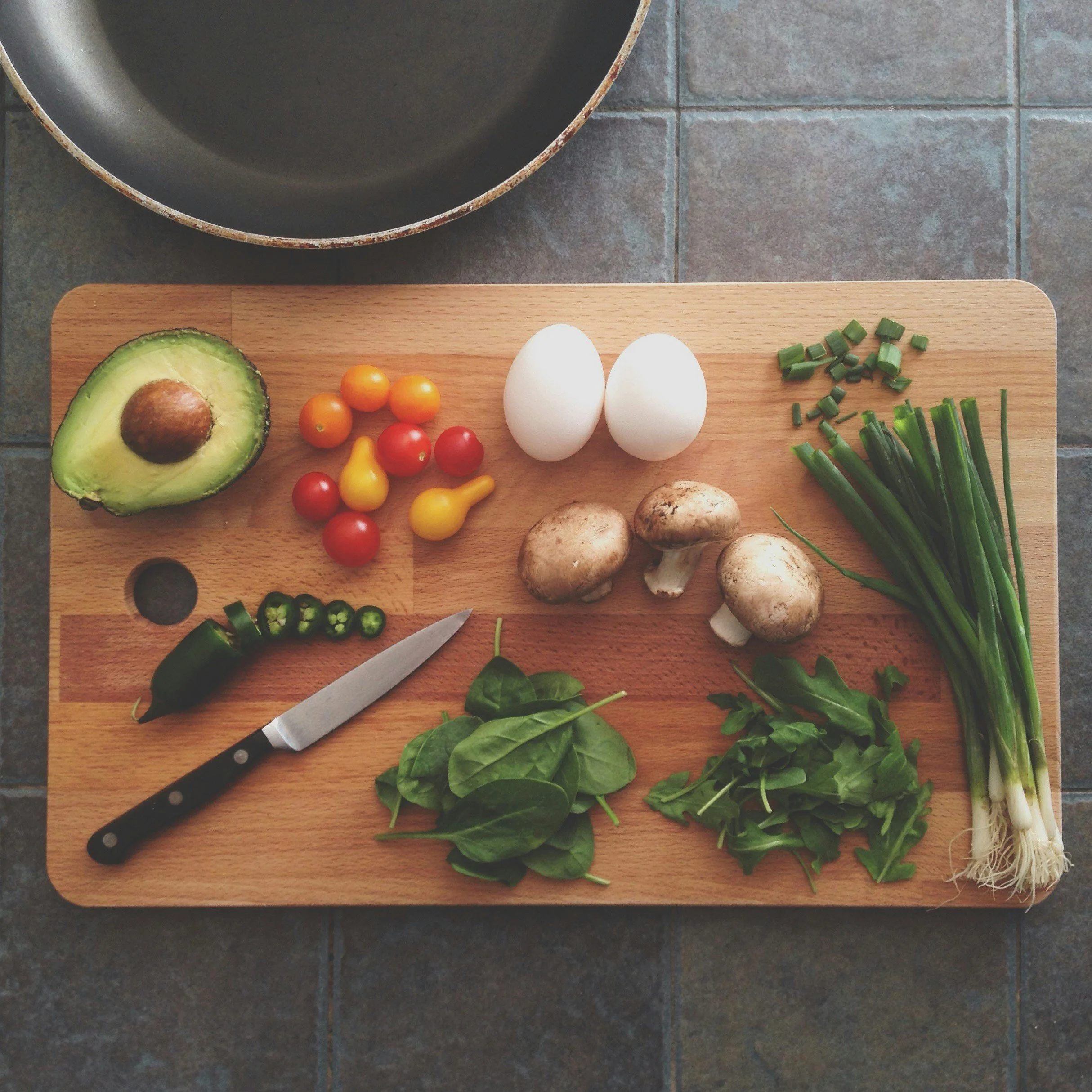
What is Candida?
Understanding the role of Candida albicans, a type of yeast that naturally resides in your body, can be empowering. It's typically kept in check by 'friendly' bacteria, but if this balance is disrupted, Candida can overgrow, leading to various health issues. By gaining this knowledge, you can take control of your health and make informed decisions about your diet and lifestyle. Read more about Candida here.
What are Candida's signs and symptoms?
Vaginal candidiasis: Itching, soreness, and discharge
Candidiasis in the mouth and throat (thrush): White patches, redness or soreness, cotton-like feeling in the mouth, loss of taste, pain while eating or swallowing, and cracking and redness at the corners of the mouth
Candidiasis in the esophagus: Pain and difficulty swallowing
Invasive candidiasis: Fever and chills are common
Skin infection: Intense itching, red, growing skin rash, infection of the hair follicles that may look like pimples
Cognitive impairment: Difficulty concentrating, trouble retaining information, thinking clearly, poor memory retention or formation, and “brain fog”
Antifungal medications, either oral or topical, can treat Candida infections.
For more information on Candida please take a look at this link for more information by the Cleveland clinic
What is Yeast Intolerance?
Do you ever feel bloated or tired after eating bread or drinking beer? You might be dealing with yeast intolerance like me. This increasingly recognised condition, affecting many people worldwide, occurs when the body reacts negatively to the yeast used in many common foods and drinks. Yeast intolerance can lead to various uncomfortable symptoms from:
Digestive issues like diarrhoea, bloating, and flatulence ( I suffer really badly if I eat any yeast products or foods that create yeast in the body like sugar, carbs and starchy foods)
Fatigue
Skin rashes and itching: Some people with yeast intolerance find that their eczema flares up after eating yeast containing foods
Mood swings
Excessive cravings for sugary foods
Bad breath
Stomach cramps
Irritability
Respiratory problems like nasal congestion could signal an intolerance.
Some individuals may also experience breathing difficulties.
Yeast intolerance can even affect the brain, leading to neurological symptoms. These may include,
Headaches- Frequent, unexplained headaches
Dizziness - Feeling lightheaded or off balance is another potential symptom.
Brain Fog - Difficulty concentrating or a sense of mental sluggishness can occur.
If you're dealing with persistent digestive issues, it could be a sign that yeast is the culprit. These symptoms can make daily life quite challenging. Read more about food intolerances from the NHS here.
What is the difference between a yeast allergy and a yeast intolerance?
While yeast intolerance symptoms may cause discomfort, pain and unpleasant sensations, a yeast allergy can actually cause a life-threatening reaction. True allergies can cause the body to go into anaphylaxis when the immune system reacts to a trigger.
People with yeast intolerance struggle to digest yeast or find that their digestive system is irritated by foods containing yeast. With a yeast allergy, the immune system generates an allergic reaction – for example, by releasing histamines into the body – as it identifies yeast as an invader. If you suspect you have an allergy, visiting your GP as soon as possible is important. For yeast intolerance and V allergy, read more here.
A true yeast allergy is surprisingly rare and may, in fact, result from hypersensitivity to specific proteins in things like beer and wine rather than yeast itself. However, sensitivity to yeast can be a factor in irritable bowel syndrome (IBS).
Yeast Free Elimination Diet
An elimination diet is another effective method to diagnose yeast intolerance. Here's how it works:
1. Remove Yeast-Containing Foods: Start by eliminating foods like bread, alcohol, beer, and sweets, which contain yeast, from your diet. Download my printable pdfhere.
2. Monitor Symptoms: Pay close attention to any changes in your symptoms. Keep a journal to track what you eat and how you feel.
3. Reintroduce Yeast Slowly: After a specified period (usually 2-4 weeks), gradually reintroduce yeast-containing foods one at a time.
4. Observe Reactions: Note any symptoms reappearing once you reintroduce yeast. This will help identify if yeast is the offender.
Take a look at this link to York testing for intolerances, which includes more information on a yeast free diet. If you are looking to do a cleanse, read more here.
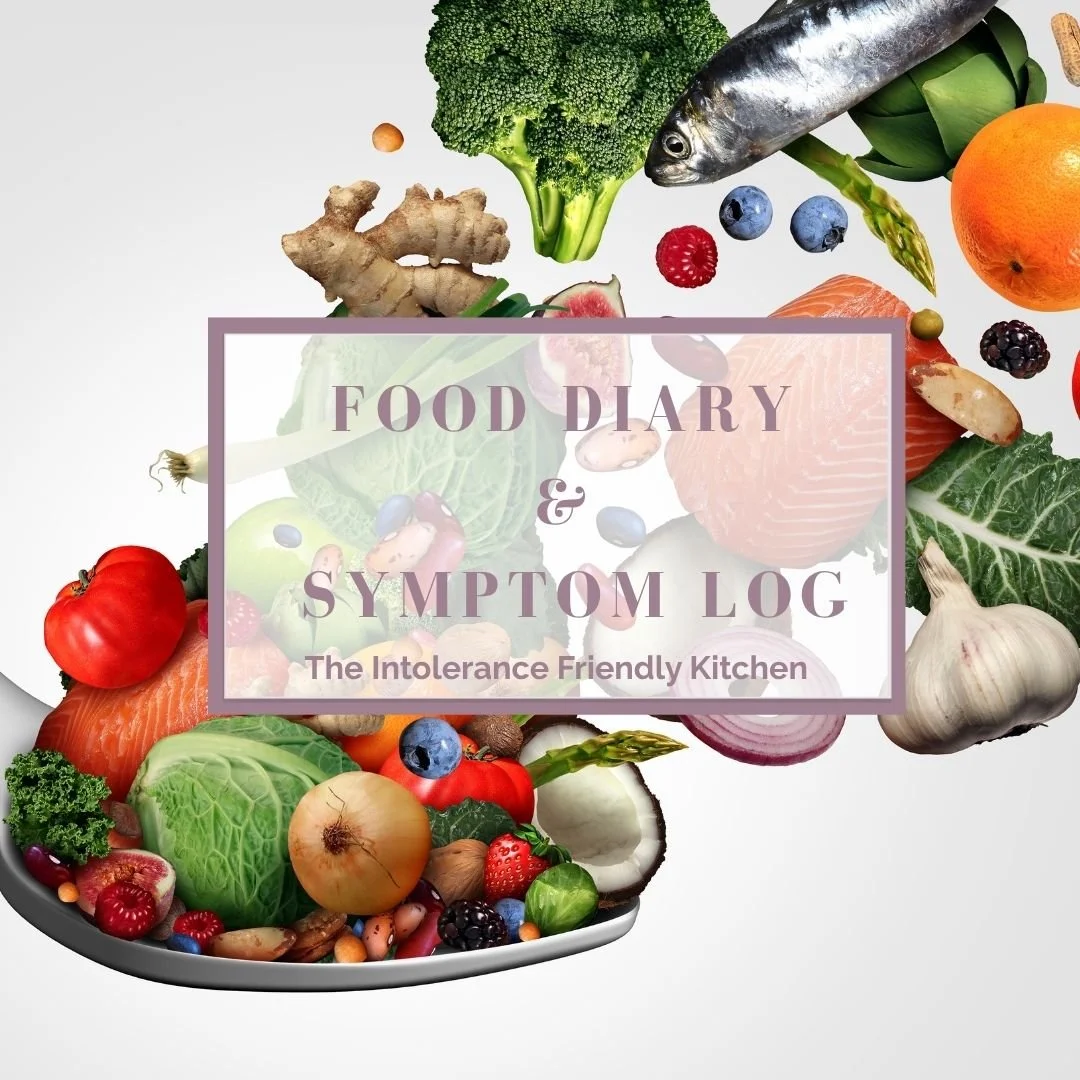
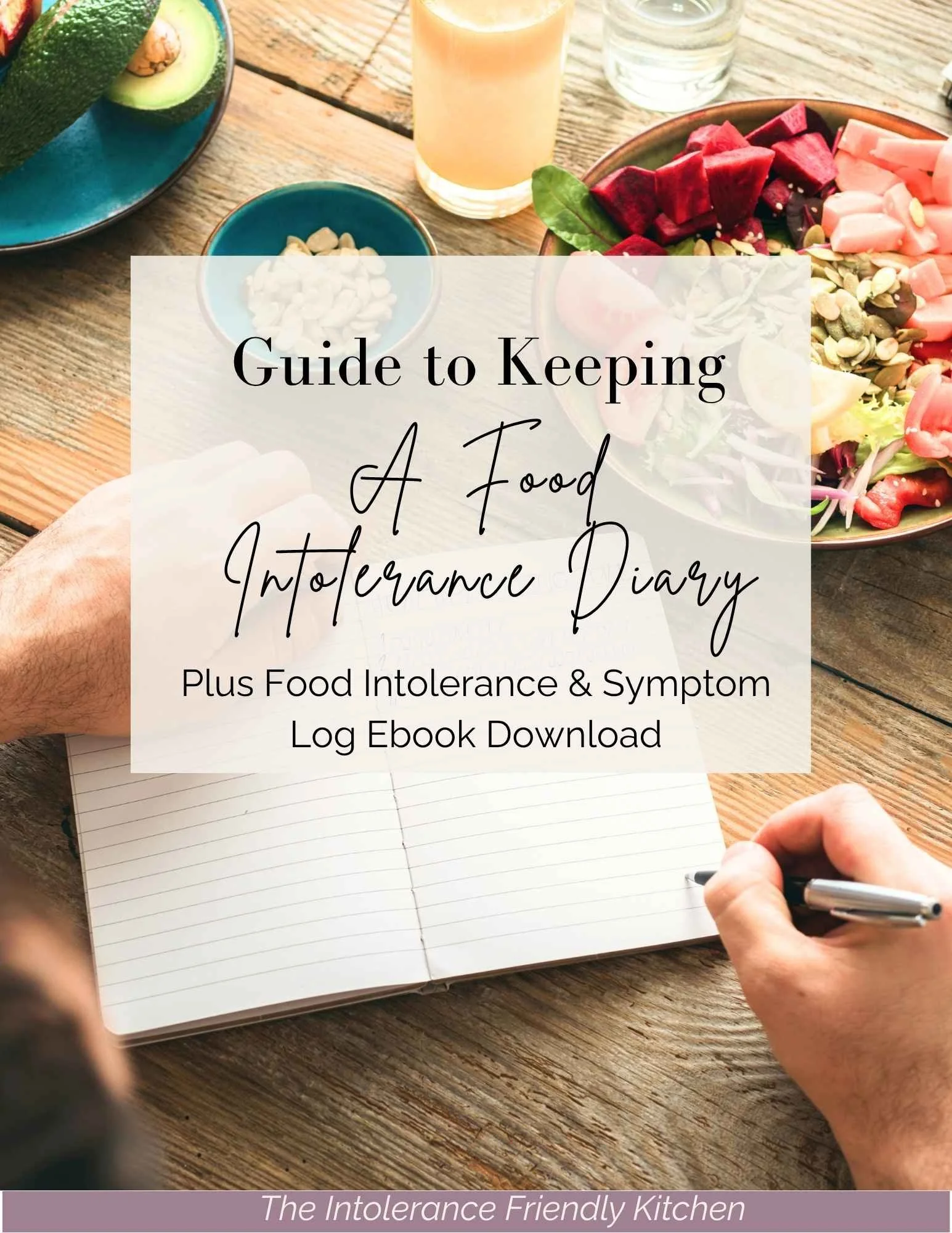
Download my food diary and symptom log, designed to make the elimination diet much simpler. Make meal tracking easy with a food intolerance diary designed for clarity and results. Map your foods, spot links, and help your body feel better.
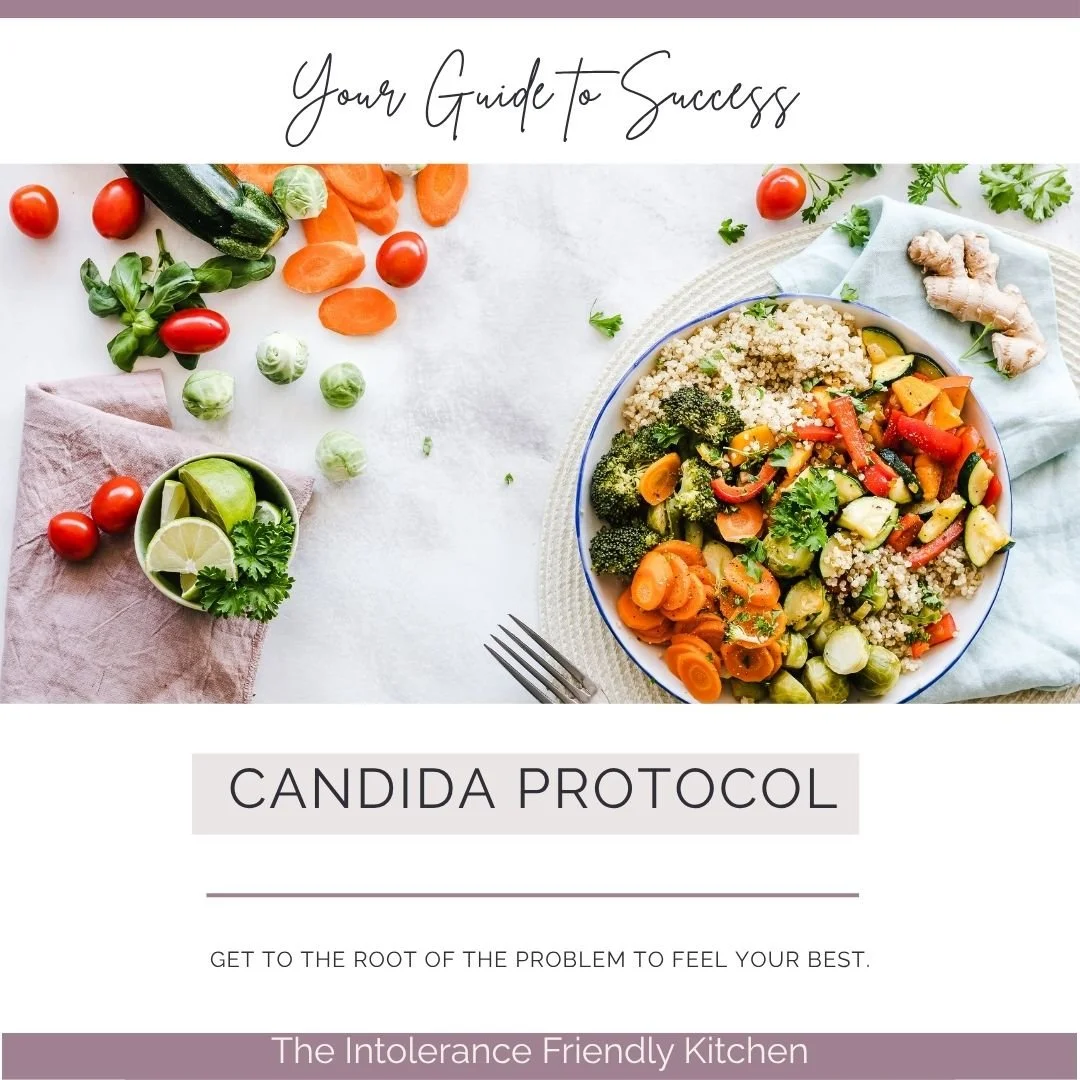
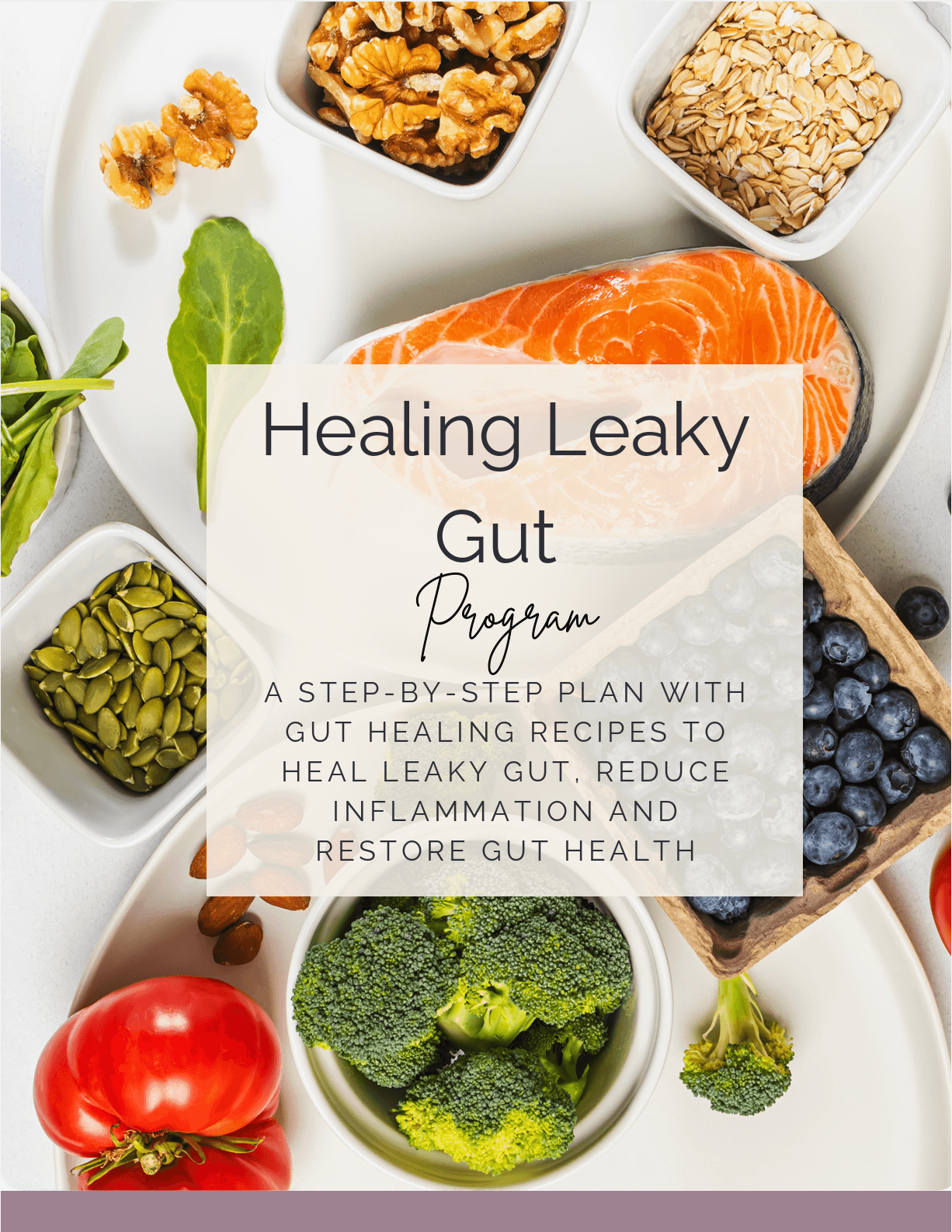
This comprehensive Candida Protocol is designed to help you gently restore balance in your gut through a structured, step-by-step approach.
Inside the guide, you’ll learn how candida overgrowth develops, what symptoms to look for, and how to address it through a three-phase protocol that supports detoxification, reduces yeast overgrowth, and helps rebuild a healthy gut microbiome. Written by myself and a nutritionist, so you know that the information is comprehensive.
The program includes clear food lists, meal ideas with over 40 recipes, detox strategies, and guidance on supportive nutrients to help your body eliminate toxins, reduce inflammation, and restore beneficial gut bacteria.
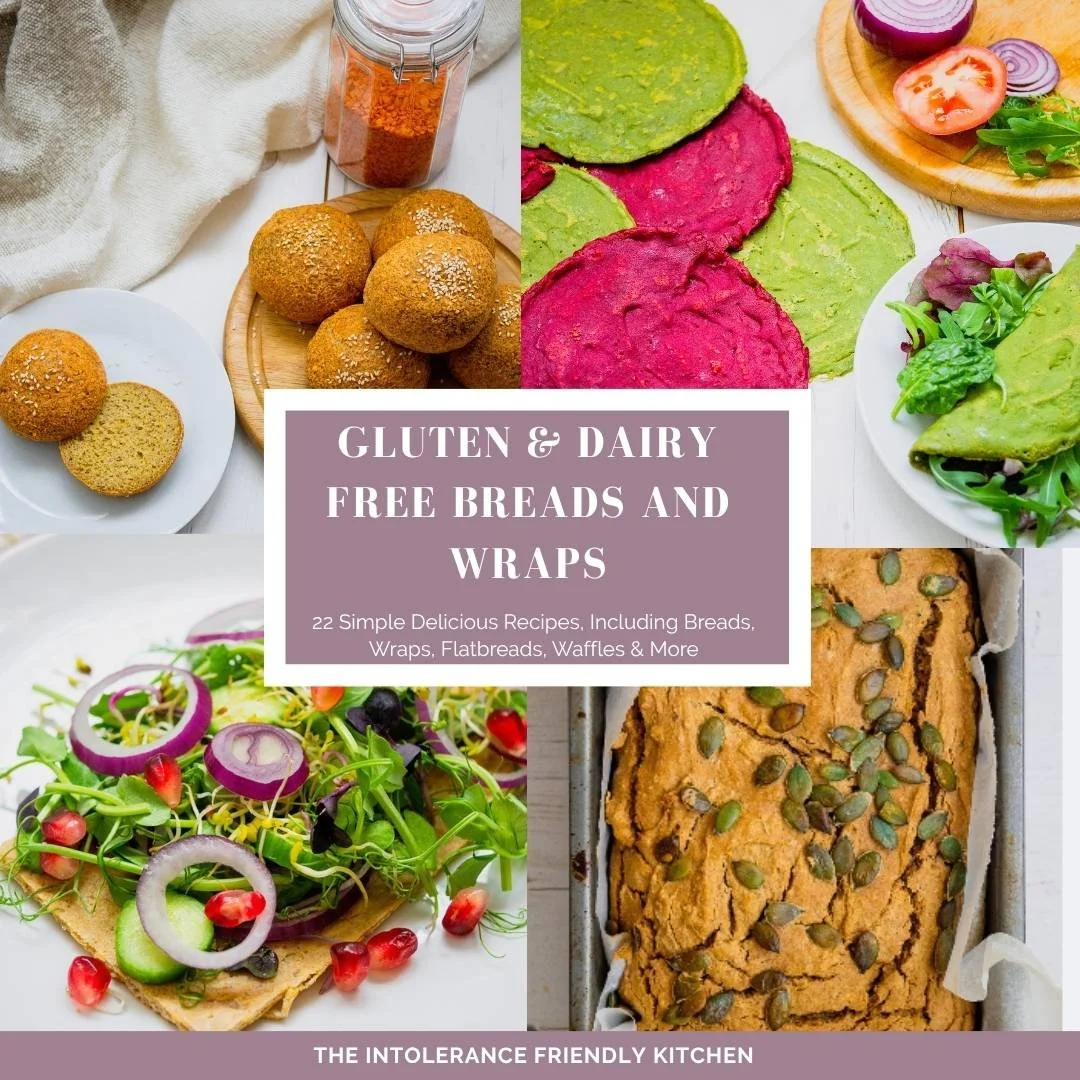
Take a look at some of my resources aimed to help you follow a yeast free diet without the nightmare of having to do so much research I did it all for you.


If you're considering a restricted diet, it's crucial to consult a registered dietitian or another qualified healthcare professional. They can help ensure your diet provides nutrients and prevent deficiencies. As I'm not a doctor or a nutritionist, I strongly advise seeking personalised care and advice.
What foods should I avoid on a yeast free diet?
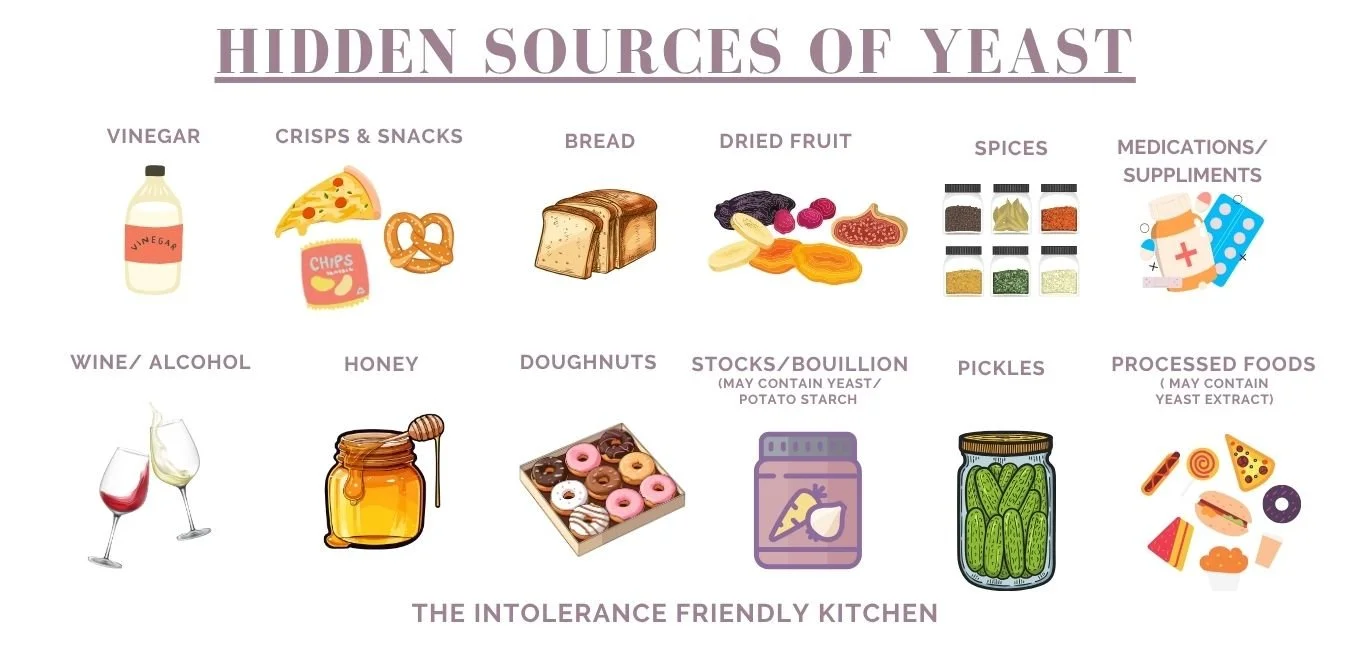
Even when you think you're following a yeast free diet, it’s easy to overlook hidden sources of yeast in everyday foods. Understanding these hidden sources can help you steer clear of them.
If you need to cut all yeast-containing foods out of your diet, know there's a long list of items to be aware of. Please do not be disheartened. I nearly lost the will to live, but fortunately, you can eat many foods, even though it seems all your favourite foods are off-limits.
I have you covered, though, with lots of recipes and foods highlighted below this section.
Take a look at my FREE downloadable cheat sheet of all the foods to avoid, PLUS a grocery shopping list to include; grab it here.
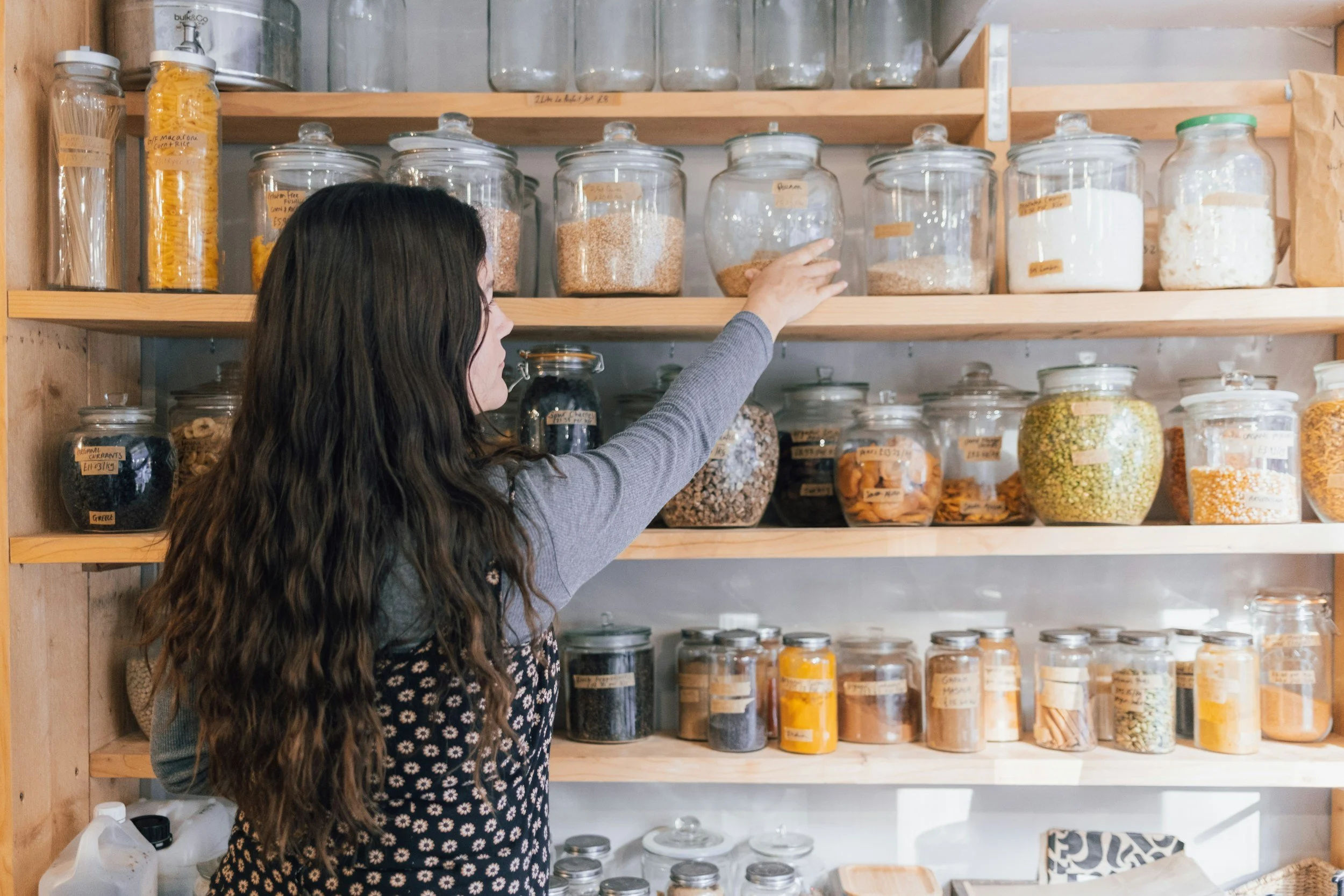
Need a pantry list? Take a look at my dedicated page for top tips to beat Candida with a detailed Candida pantry list here.
1.Processed Foods:
Many processed foods contain yeast or ingredients that promote yeast growth. For example, bread, pastries, meats, and certain snack foods like crisps often contain yeast or yeast extracts. When shopping, check the labels on processed foods for any mention of yeast or yeast-derived ingredients such as yeast extract. Traditional long fermented breads such as sourdough are sometimes better tolerated, although the jury is still out on this.
2.Condiments and Sauces:
Soy sauce, coconut aminos, miso paste, relishes, and vinegar-based dressings all contain yeast. Vinegar undergoes fermentation, meaning that unfiltered vinegar may exacerbate your symptoms and is probably best avoided. In addition, bouillon, stocks, stock cubes, gravy powders, and some types of mustard also contain yeast. Marmite is one to avoid as it is pure yeast extract.
To prevent these hidden ingredients, use fresh herbs and spices or make your own sauces at home. You can buy yeast-free stocks from either Marigold or Kallo. I use both of them in my cooking and really like them.
3.Alcoholic Beverages:
Beverages like beer, wine, and cider are fermented and contain yeast. Opt for non-alcoholic alternatives or spirits like gin and vodka, which typically don’t contain yeast.
4. Certain Fruits and Fruit juice:
Fruits such as grapes and dried fruits can naturally contain yeast and are high in sugar. Stick with low-sugar fruits like kiwi, all berries, and green apples, and ensure they are fresh. Fruit juice is highly concentrated in sugar, so all smoothies and juices should be avoided.
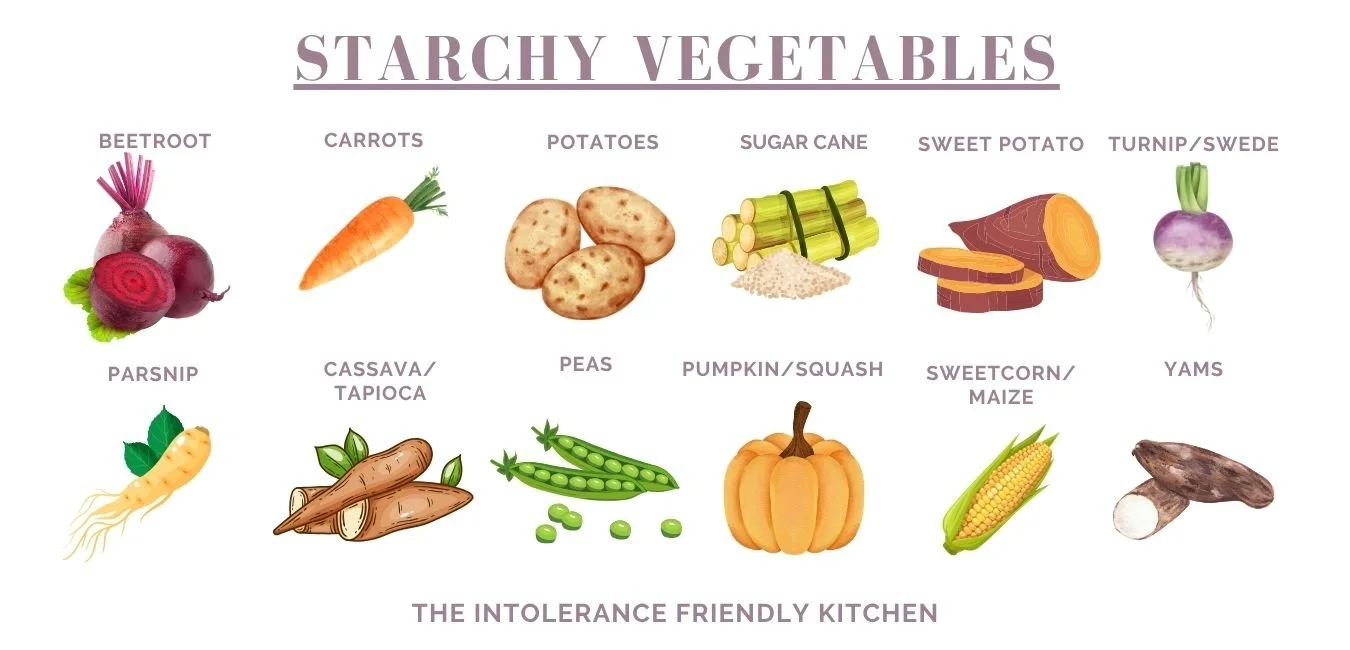
5.Starchy Vegetables:
Should be excluded; these include the vegetables below, which include beans and lentils except green beans.
Download a FREE PDF copy of non-starchy vegetables and herbs to eat on a yeast free diet here.
6. Sugar in all its forms:
Including honey, cane sugar, agave, high-sugar fruit, and sugar alternatives like Canderel or splenda. This also includes sweets and chocolate ( sorry, ladies!). I have been eating 100% cacao chocolate in very small quantities, but it's really bitter as it has no sugar. You could melt this and add some liquid stevia to make your own chocolate.
7. Some nuts:
Pistachios, cashews, peanuts, and pecans are high in mould.
8. Mushrooms and Quorn:
Both are related to yeasts. The mycoprotein in Quorn is a form of fungi/mould. Some people may find that their symptoms worsen after eating mushrooms. This could be because they are generally intolerant to fungi (yeast is a fungus).
9. Dairy food:
Dairy foods contains lactose, a form of sugar that can feed the yeast inside your body. Avoid foods like buttermilk, mouldy cheese stilton, and anything that contains milk.
10. Fermented foods:
Like, sauerkraut, kimchi, kombucha, keffir. Amy Myers MD states that “While fermented foods do feed your gut’s population of beneficial probiotics, they also feed Candida. What’s more, some fermented foods are already yeast-containing and can directly contribute to your gut’s overgrown population of Candida albicans.”
I cannot drink kombucha; it's like an explosion in my stomach, followed by very uncomfortable bloating. If unsure whether to eliminate this, please speak to your doctor or health care practitioner for personalised advice. Read more about fermented foods related to candida here.
11.Caffeine drinks:
Including energy drinks, coffee, and tea. ( I know, Im sorry, no chocolate & no caffeine. Don’t lose the will to live just yet!!!) Caffeine stimulates the adrenal glands and increases adrenaline and cortisol, disrupting the feedback loop between your hypothalamus, pituitary gland, and adrenals, thus impairing your body's ability to regulate hormone levels, which can affect Candida Overgrowth. Read more about this here:
12.Pickles/ Olives:
These are often brined in vinegar. Vinegar, along with other foods made with vinegar, contains yeast.
13. Beans and legumes:
Lentils, peas, broad beans, chickpeas, and soybeans are out because they are high in carbohydrates and therefore feed the yeast in the body.
14.Wholegrains:
Wheat and gluten products should be avoided if you have chronic yeast intolerance. They are also high in carbohydrates, which will feed the yeast in your body, which includes cous cous, farro, white rice, spelt, wheat, rye, barley, pasta, semolina, and tapioca.
15 . Supplements:
Check the ingredients label on any supplements you take, as they may contain sugar or yeast. I know, shocking!
16. MSG:
Monosodium glutamate is also made via fermentation and is included in many foods, so always read the label.
17. Vinegar:
Distilled vinegar and apple cider vinegar with the mother are okay. What is Apple Cider Vinegar with Mother? Apple Cider Vinegar with Mother is the purest form of Apple Cider Vinegar you can get. It hasn’t been fussed with; it is unrefined, unfiltered, and 100% natural. The existing bacteria (the Mother) hasn’t been destroyed in pasteurisation, so Apple Cider Vinegar with Mother has a cloudy, thick appearance.
By learning to identify these hidden sources, you can avoid accidental ingestion of yeast and keep your diet on track. Download a copy of my FREE cheat sheet PDF on foods to avoid PLUS a grocery shopping list here.
Take a look at my dedicated page for top tips to beat Candida with a detailed Candida pantry list here.
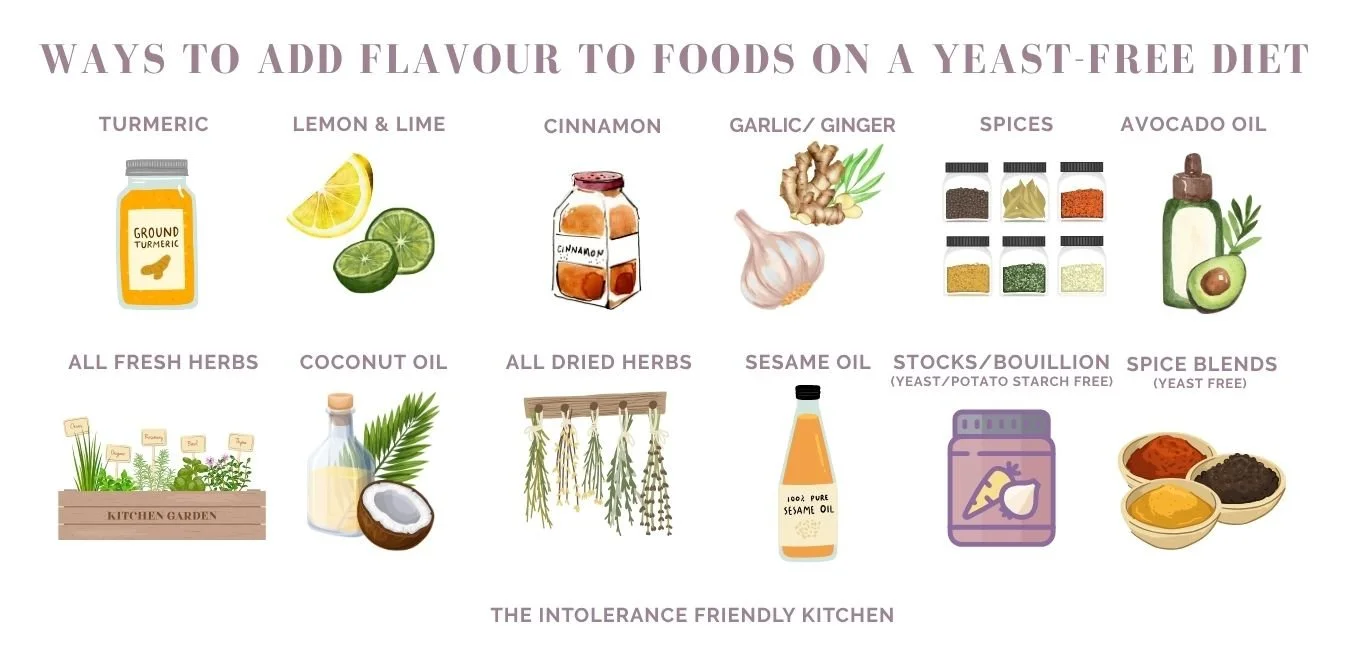
Foods to include on a yeast free diet
Protein Sources
Fresh Meats: Opt for fresh, unprocessed meats like beef, chicken, and turkey. These can be grilled, baked, or boiled to keep them healthy. Avoid cured or processed meats like bacon or sausages as they often contain hidden sugars and yeast.
Fish: Fresh fish such as salmon, mackerel, and sardines are excellent sources of protein and omega-3 fatty acids which are beneficial for your overall health. Aim to include fish in your diet at least twice a week.
Eggs: Eggs are versatile and can be a staple of a yeast-free diet. They can be boiled, scrambled, or made into an omelette. Eggs contain vital nutrients and are an excellent source of protein.
Vegetables
Vegetables are a cornerstone of a yeast free diet. They are rich in vitamins, minerals, and antioxidants.
Broccoli: This low-starch vegetable is packed with nutrients. It's excellent steamed, roasted, or added to soups.
Spinach: Spinach is versatile and can be used in salads, smoothies, or sautéed as a side. It's full of iron and vitamins.
Asparagus: High in fibre and vitamins, asparagus makes a fantastic side dish when roasted or steamed.
Consider adding other non-starchy vegetables like cauliflower, Brussels sprouts, and cucumber to your meals for variety.
You can find a comprehensive list of non-starchy vegetables to include in your diet here.
Healthy Fats
Healthy fats are essential for brain function and overall health. Including these in your diet can help you feel satisfied and balanced.
Avocados: are a fantastic source of healthy fats. They can be added to salads, smoothies, or enjoyed on their own.
Olive Oil: Use extra virgin olive oil for cooking or dressings. It's rich in monounsaturated fats and has anti-inflammatory properties.
Nuts and Seeds: Almonds, walnuts, and chia seeds are great snacking options. They provide healthy fats, proteins, and fibre. Ensure they are unsalted and raw to avoid added sugars or yeasts.
Grains to include:
Grains like brown, black, red, and wild rice, millet, amaranth, buckwheat, teff and quinoa. Please take a look at my article on gluten-free grains here. It includes many recipes, an introduction to gluten-free grains, what they taste like, where to buy them, and creative, delicious recipes.
Download my printable pdf here for a list of foods you can eat.
Including these foods in your yeast free diet will help you avoid yeast and maintain a healthy and balanced diet. For additional meal ideas and tips,and a pantry list check out this page here.
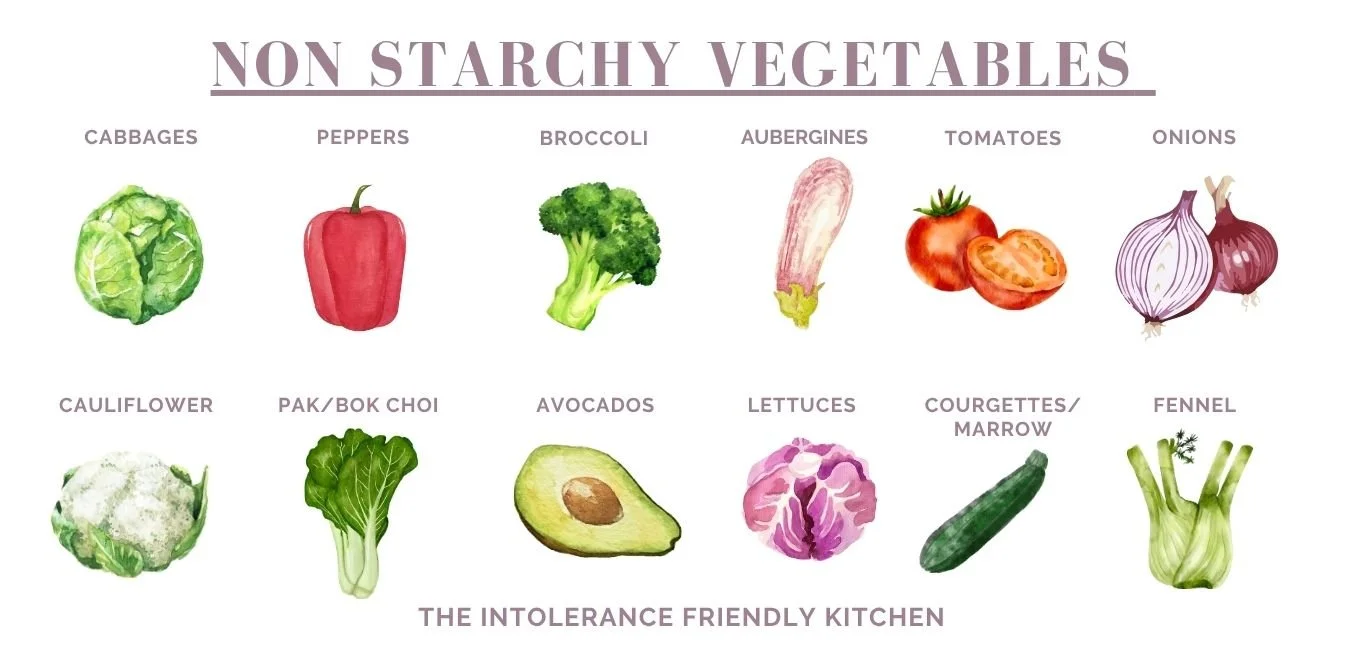
Click to download a FREE printable PDF of non-starch vegetables to eat.
Yeast Free Meals
Candida friendly, Yeast free diet - Breakfast ideas
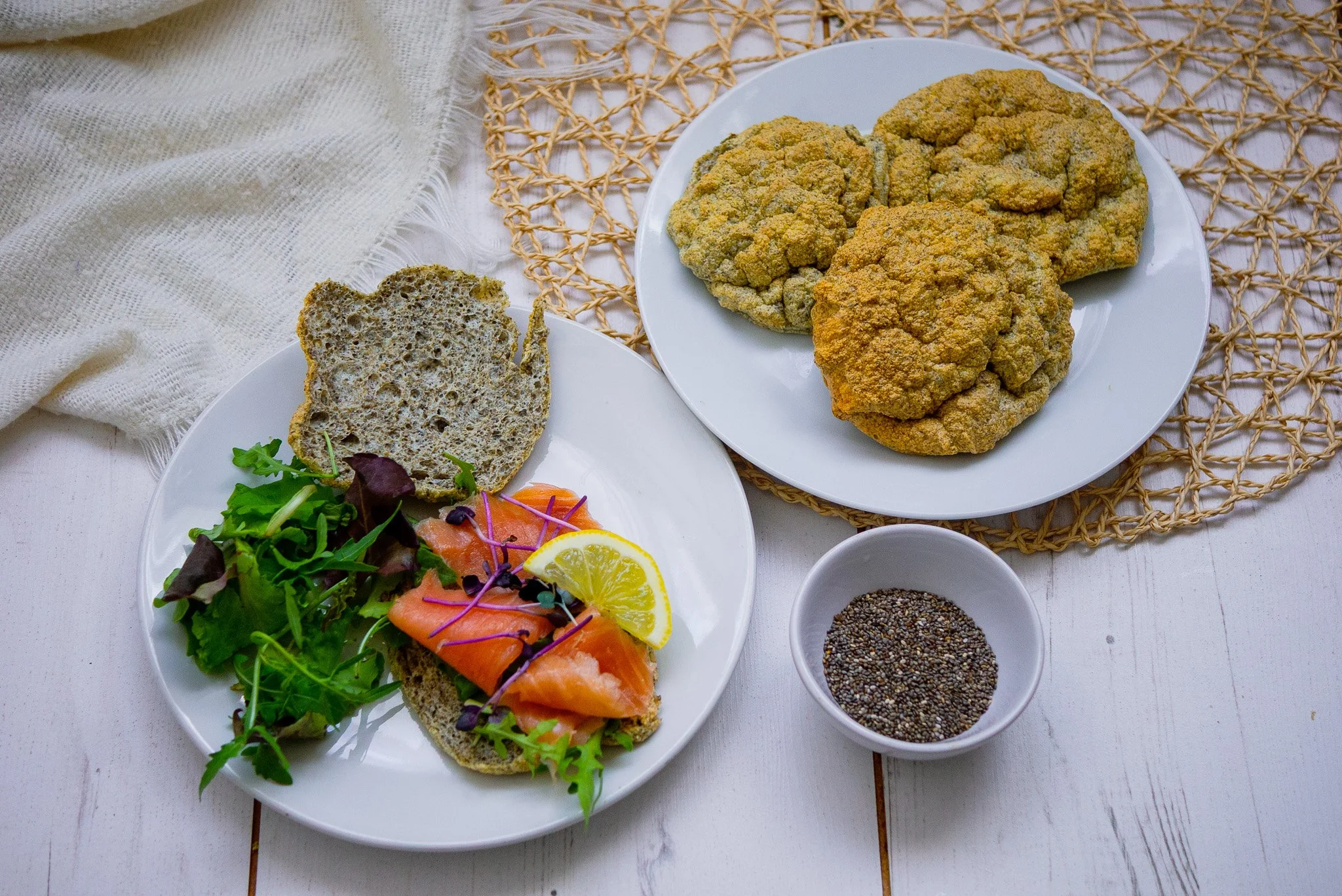
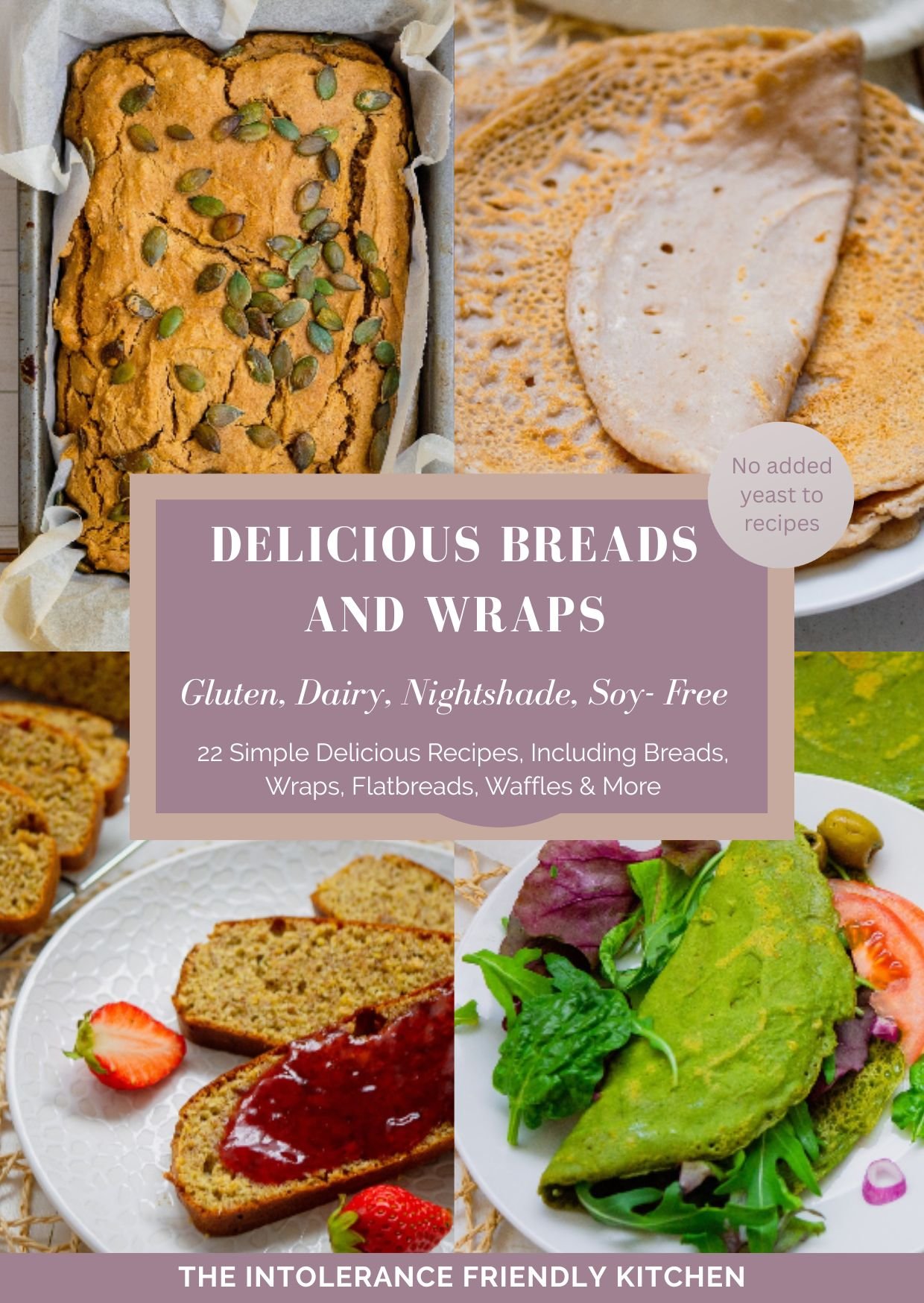
Scrambled eggs with spinach and avocado on grain-free, yeast-free toast – Recipe for grain-free bread
Eggs can be scrambled, poached, or fried with baked salmon, spinach, and avocado. For flavour, I like adding a pinch of onion and garlic granules to my scrambled eggs with chives.
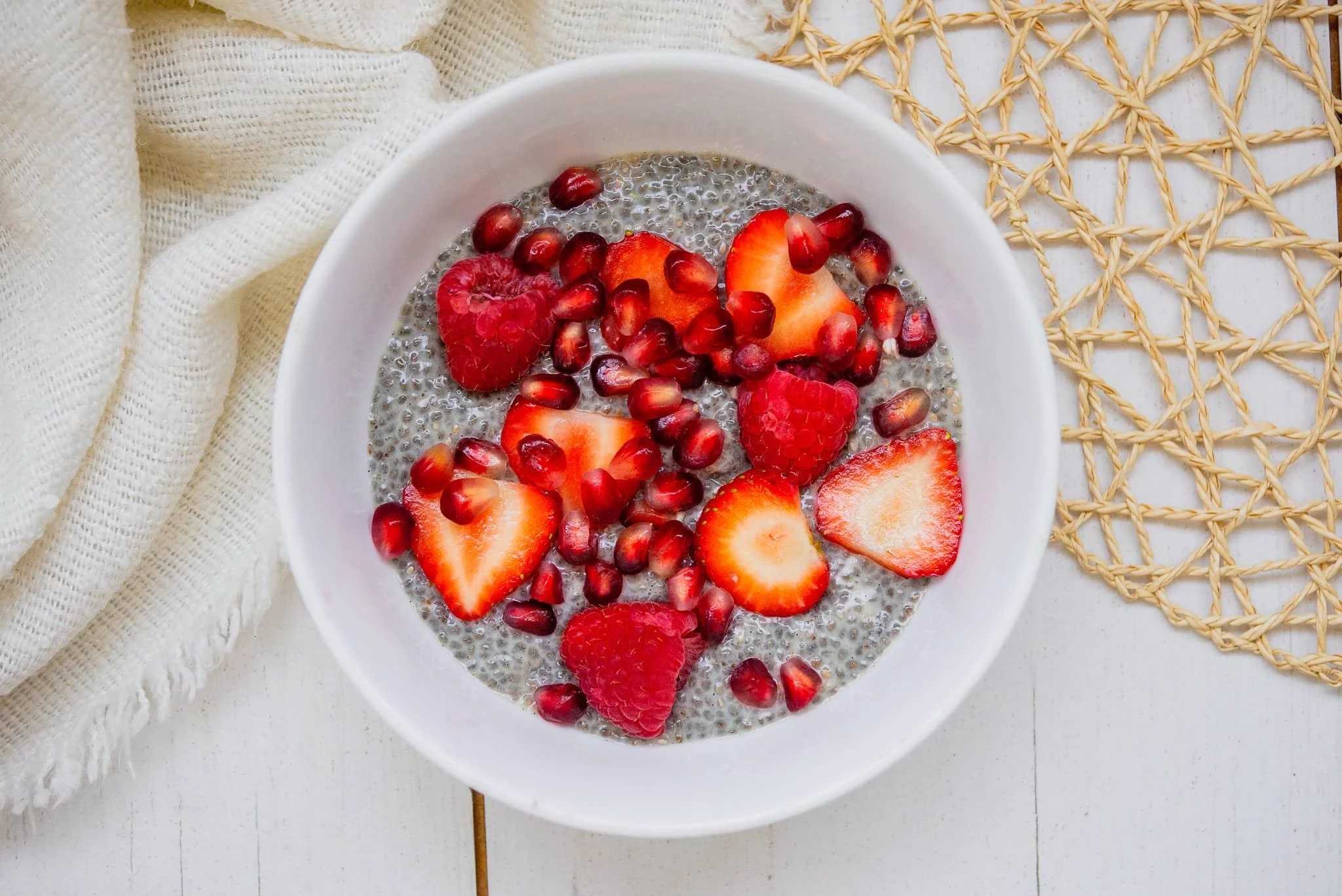
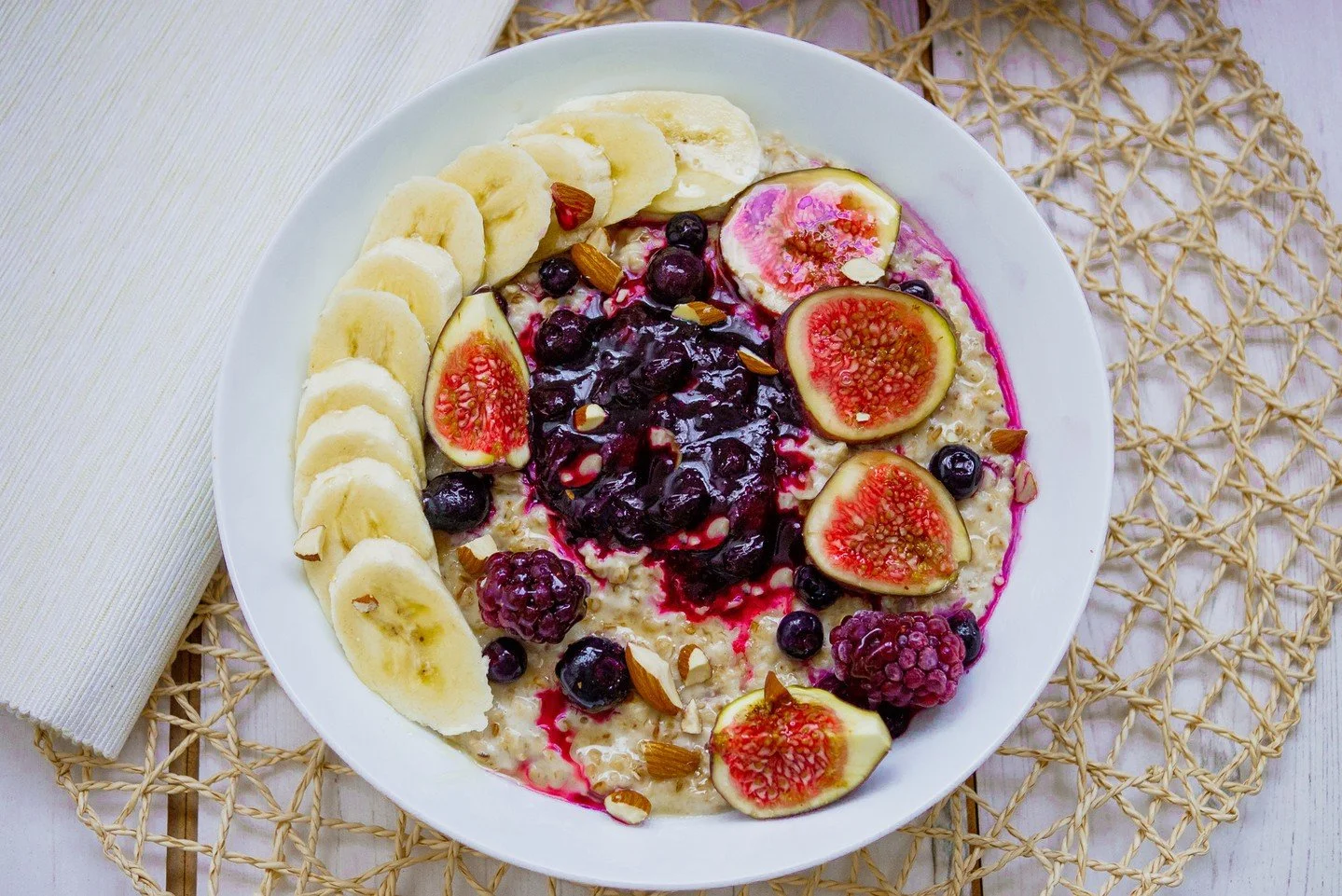
Chia seed pudding with ½ cup berries (if tolerated) and coconut shavings or mixed seeds recipe in my recipe ebook download here.
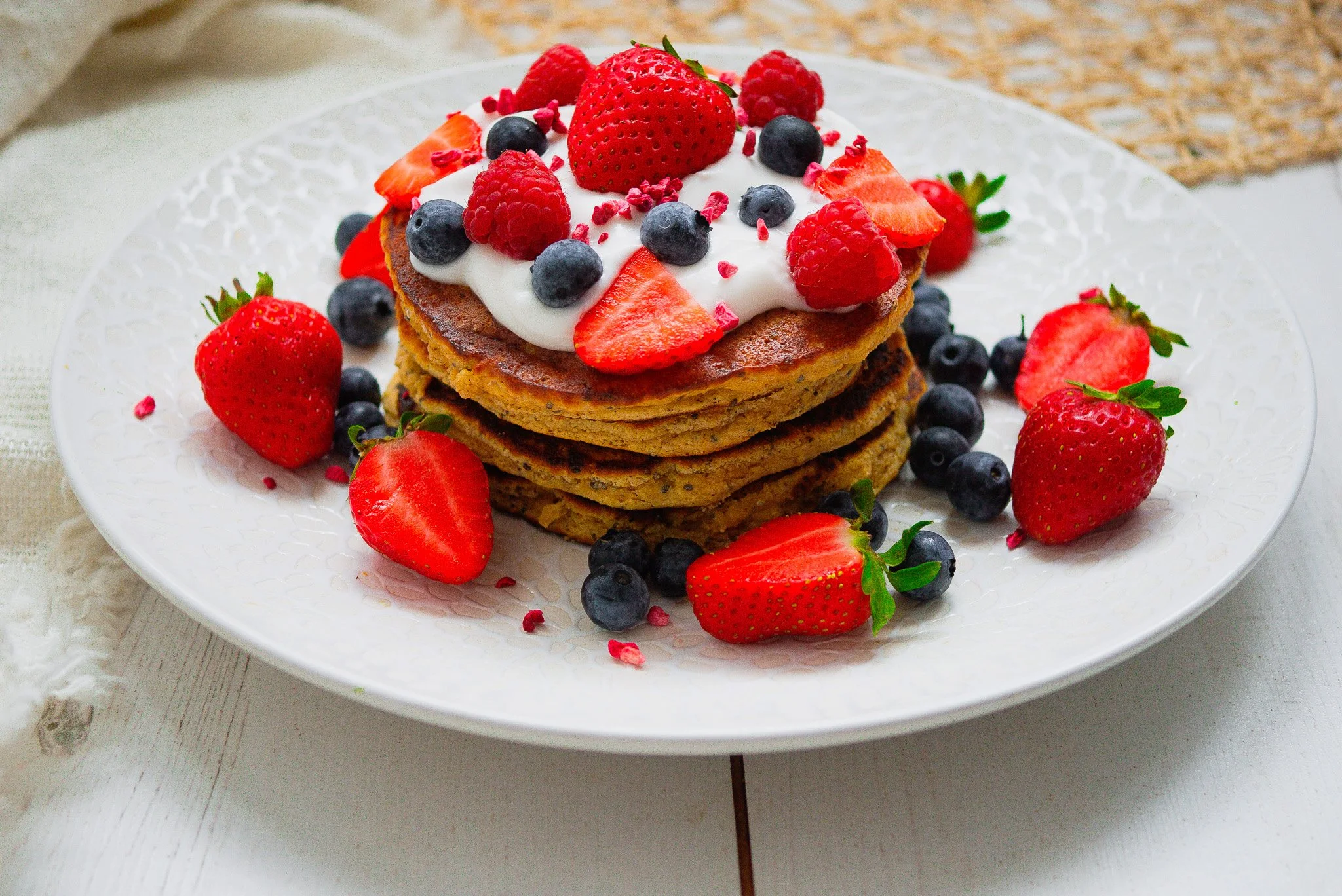
The recipe for buckwheat pancakes with coconut yoghurt and berries is in my ebook.
Oat bran porridge ( if tolerated) with grated green apple and cinnamon recipe ebook.
Grain-free oatmeal (chia seeds, flax seeds, hemp hearts, coconut milk) topped with (berries if tolerated).
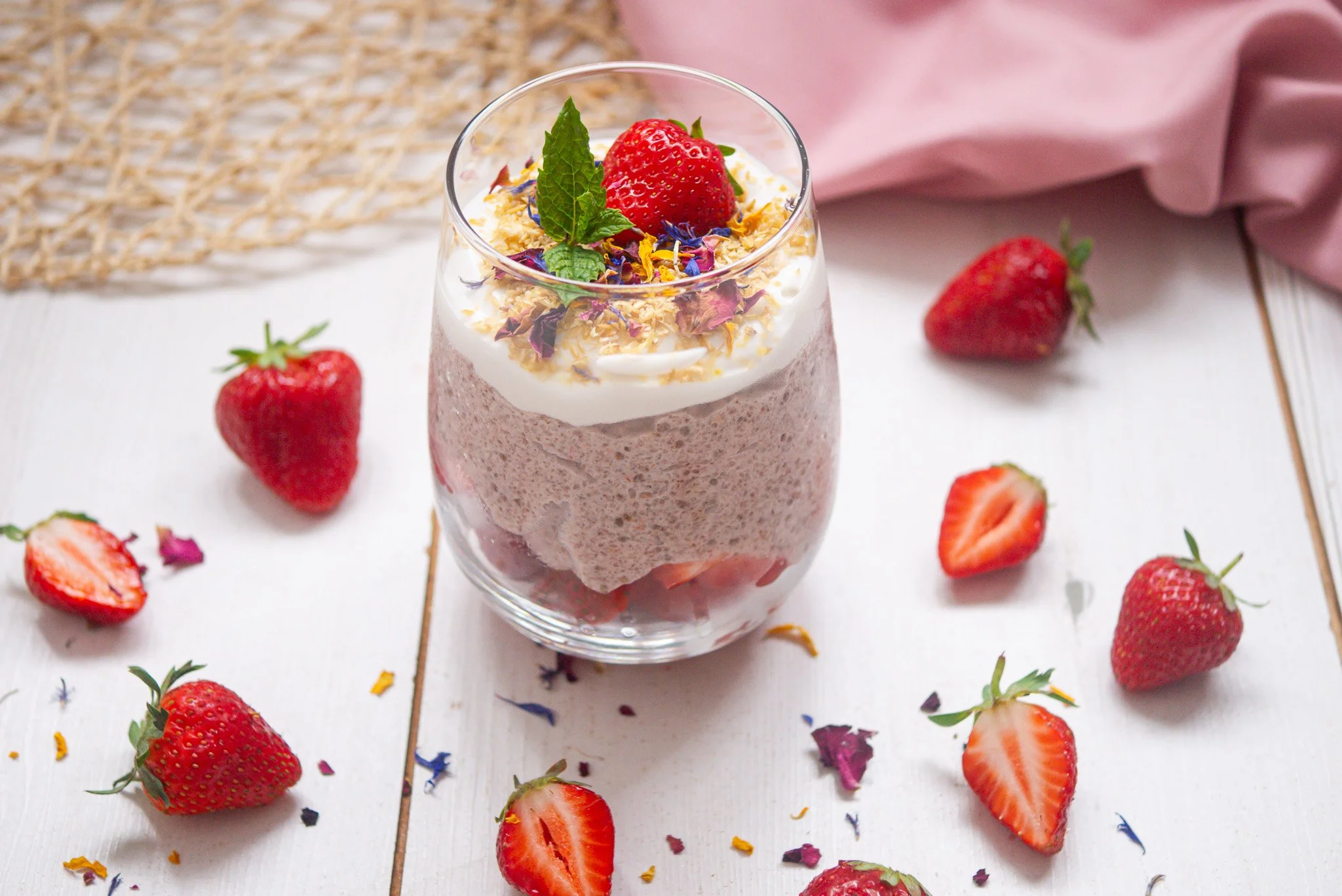
Strawberry, coconut, linseed mousse – Swap the honey in this recipe for either liquid stevia or xylitol.
Dairy-free yoghurt topped with berries (if tolerated), coconut, cinnamon, and grain-free granola. (Swap the sweetener for Liquid stevia or xylitol.)



Candida friendly, yeast free diet lunch ideas
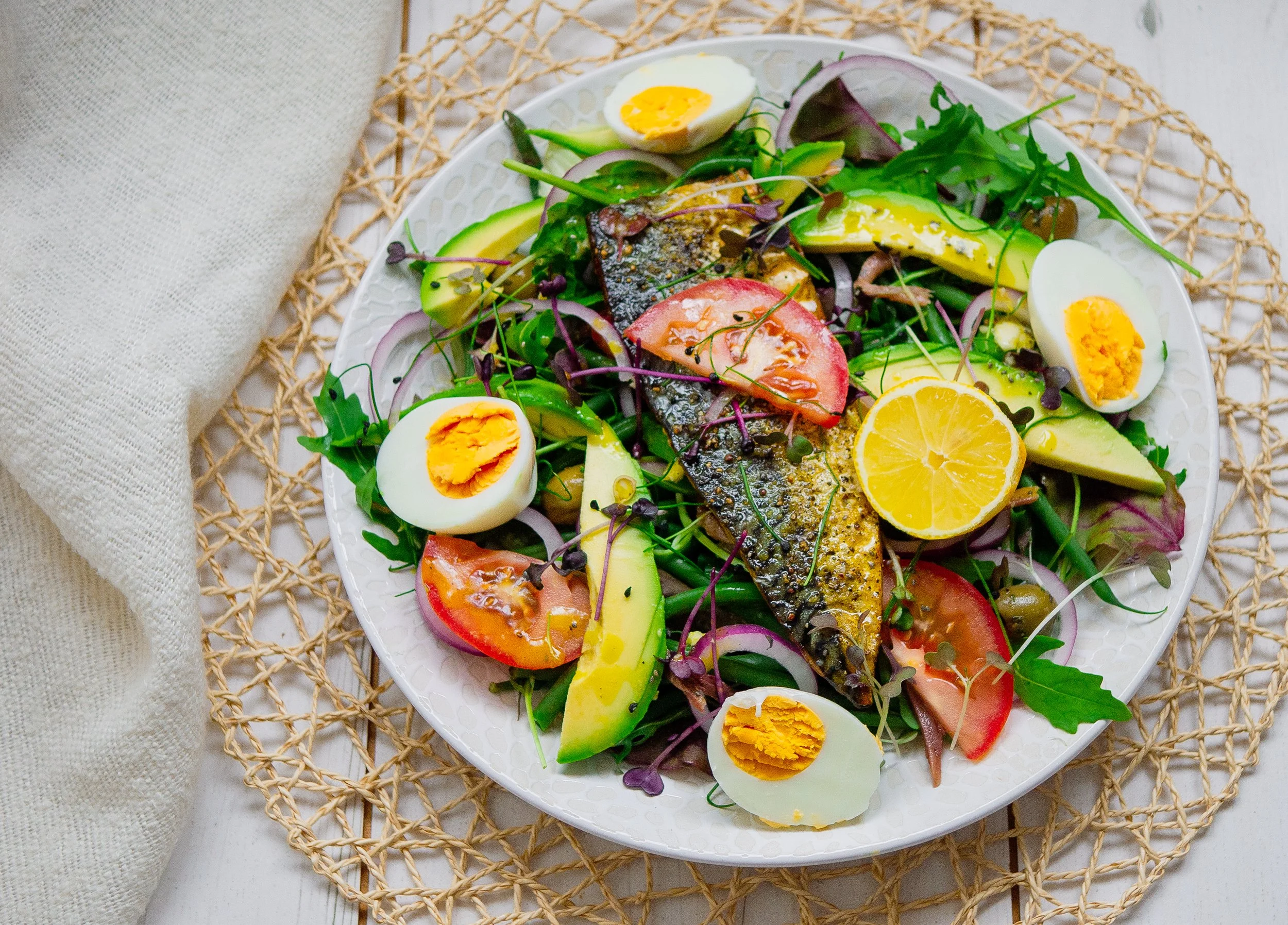
Spinach or rocket salad with cucumber, tomato, onions, parsley, and fish ( salmon, cod, trout) dressed in olive oil, lemon, salt, and pepper. Try my lemon yeast-free dressing recipe here. You can also add cooked quinoa or millet to the salad.
Mixed leaf salad with sauteed courgettes, asparagus, quinoa, tomatoes and slivered almonds topped with grilled chicken and tossed in a mustard tarragon dressing. See my yeast-free dressing recipe here; add tarragon.
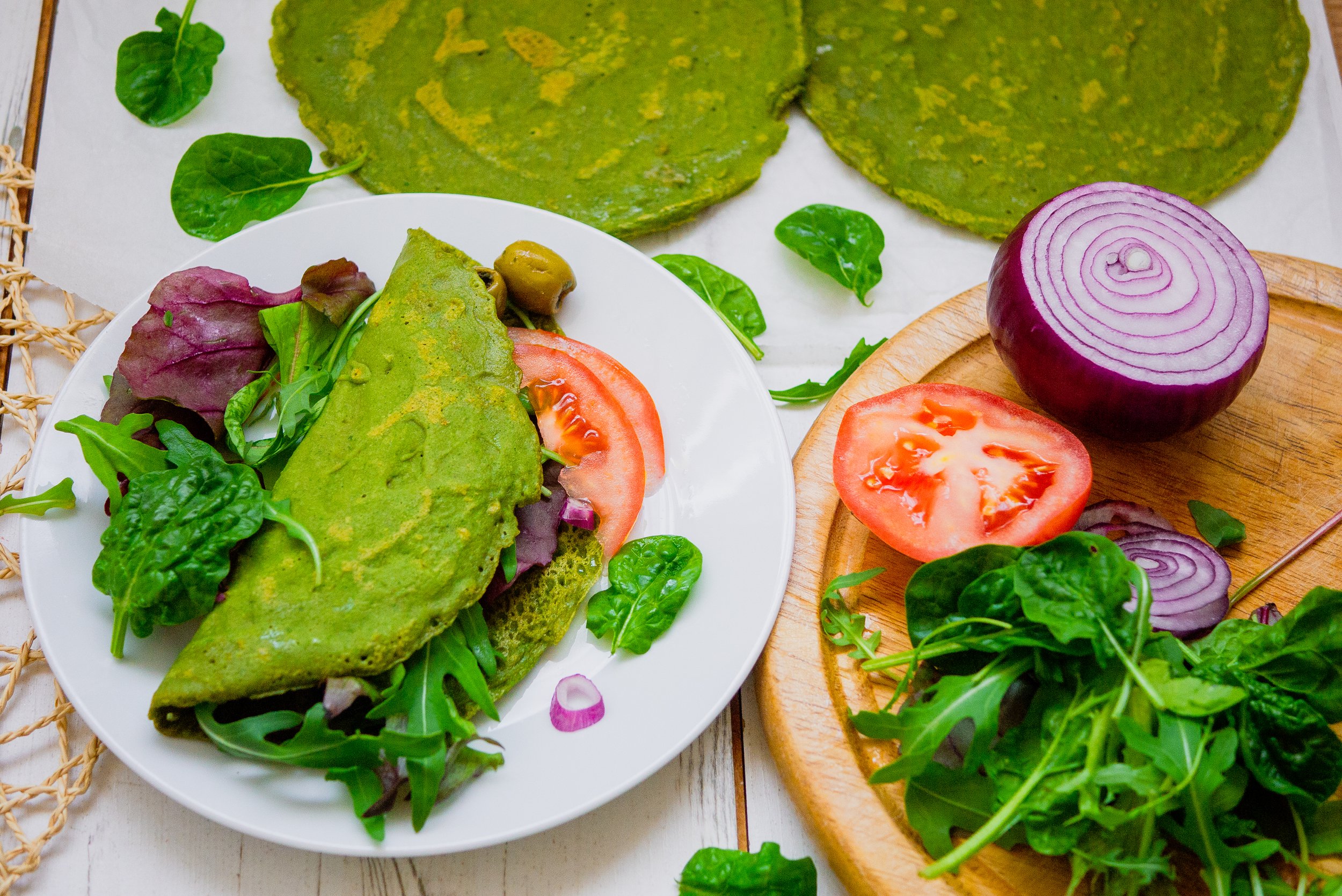
Gluten-free wrap with red and yellow peppers, shredded cabbage, onion, coriander, and avocado. You can also try my lentil wraps here, which are yeast-free.
Chopped Mediterranean salad- peppers, tomatoes, olives brined in olive oil, not vinegar, herbs, chicken or salmon, avocado, olive oil balsamic.
Click on the pictures to go to the recipes and download the ebook.


Candida friendly, Yeast free diet Dinner ideas
Wild-caught salmon with asparagus and quinoa with a lemon and avocado oil drizzle.
Grass-fed burger in a lettuce wrap topped with avocado and a salad or vegetables. I love using minced beef. lamb, minced chicken or venison with chopped onion, garlic, chilli, coriander and garam masala or cumin, salt, black pepper. For the full recipe, download my yeast-free ebook here.
Zoodles ( spiralised courgette) with turkey or chicken meatballs with cherry tomatoes and pesto.
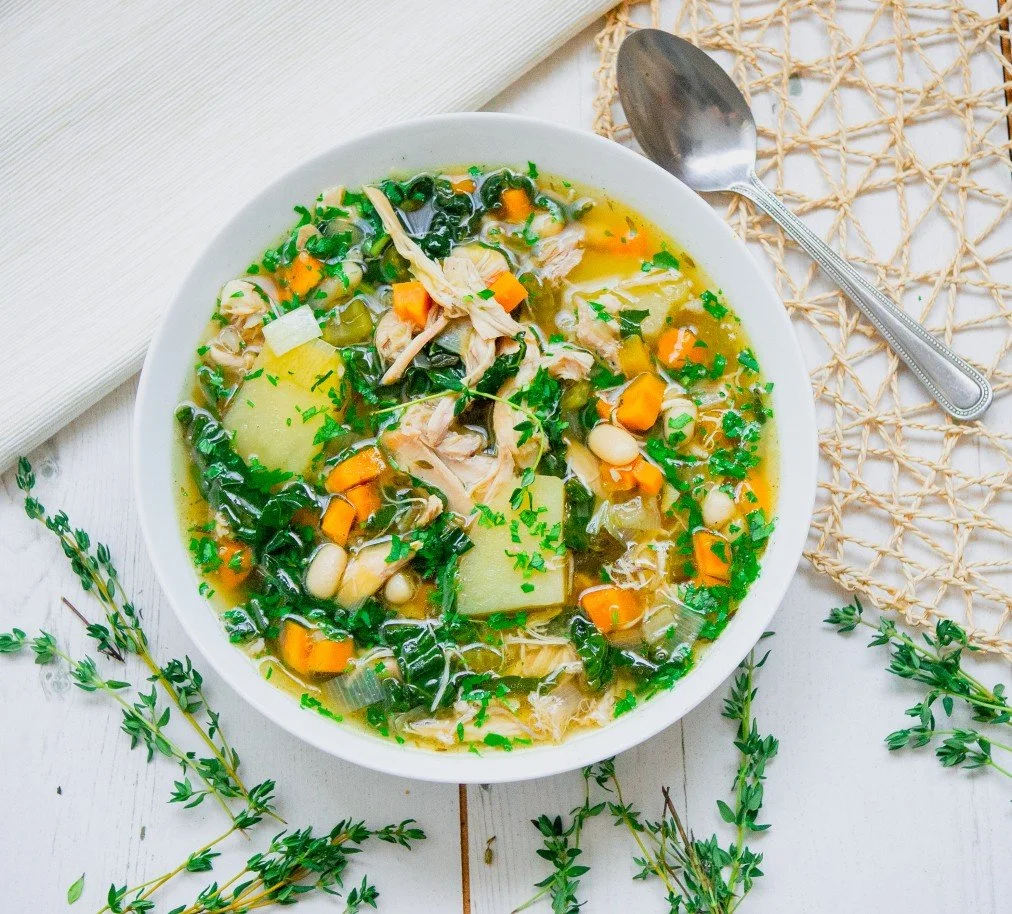
Chicken broth soup with veggies and chopped chicken. You can use store-bought (yeast-free) chicken stock or make your own using my simple recipe here.


Candida friendly, Yeast free diet Snack ideas
Green apple and almond or hazelnut butter
Almond Butter and celery
Hard-boiled eggs with a dash of salt and pepper
Veggie juice can be made with any of the following: leafy greens, cucumber, celery, ginger, lemon, carrots, or fennel.
Seed crackers with avocado dip
Tiger prawn, cucumber and avocado bites
Guacamole with crudites


Candida friendly, Yeast free dessert ideas
Baked apples with cinnamon, topped with grain-free granola.
Vegan Avocado Mousse - recipe ebook download here.
Chia seed pudding with berries - recipe ebook download here.
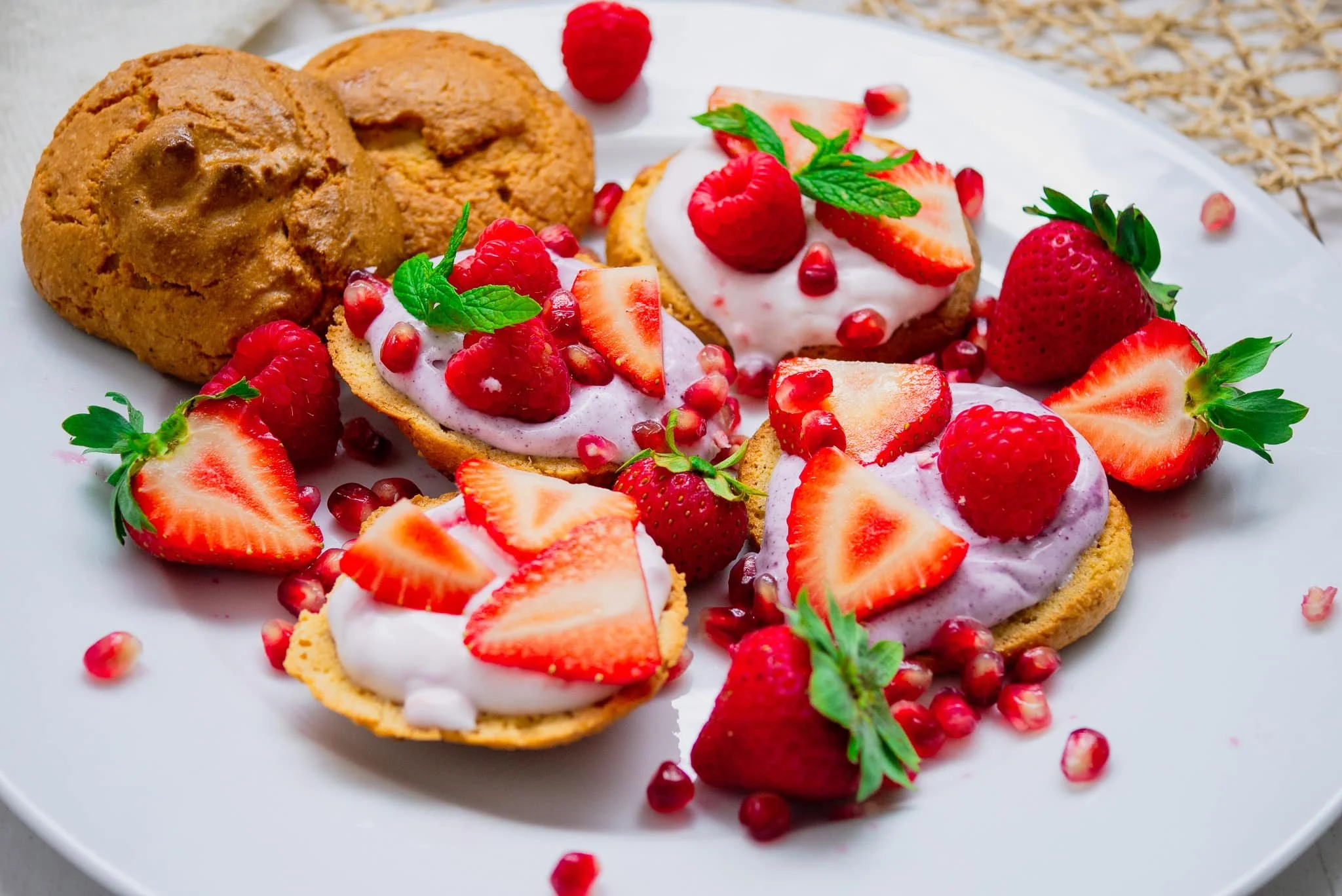
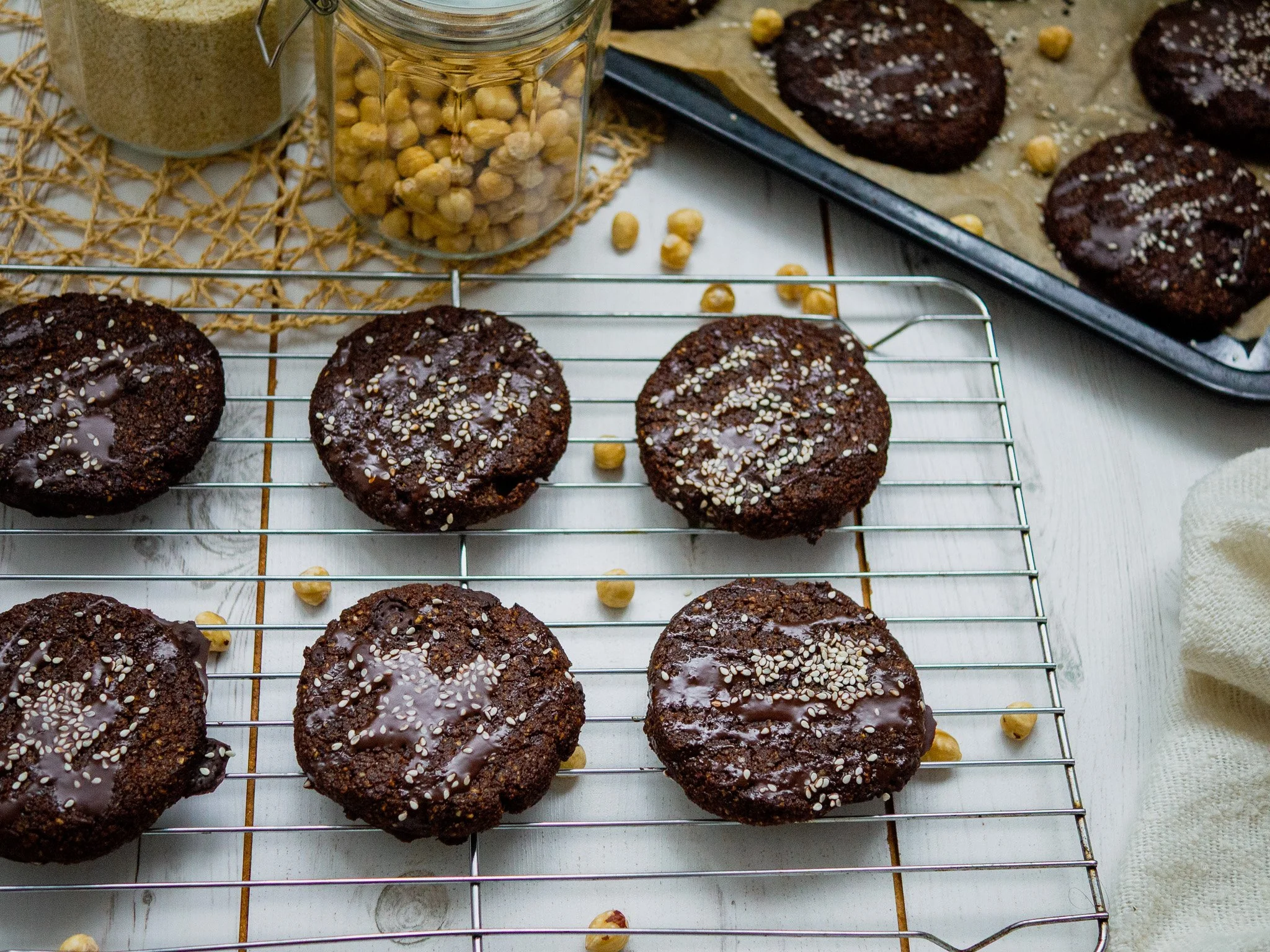
Gluten-free, cinnamon cookies (sugar substituted with the same quantity of xylitol.)
Paleo Almond Flour Sugar Cookies (sugar substituted with the same quantity of xylitol.)
Balancing your nutrients while avoiding yeast doesn’t have to be difficult. It's only challenging when you start and don’t know what to do. You can maintain a healthy, yeast-free diet by choosing various nutrient-dense foods and possibly incorporating supplements.
Find the foods to eat in an easy-to-read and printable PDF of foods to avoid, along with a shopping list of ingredients to kickstart your healing journey on a yeast-free diet here.


Useful Websites for a Yeast free Candida Diet
For a helpful yeast-free foods list, click here.
Candida diet list—I love this link. It's super comprehensive, with a list of foods to avoid and moderation in one printable PDF.
Read more about candida here in a Healthline article.
Take a look at my dedicated page for top tips to beat Candida with a detailed Candida pantry list here.
Yeastr Free Recipes
Nourishing meals: LOVE this website, tons of great healthy and yeast-free recipes for everyone.
The free from fairy! She has recipes for yeast-free, gluten-free bread and loads of other creative recipes.
The candida diet:There are lots and lots of Candida diet recipes. Sign up for the newsletter to receive a free 8-day candida guide. It's super useful and has lots of tips on not just what not to eat but valuable tips to get you through. This diet isn’t easy, so don’t be fooled. Grab all the help you can get!
Marin mamma cooks:This website! Oh my goodness! WOW! The recipes look divine. She's also a health coach and has a really detailed meal plan, plus recipes and useful tips on digestion and gut health.
Elana's pantry: Do you prefer simpler recipes? Take a look at this website. She also has tons of other allergy-friendly recipes that anyone could tackle.
Anti candida kitchen: I love this website, which has many recipes. Sign up for the newsletter to receive great emails and helpful information.
Yeast Free Cookery books
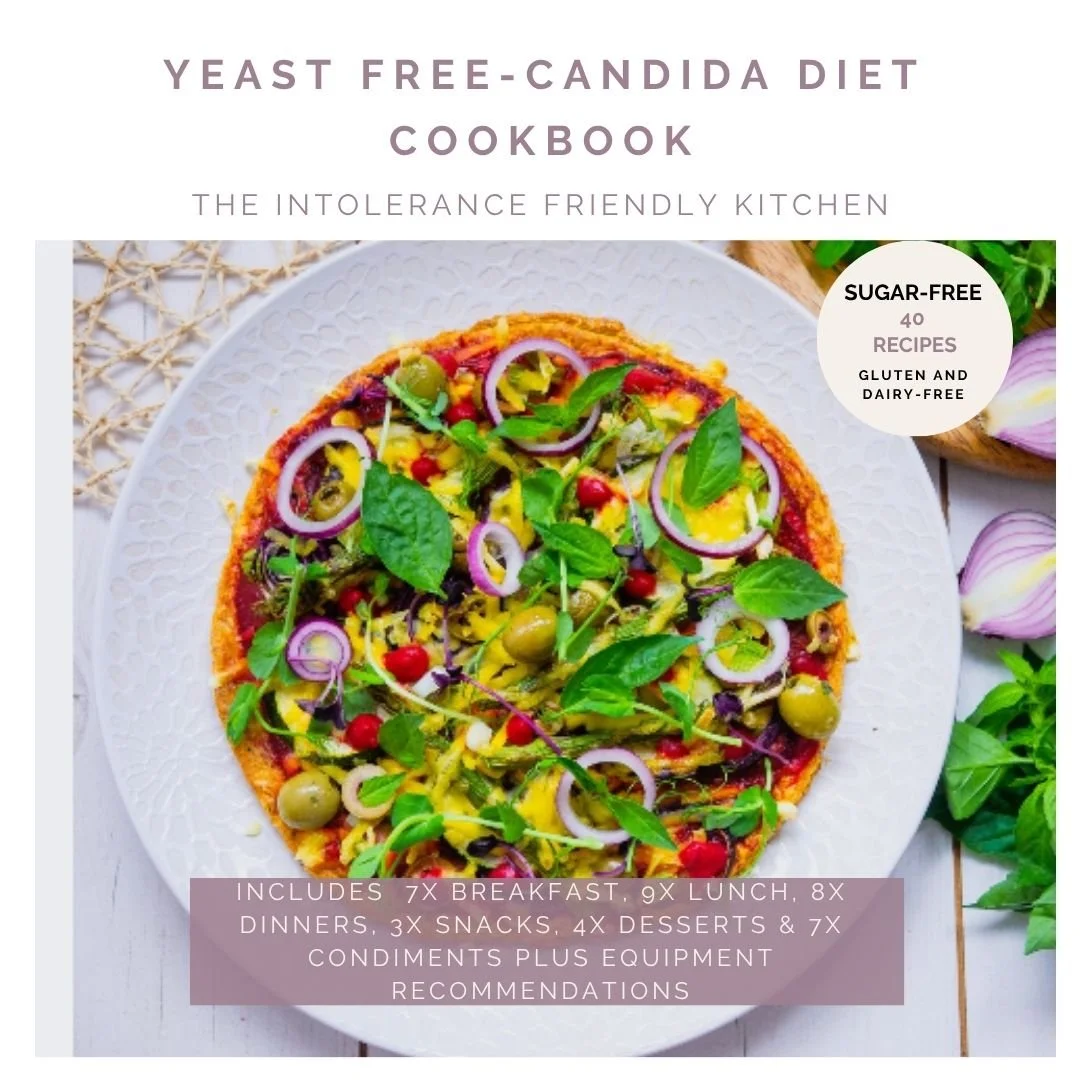
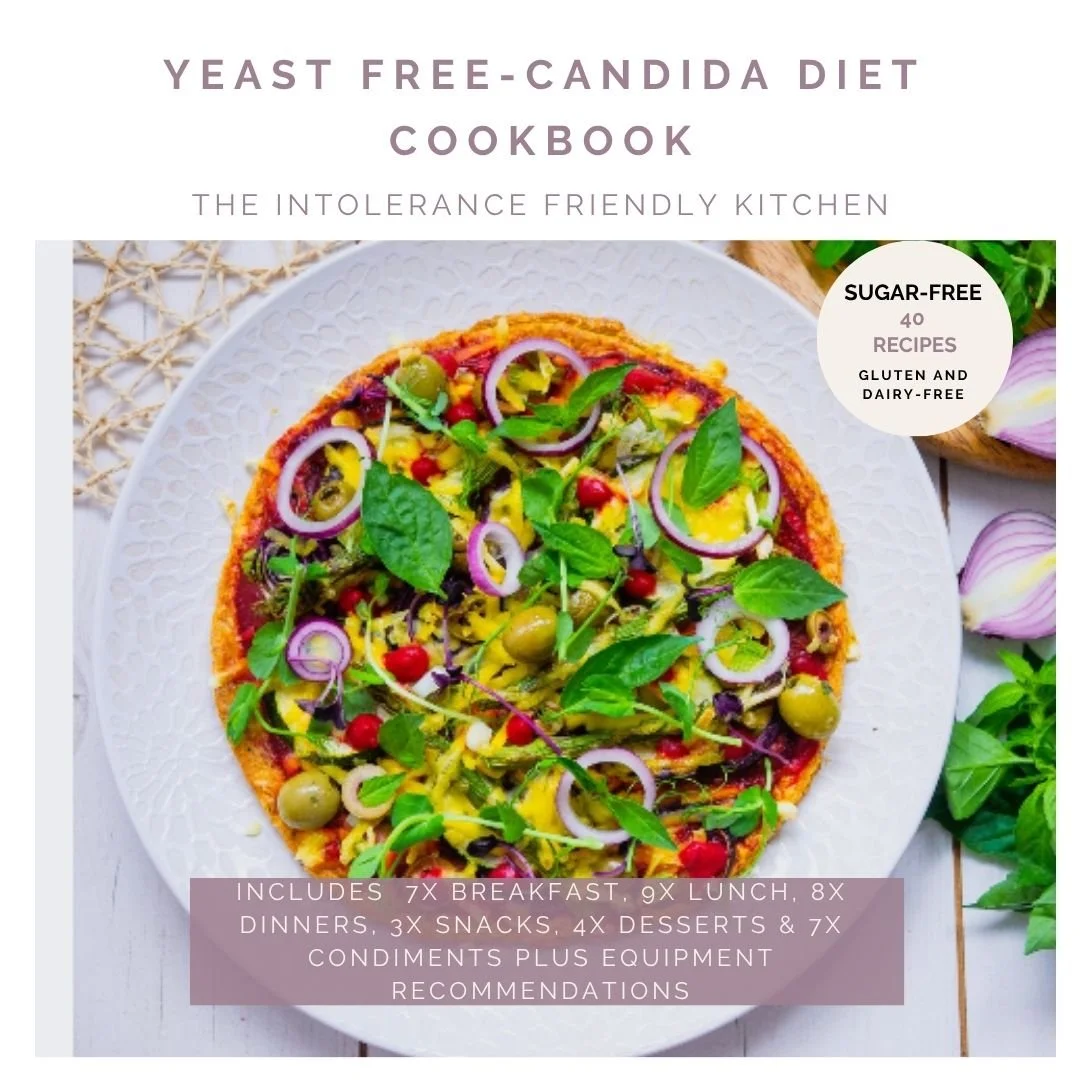
Yeast-Free, Candida Cookery Book: This book contains over 40 innovative recipes with bold flavours and spices. It uses anti-inflammatory whole-food ingredients to nourish your body and combat yeast. This book is low in sugar and suitable for diabetics, paleo, and low-carb diets, and it can be easily adapted to dairy-free diets.
A guide to yeast intolerances, allergies, and candida diet is included. The book also includes a PDF version of the foods to avoid and the foods to include in your diet. You can also email me with any questions you might have regarding the recipes or foods here.


Yeast Free Cookery Books
Simply Yeast-Free: Discover more about the yeast-free lifestyle. Here, you will find useful information, testimonials, and yeast-free recipes. This cookbook is yeast-free, paleo-friendly, low carb, low sugar, low sodium, gluten-free friendly, and very healthy.
Candida Cure Cookbook:Designed to help you beat candida (yeast) overgrowth, get healthy and lose weight, the delicious and nutritious recipes in this easy-to-use cookbook are all sugar-free, dairy-free, gluten-free and yeast-free.
Candida Free cookbook: The Candida Free Cookbook will help you get rid of candida forever and take your health back. The Candida Free Cookbook includes useful information on the symptoms and risks associated with candida, a step-by-step guide to a healthy candida cleanse, and over 125 simple, delicious recipes that will help you remove yeast from your diet, so that you finally live candida-free.
Erica Whites beat candida cookbook:Over 340 recipes with a 4-point plan for attacking candidiasis.
Simple Candida Diet Cookbook:Diet Meal Plan with antifungal recipes for Yeast infection, Leaky Gut Syndrome and Candida Overgrowth
Social Media Communities:
Connecting with others who share similar experiences can be incredibly empowering. These communities often provide not just emotional support but also valuable resources, recipes, and tips for managing allergies and food sensitivities.
Sharing struggles and successes can help create a sense of belonging, making the journey less isolating.
Pinterest board:Yeast Free recipes
Pinterest Yeast Free recipes: Including bread recipes.
Recipes for the candida diet: On facebook
The candida plan: On facebook
Looking for some FREE resources?
Pantry List
More recipes
FAQs List to help you follow a yeast free diet
And a wealth of other helpful information to support you on your yeast free and candida diet journey.
Long-Term Considerations
Maintaining a yeast-free diet over the long term requires careful planning and consistent effort. I was really upset when I found out I had to follow this diet, plus I have 12 food intolerances, yeast being one of them. And thought my goodness what a joyless life Im going to lead with no sugar, carbs or alcohol.
However, following this diet has been such a game-changer in terms of my IBS symptoms and brain fog disappearing. It’s worth it in the long run to feel normal and live without the uncomfortable symptoms. Here are some important points to keep in mind:
Avoiding Trigger Foods: Even occasional consumption of high-sugar or fermented foods can lead to yeast overgrowth. Stick to your meal plan to prevent setbacks. I find that even when I eat a little sugar, my stomach gets bloated, so it’s just not worth it.
Nutrient Balance: Ensure you’re getting a well-rounded diet. Include a variety of vegetables, proteins, and healthy fats to meet your nutritional needs.
Seek the help of a nutritionist. I consulted with a kinesiologist first and then with Racheal Boon, who is based in Worthing, but she does Zoom calls online. Rachael is vegan and can help those who follow a plant-based diet. Her positive and upbeat personality and professionalism made it really easy for me to trust her expert advice. She also recommended a thorough list of supporting supplements and herbal tinctures she makes herself. I would highly recommend that you go take a look at her website here.
Meal Prep: Preparing meals in advance can help you stay on track and avoid the temptation of yeast-containing foods. Having my handy what-to-eat lists and what-to-avoid list will also help you download them here.
Listening to Your Body: Pay attention to how your body reacts to different foods. Everyone’s body is different, and adjustments may be needed to tailor the diet to your needs.
Regular Check-ups: Stay in touch with your healthcare provider to monitor your health and make any necessary adjustments to your diet.
By following these guidelines, you can successfully maintain a yeast free diet and enjoy its long-term benefits. Always consult your healthcare provider for medical advice tailored to your individual needs. This article is educational and does not replace professional medical guidance.
I hope that you have found this article helpful. Please comment below to let me know what you think or if you have any feedback! I always love to hear my readers ’ views!
This article is for educational purposes only and should not be taken as medical advice. I am not a healthcare provider. If you have food allergies, intolerances, or experience any symptoms, please consult a qualified healthcare professional or allergist for proper guidance and support.
Frequently Asked Questions About a Yeast-Free Diet
What can you eat on a yeast-free diet?
A yeast-free diet centres on fresh, unprocessed foods. Good options include meat, fish, eggs, non-starchy vegetables, healthy fats, and some lower-sugar fruit if you tolerate it. The article also includes meal ideas for breakfast, lunch, dinner, snacks, and desserts.
What foods should you avoid on a yeast-free diet?
Foods to avoid usually include bread, beer, wine, vinegar-based dressings, fermented foods, sugary foods, and many processed items. The article also flags certain mushrooms, Quorn, some nuts, and some supplements as possible triggers for sensitive people.
What is the difference between yeast intolerance and yeast allergy?
Yeast intolerance usually causes uncomfortable symptoms such as bloating, fatigue, skin irritation, or cravings. A yeast allergy is different because it involves the immune system and can cause a much more serious reaction. If allergy is suspected, a GP or allergist should assess it.
Can a yeast-free diet help with Candida symptoms?
Some people use a yeast-free diet as part of their approach to Candida-related symptoms, especially digestive discomfort and recurring infections. The article treats this as a supportive diet rather than a cure, and it advises medical guidance for ongoing symptoms. It should not replace treatment from a qualified clinician.
How long should an elimination diet last?
The article suggests removing yeast-containing foods for around 2 to 4 weeks, then reintroducing them one at a time. That makes it easier to spot which foods trigger symptoms. Keeping a food and symptom diary makes the process clearer.
If you need further support on your journey with food intolerances, I offer one-to-one consultations as an intolerance-specialist chef with over 25 years of culinary experience and firsthand experience managing complex food intolerances.
During a 60-minute consultation, you’ll have the opportunity to ask questions and receive personalised guidance on intolerance-friendly eating, including safe ingredient swaps, meal inspiration, navigating food labels, and understanding what to eat when managing food intolerances, leaky gut, or inflammation.
My aim is to help you feel confident, inspired, and supported in creating enjoyable meals that work for your individual needs. Click HERE for more information
You might also like:
Looking for anything?
Browse all Articles
Latest Articles
Latest Recipes
Follow along 0n Instagram




Discover anti-inflammatory recipes that are nightshade free and full of flavour, with easy meals, fresh ingredients and bold, satisfying taste.