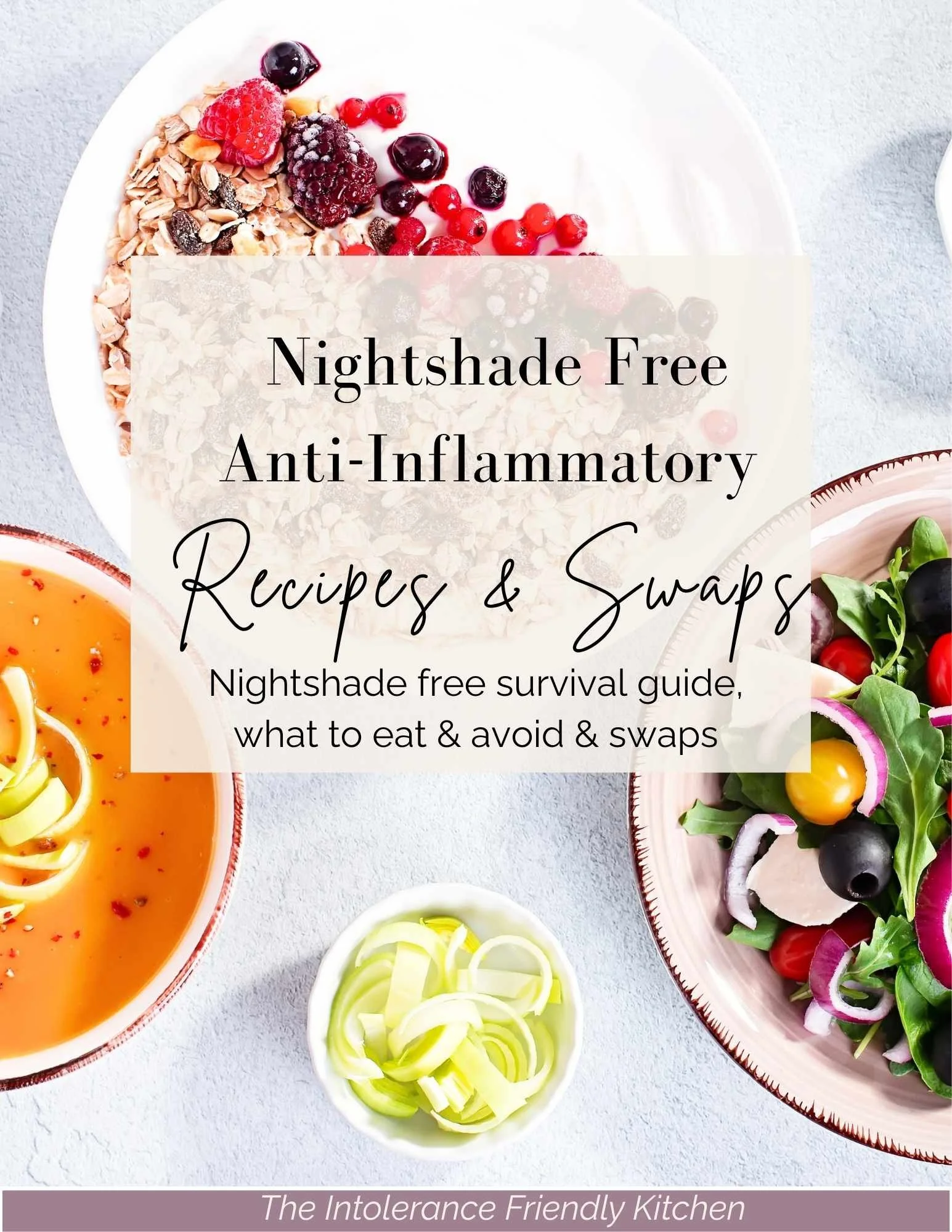
Nightshade Free Anti-Inflammatory Recipes You'll Actually Want to Eat
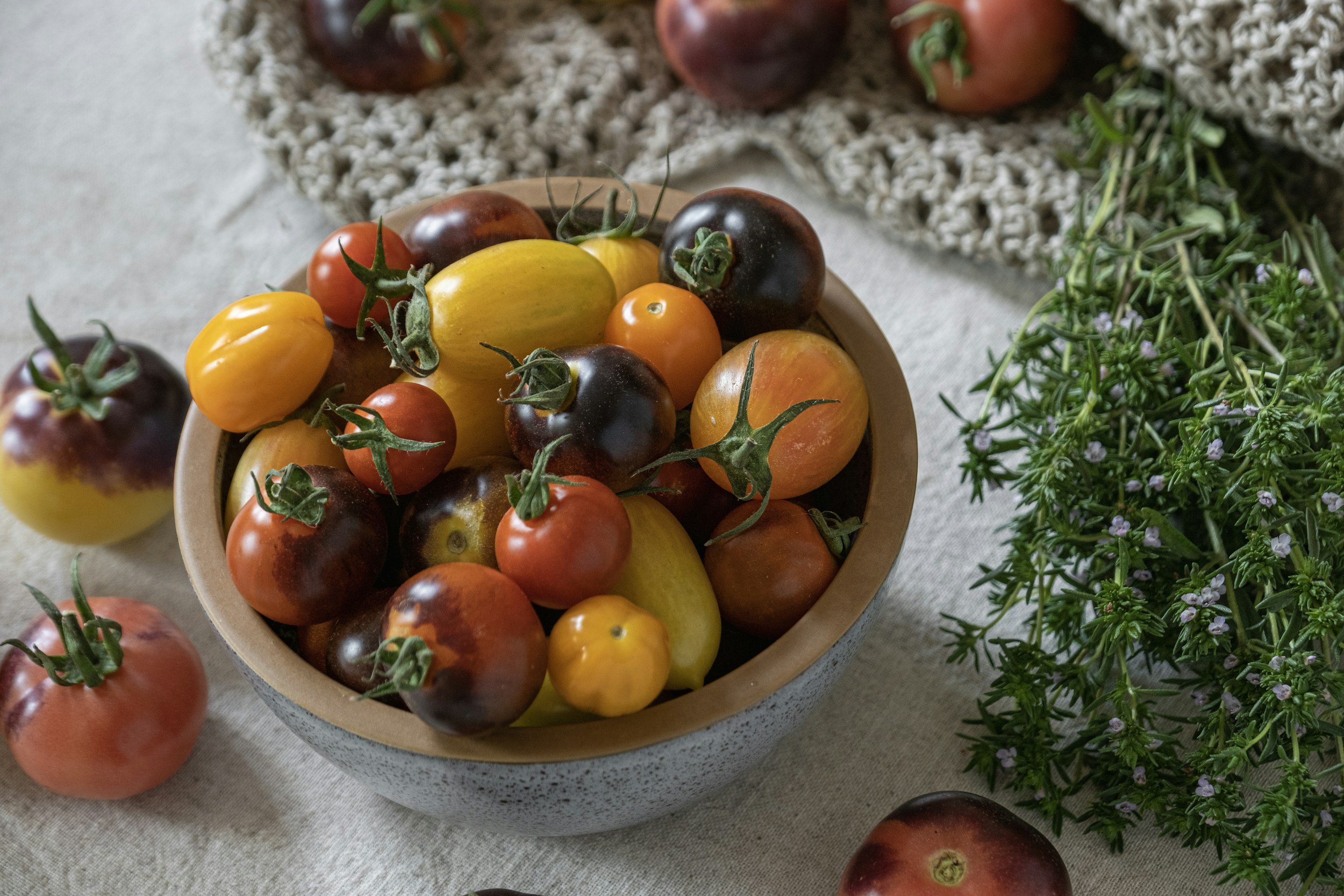
Are you searching for delicious nightshade free anti-inflammatory recipes that allow you to enjoy your meals without feeling like you are missing out?
You might have been advised to remove nightshade vegetables from your plate due to a food intolerance, much like I was. Alternatively, you may be exploring an anti-inflammatory diet to help manage persistent joint pain, skin rashes, or recurring digestive flare-ups. Regardless of your reasons, this guide is designed to support you on your journey.
What you'll find in this guide:
I have kept this resource practical and easy to follow. I provide an overview of what nightshades are, the core principles of an anti-inflammatory diet, and how to spot common hidden sources in your pantry. By following the steps of an elimination diet, you can identify which foods trigger your symptoms. After that, you will discover simple ingredient swaps, along with easy recipes for breakfast, lunch, dinner, snacks, and flavourful sauces.
If your symptoms feel serious, or if changing your eating habits causes significant stress, please speak with a GP or a registered dietitian for tailored support. You can also book a personal consultation with me if you need help finding recipes for multiple intolerances or dietary restrictions here.
Adopting this way of eating can feel awkward at the beginning, primarily because tomatoes and potatoes sit at the centre of many quick, familiar meals. Still, you can enjoy comfort food, rich sauces, and filling dinners without feeling deprived. Read on to find many nightshade free, anti-inflammatory meals that the whole family will enjoy.
I have written a beginner’s guide to a nightshade free diet with lots of useful information, and you can find that article here.
Key Takeaways
Understand the Basics: Nightshades, such as tomatoes, potatoes, peppers, and aubergines, can trigger inflammation or digestive issues in sensitive individuals due to naturally occurring alkaloids.
Identify Hidden Sources: Nightshades often appear in processed foods, gluten-free flour blends (via potato starch), and common seasoning mixes like paprika, cayenne, and curry powders.
Master the Swaps: You can achieve familiar flavours and textures by swapping potatoes for parsnips or cauliflower, and using ingredients like beetroot, carrots, and vinegar to replicate the sweetness and acidity of tomatoes.
Prioritise Whole Foods: An anti-inflammatory diet focuses on nutrient-dense staples like fresh vegetables, healthy fats, lean proteins, and anti-inflammatory herbs like turmeric and ginger to settle immune responses.
This article is for educational purposes only and should not be taken as medical advice. I am not a healthcare provider. If you have food allergies, intolerances, or experience any symptoms, please consult a qualified healthcare professional or allergist for proper guidance and support.
What is an anti-inflammatory diet?
An anti-inflammatory diet is a way of eating designed to reduce chronic inflammation in the body. This type of ongoing, low level inflammation is linked with several long term health conditions, including heart disease, specific types of cancer, and arthritis. By choosing an anti-inflammatory diet, you are making a proactive choice to support your long term wellness.
In everyday terms, this approach often reflects the Mediterranean or DASH style of eating. It prioritises nutrient-dense foods, such as fresh fruit and vegetables, healthy fats, nuts, and oily fish. These ingredients are rich in omega-3 fatty acids, which are essential for balancing the body's natural inflammatory response. At the same time, this way of eating limits ultra-processed items, added sugar, and red meat.
Inflammation is not always harmful; your immune system uses it as a protective mechanism. For example, when you sustain a cut or contract an infection, inflammation helps fight germs and repair damaged tissue. After an injury, infection, or exposure to toxins, your immune response switches on. As a result, you may notice redness, swelling, warmth, or pain for a short time. That fast response supports healing, so it is not something you want to block completely.
Adopting an anti-inflammatory approach does not require perfect eating every day. Instead, it is a steady pattern that focuses on whole foods. These choices help keep blood sugar steady, support gut health, and settle an overactive immune response.
Top Foods to Avoid for an Anti-Inflammatory Diet
Sugary Drinks & Foods: Soda, fruit drinks, sports drinks, sweetened teas, candy, cakes, cookies, and pastries.
Refined Carbohydrates: White bread, white pasta, white rice, flour tortillas, and crackers.
Processed & Red Meats: Bacon, sausage, hot dogs, bologna, pepperoni, salami, and fatty cuts of beef or pork.
Fried & Fast Foods: French fries, fried chicken, doughnuts, and fast-food items.
Unhealthy Fats (Trans & Saturated): Margarine, shortening, lard, butter, cream, and full-fat dairy products like cheese.
Processed Snacks: Chips, pretzels, and many packaged microwave foods.
Why These Foods Cause Inflammation
These items are typically high in calories, trans fats, or sugar, which increase low-density lipoprotein (LDL or "bad") cholesterol and trigger fat tissue inflammation. Pro-inflammatory diets are often linked to chronic illnesses like heart disease, diabetes, and autoimmune conditions.
What Are Nightshades And Should You Avoid Them?
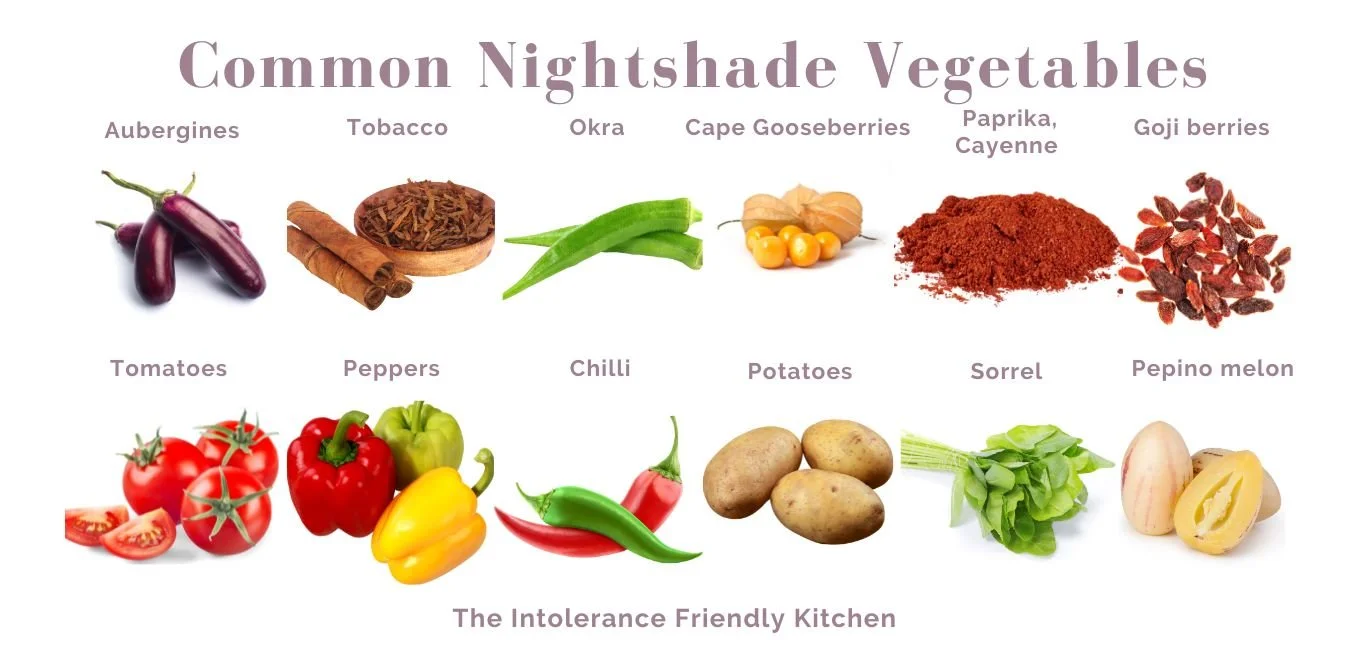
Nightshade vegetables, which belong to the Solanaceae family, are not inherently bad. In fact, they are nutrient-dense foods packed with a variety of essential vitamins, antioxidants, and minerals. Common nightshade vegetables that many of us eat on a daily basis include:
Tomatoes
Peppers
Potatoes
Aubergines
Goji berries
Ashwagananda (An adaptation herb)
Cape gooseberries
Tobacco
Who should avoid nightshade vegetables?
People with specific food sensitivities or intolerances, such as myself, may find that avoiding the Solanaceae family provides significant relief. This is particularly relevant for those living with an autoimmune disease or chronic inflammatory conditions, such as arthritis, psoriasis, and inflammatory bowel diseases like Crohn’s disease.
These plants contain naturally occurring chemical compounds called alkaloids, such as solanine, which can trigger flare-ups, joint pain, or digestive issues for sensitive individuals. For example, I often experience skin rashes or swelling, particularly under my eyes and across my upper cheeks, whenever I consume nightshade vegetables. If you are experimenting with an anti-inflammatory diet, it is important to be mindful of hidden sources, including the goji berries often found in health snacks, to see if your symptoms improve.
Foods to Avoid on an Anti-Inflammatory, Nightshade Free Diet
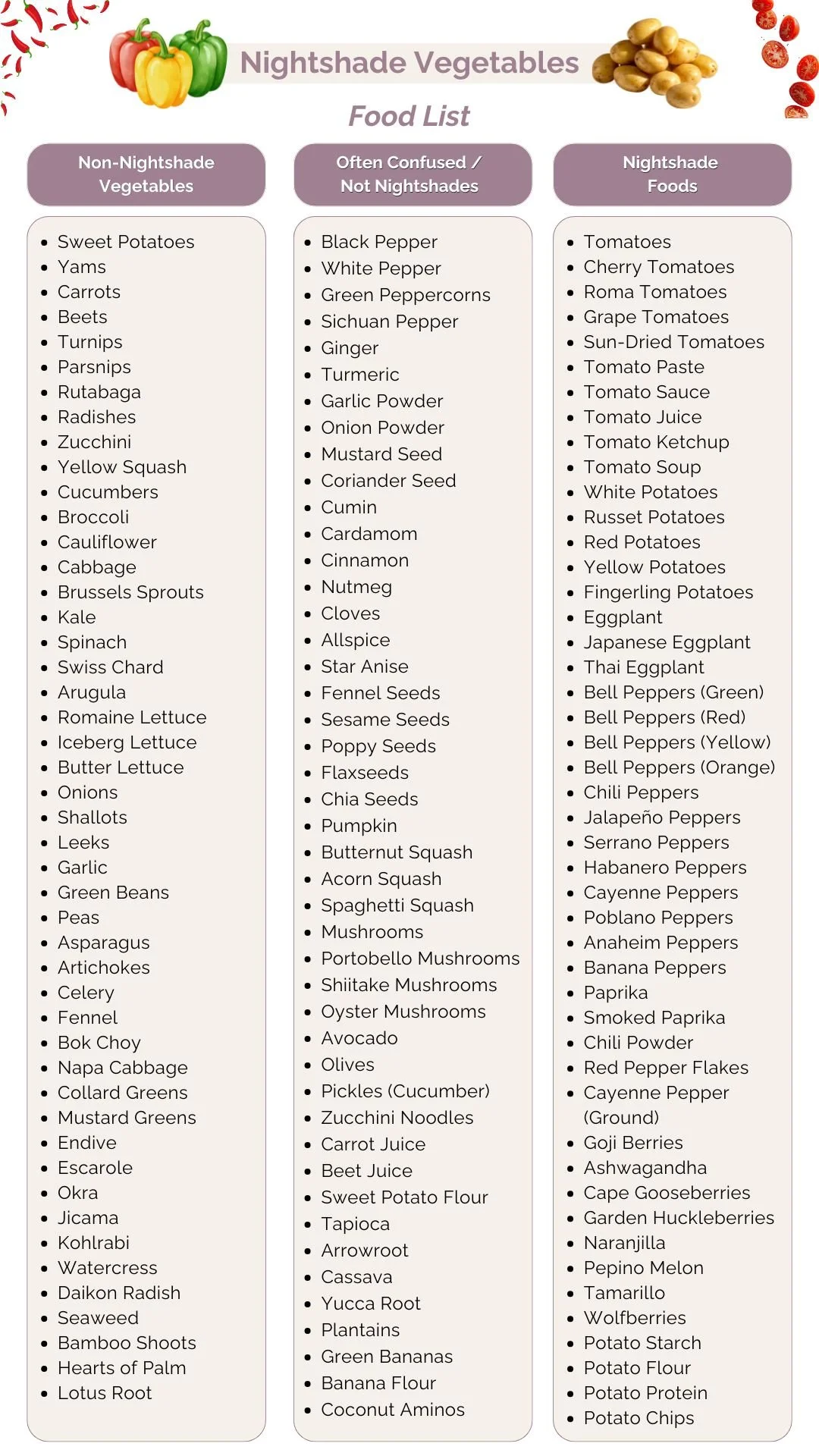
The foods to avoid on a nightshade free diet are any foods that contain potatoes, tomatoes, bell peppers, aubergines, and goji berries. If you are looking for a more comprehensive list of nightshade vegetables, , download this PDF here.
Most alkaloid compounds are present in the leaves, stems, flowers, skin, and seeds, so avoiding these parts of the plants can reduce alkaloid exposure. I find that when I eat a raw tomato, I get some horrible, painful pimples, but if I eat ketchup or a curry with cooked tomatoes from a tin or puree, then my symptoms are not so bad.
However, I can still only tolerate small amounts; if I go overboard, then I experience symptoms. It is hard being a chef who loves food. Sometimes, I go into screw it mode and eat whatever I fancy only to regret it later. It can be a hard balance at times.
Take a look at some tips that might help reduce your symptoms:
Peel potatoes and remove any green areas or sprouts, as these parts contain higher alkaloid levels.
Remove seeds from tomatoes if you are sensitive, as they may contain more alkaloids.
Choose ripe produce to avoid higher alkaloid levels found in unripe nightshades.
Cook nightshades rather than eat them raw. Cooking reduces alkaloid content and may be easier to digest.
The tips I suggested would NOT be suitable for someone with an allergy.
Please always consult with a healthcare practitioner if you are making any changes to your diet.
Nightshades to skip, plus sneaky places they show up
Tomato: passata, chopped tomatoes, purée, ketchup, pizza sauce, many soups
White potato: chips, crisps, mash, potato starch (often in processed foods and most gluten-free flour blends)
Peppers: bell peppers, pimentos, roasted pepper spreads, seasoning on crisps
Chilli: chilli flakes, hot sauce, many "spicy" marinades
Aubergine: baba ganoush (contains chilli and aubergine)
Spices and blends: paprika, cayenne, chilli powder, some curry powders, peri-peri mixes, some garam masala blends that contain chilli
Label terms to watch: "spices" on seasoning blends, capsicum, paprika extract, chilli
If you're buying hummus, sausages, burgers, ready soups, or spice rubs, glance at the ingredients. Paprika turns up in places you'd never expect.
How to Eat a Nightshade Free Anti-Inflammatory Diet
Start by building meals around a simple base: protein, fibre-rich carbs, healthy fats, and a big pile of veg. Then use acidity (lemon, vinegar) and herbs to bring meals to life, since chilli heat and tomato tang will not be doing that job.
Nightshade-free, anti-inflammatory staples that tend to work well include oats, quinoa, brown rice, lentils, chickpeas, leafy greens, mushrooms, onions, garlic, courgette, carrots, beetroot, cauliflower, broccoli, berries, olive oil, nuts, seeds, and oily fish.
Easy swaps that keep meals comforting and filling
Potatoes and tomatoes do two jobs: they add comfort, and they add flavour. Your swaps need to do the same.
For potato comfort: white sweet potatoes, cauliflower, celeriac, parsnip, swede, and squash, or polenta which tastes like creamy mash.
For tomato sweetness: roasted carrots, pumpkin, butternut squash, beetroot, and pomegranate is great to use in salads as a substitute.
For brightness and acidity: lemon juice, lime, cider vinegar, and balsamic vinegar (a little goes far).
For warmth without chilli: ginger, turmeric, cumin, coriander, cinnamon, black pepper, wasabi, and horseradish.
For a creamy base: coconut milk, Greek yoghurt, tahini, blended cauliflower, and cashew cream.
Nightshade-free cookery books & guides
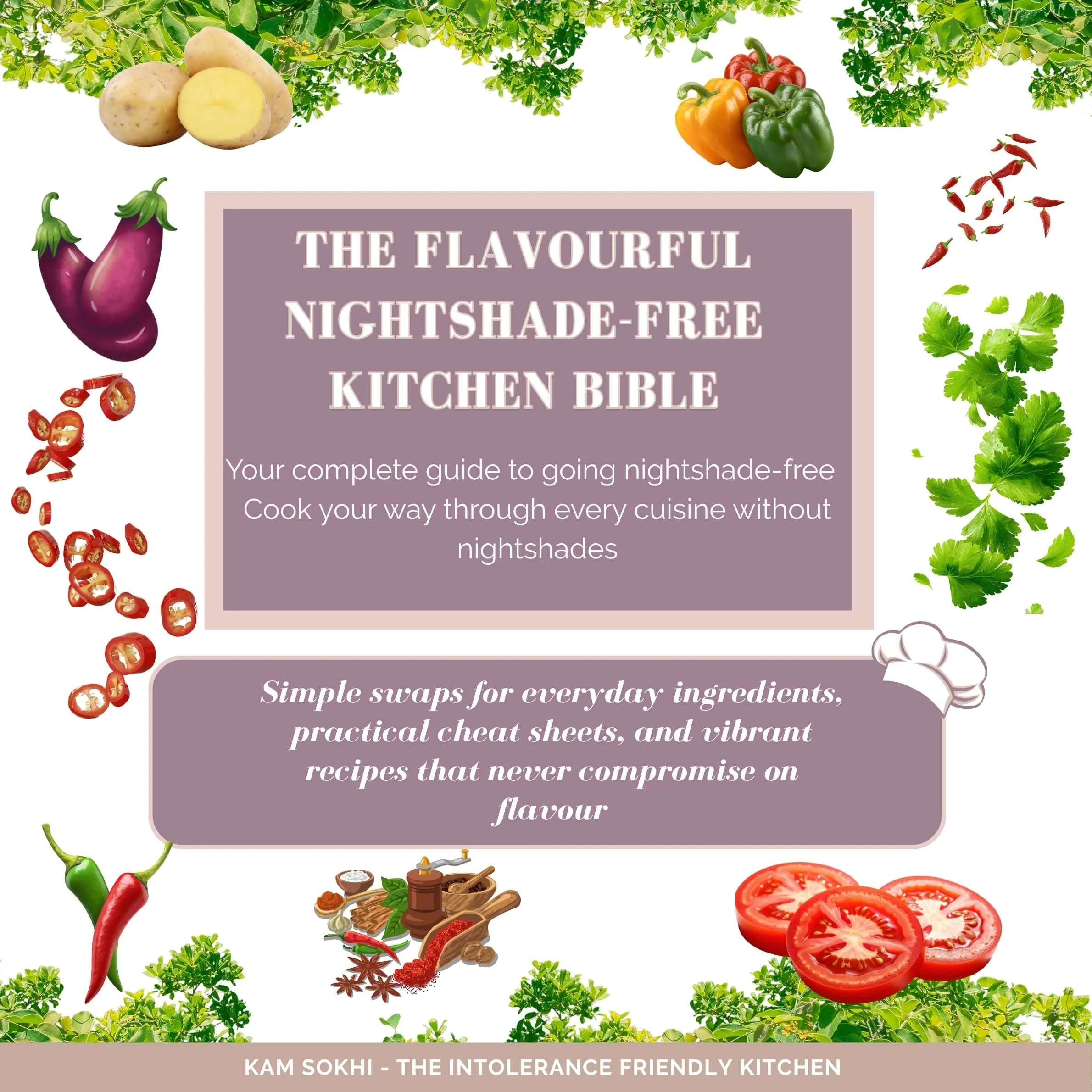
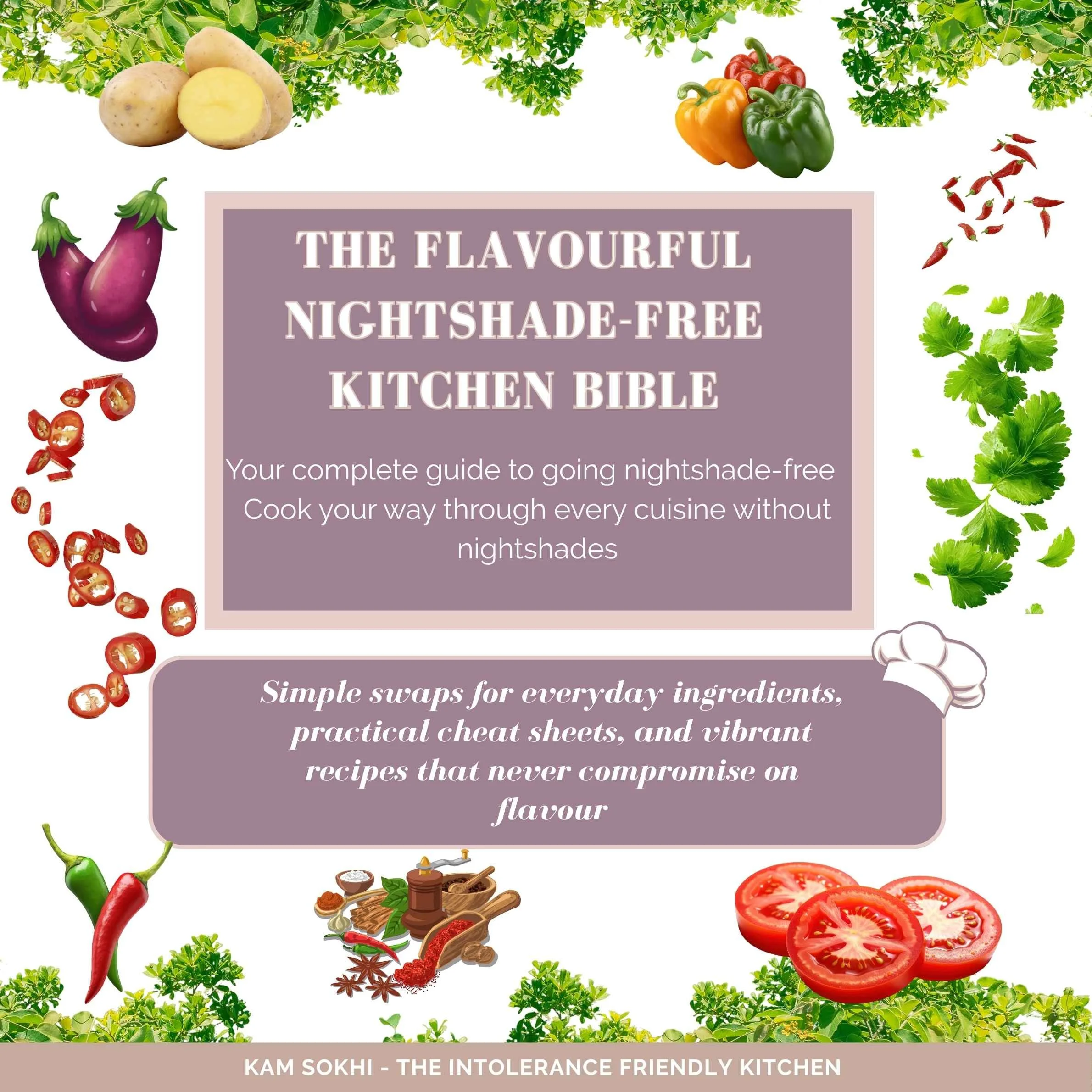
Featuring popular recipes recreated without tomatoes, peppers, potatoes, or aubergines. Enjoy favourites like pizza, “no-mato” sauce, Thai red and green curries, lasagne, hash browns, chips, and so many more dishes you may have thought were off the menu for good.These recipes are carefully developed without nightshades, so you can enjoy your favourite foods again without compromise
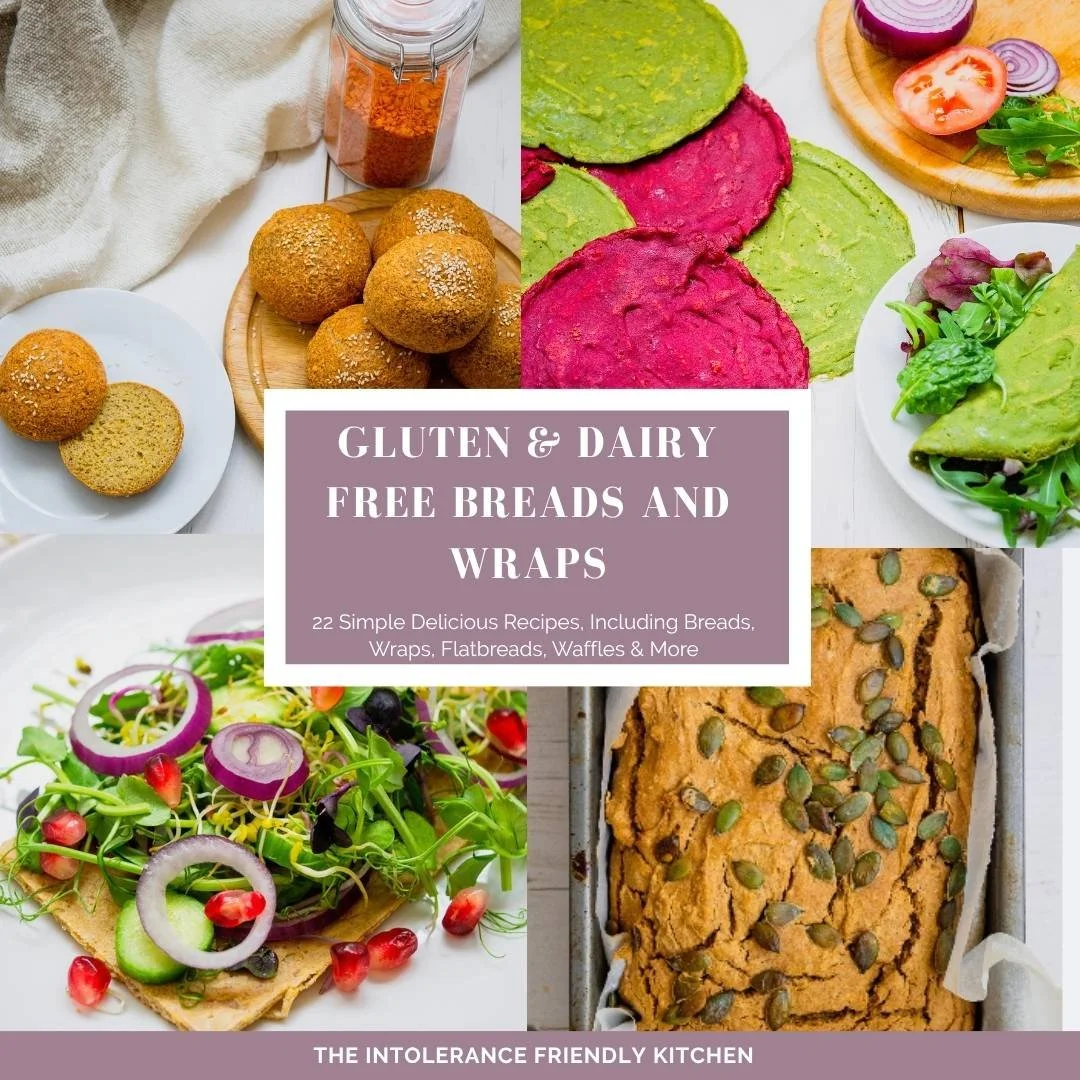
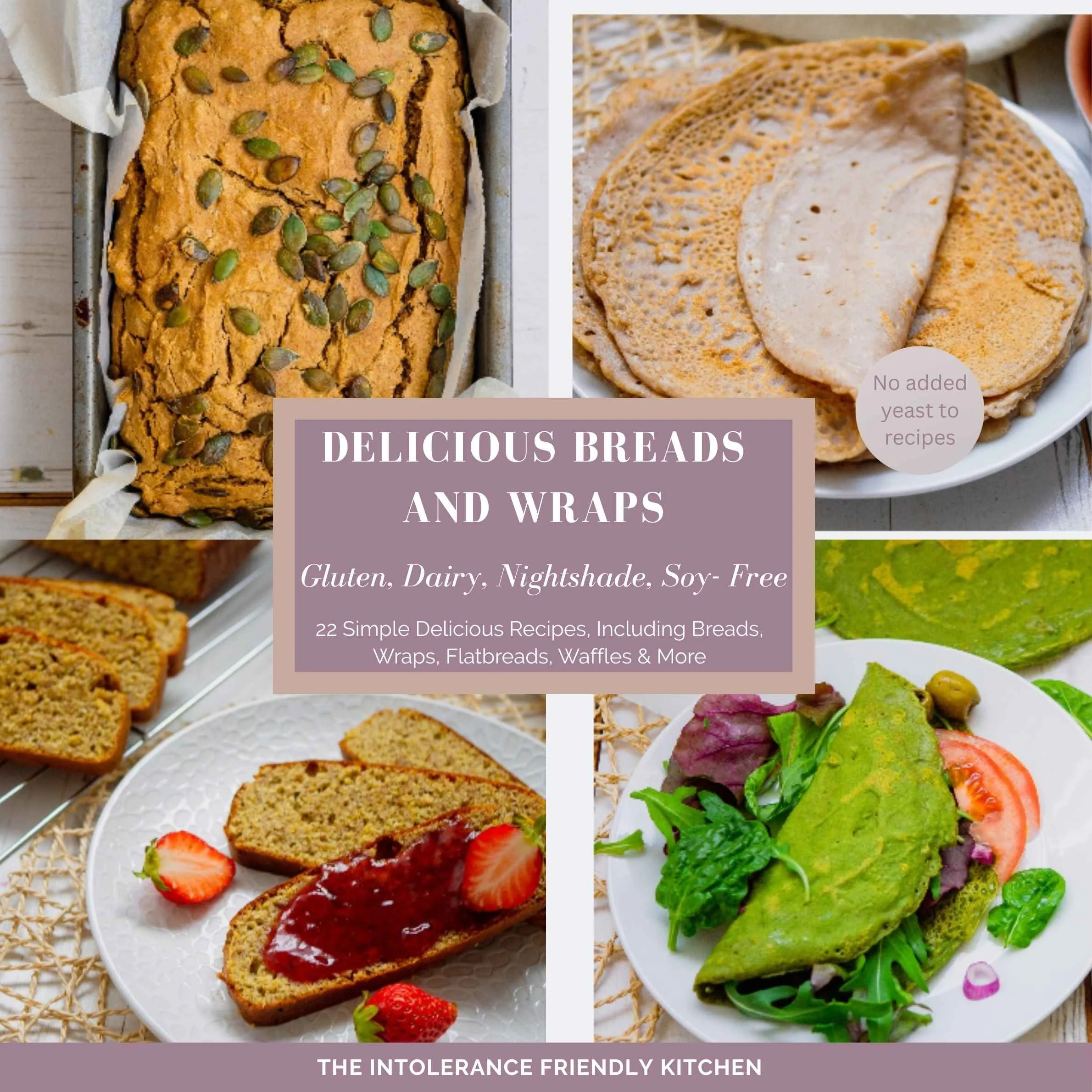
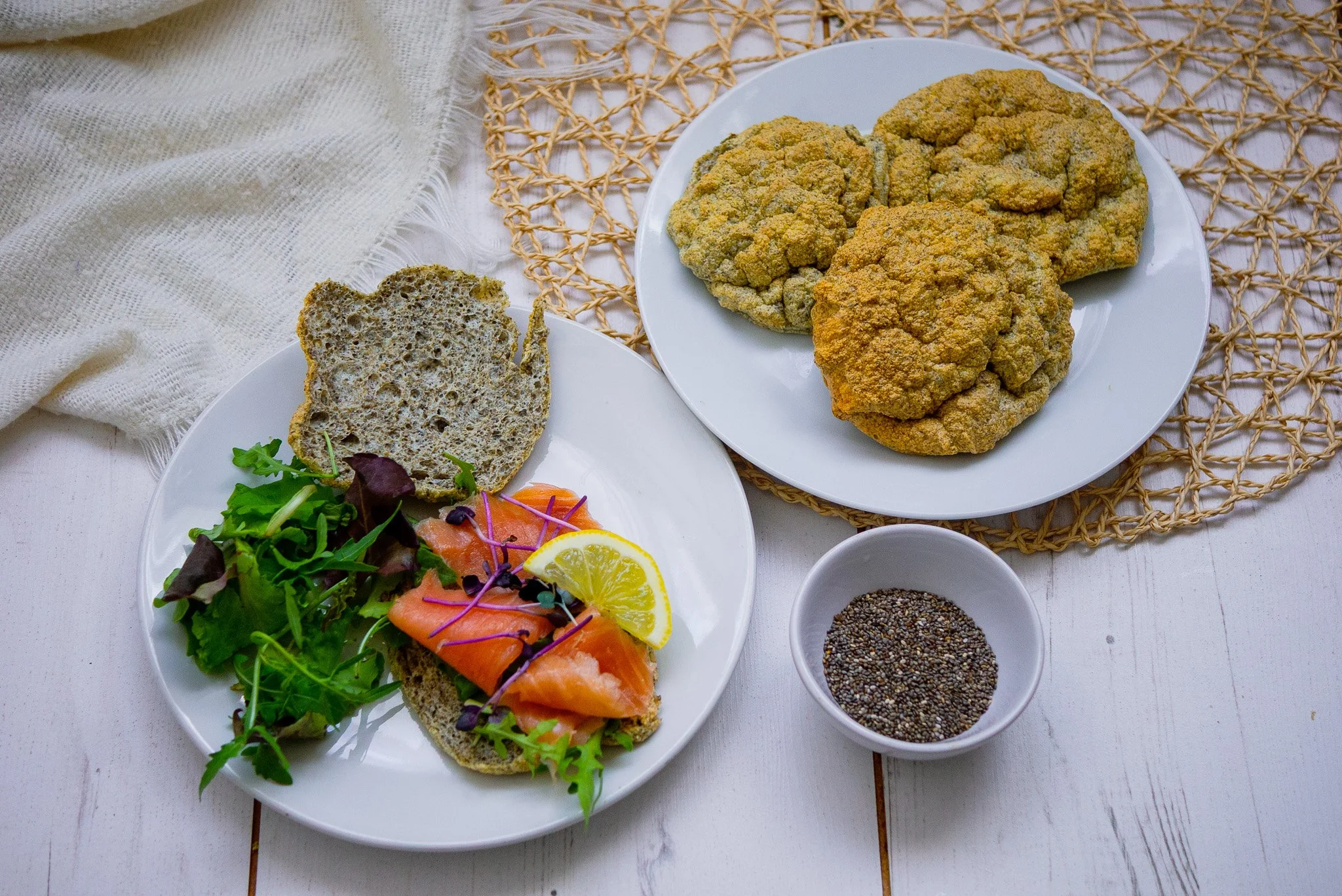
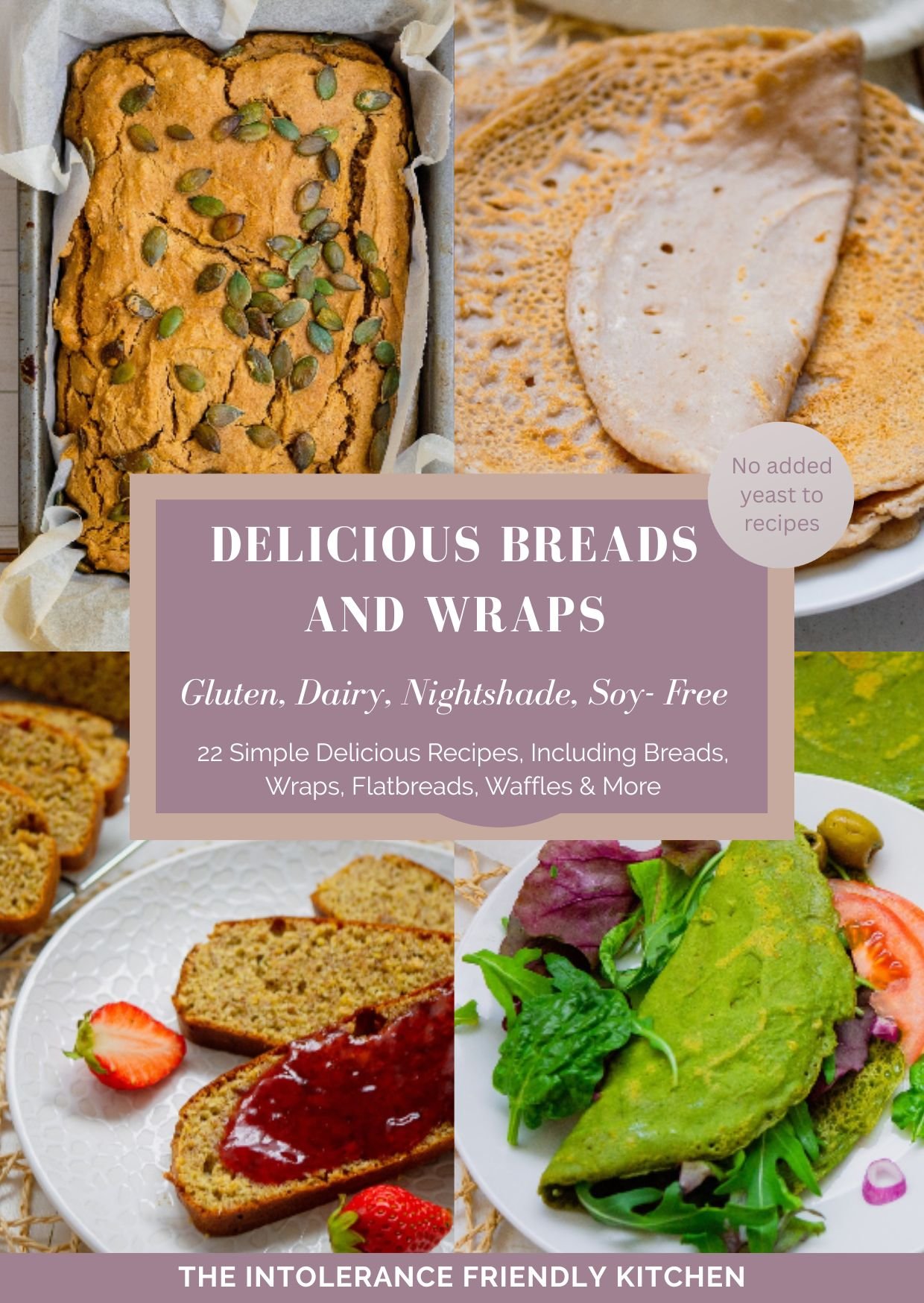
Take a look at my breads and wraps eBook below, which is completely gluten-free and made without typical gluten-free flour blends, which often contain potato starch.
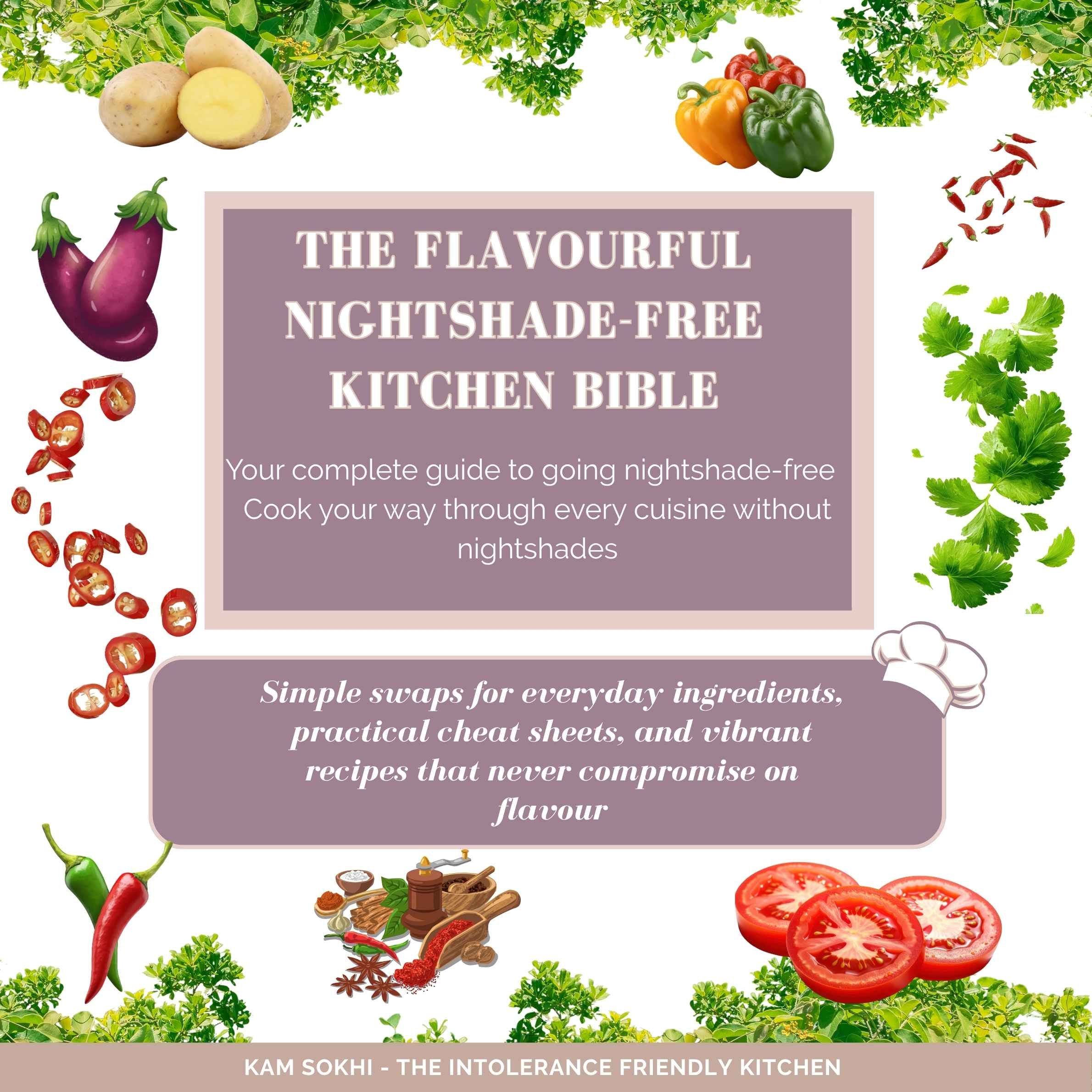
The Flavourful Nightshade-Free Kitchen Bible is your practical, flavour-packed guide to navigating a nightshade-free lifestyle without feeling restricted or overwhelmed. Designed to help you confidently recreate the foods you love, this ebook is packed with simple ingredient swaps, hidden nightshade guides, flavour-building tips, and accessible alternatives that make nightshade-free cooking easier, more enjoyable, and full of flavour.
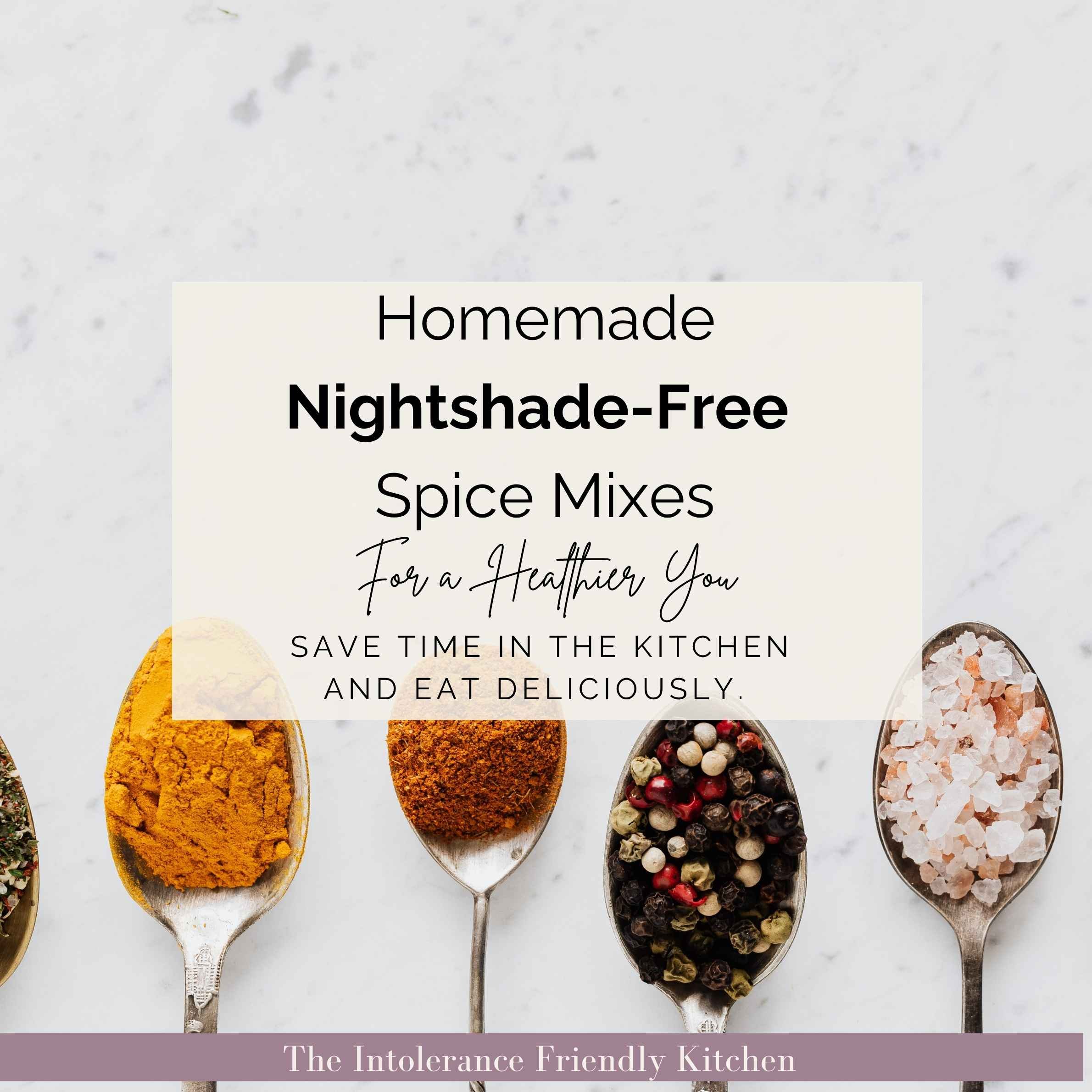
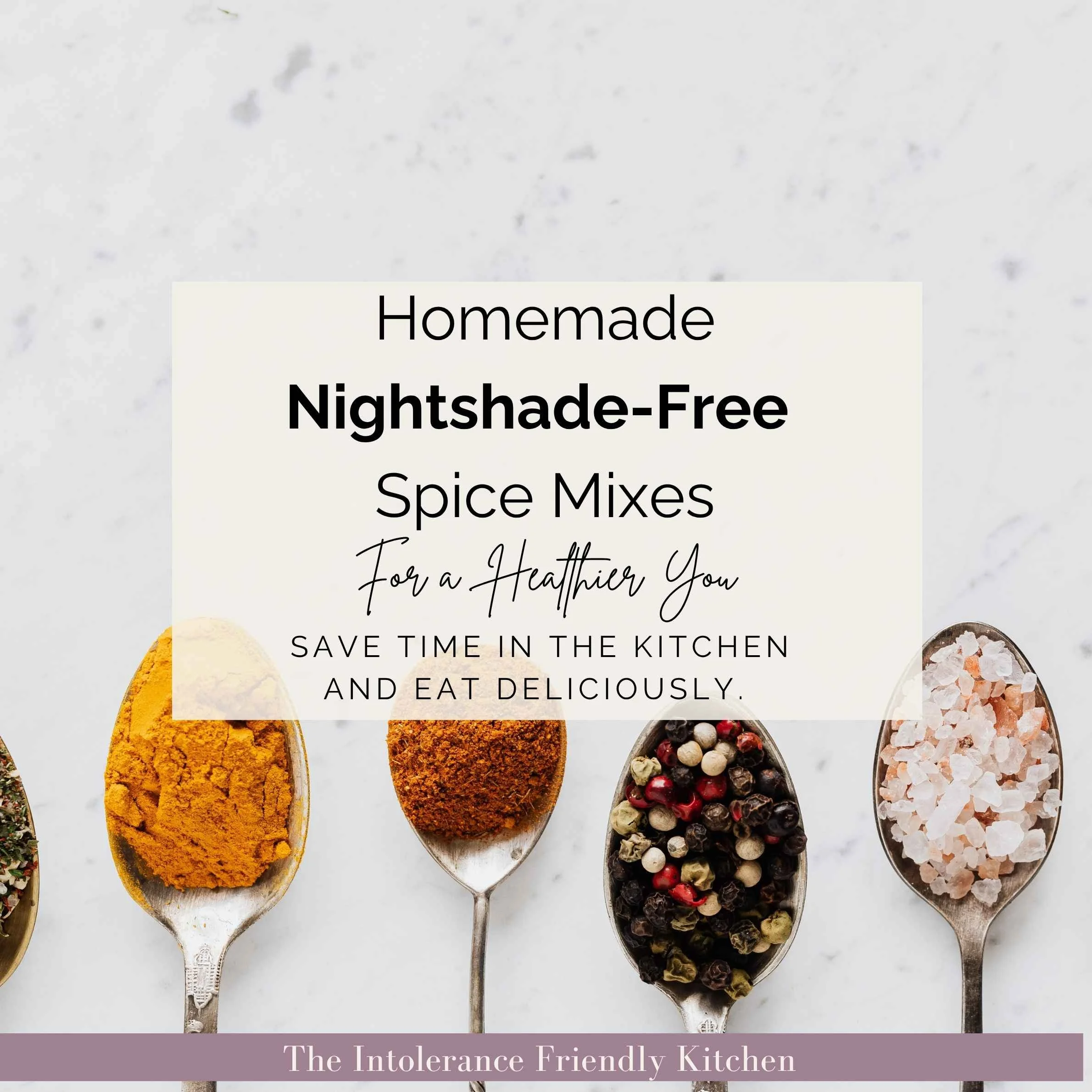
Love bold flavours but can’t tolerate nightshades? Discover 16 easy homemade nightshade-free spice blends, including garam masala, taco seasoning, BBQ rubs, jerk seasoning, and more. Transform your cooking with simple, flavour-packed spice mixes designed to bring depth, warmth, and delicious flavour back to your meals.
Common Nightshade Breakfast Foods
Potato-Based Dishes: Hash browns, home fries, diced potato scrambles, and breakfast potatoes.
Egg Dishes with Veggies: Scrambled eggs, omelettes, or frittatas containing bell peppers, tomatoes, serrano peppers, jalapenos, or potatoes.
Breakfast Meats: Many sausages, bacon, and breakfast patties contain paprika, cayenne pepper, or red pepper flakes.
Salsa and Sauces: Huevos rancheros, breakfast tacos, breakfast burritos, and anything served with red salsa or hot sauce.
Tomato Items: Sliced tomatoes, grilled tomatoes, or cooked tomato-based dishes.
Spiced Blends: Any breakfast food using curry powder or chilli powder.
Hidden Nightshades to Watch For
Paprika: Commonly hidden in spiced sausage.
Potato Starch: Often found in gluten-free products, such as GF pancakes, waffles, or breads.
"Spices" or "Natural Flavours": These on a label can sometimes indicate the presence of cayenne or paprika.
Nightshade-Free Breakfast Alternatives
If you are avoiding nightshades, consider these options:
Sweet Potatoes: Use sweet potatoes as a substitute for white potatoes in hashbrowns.
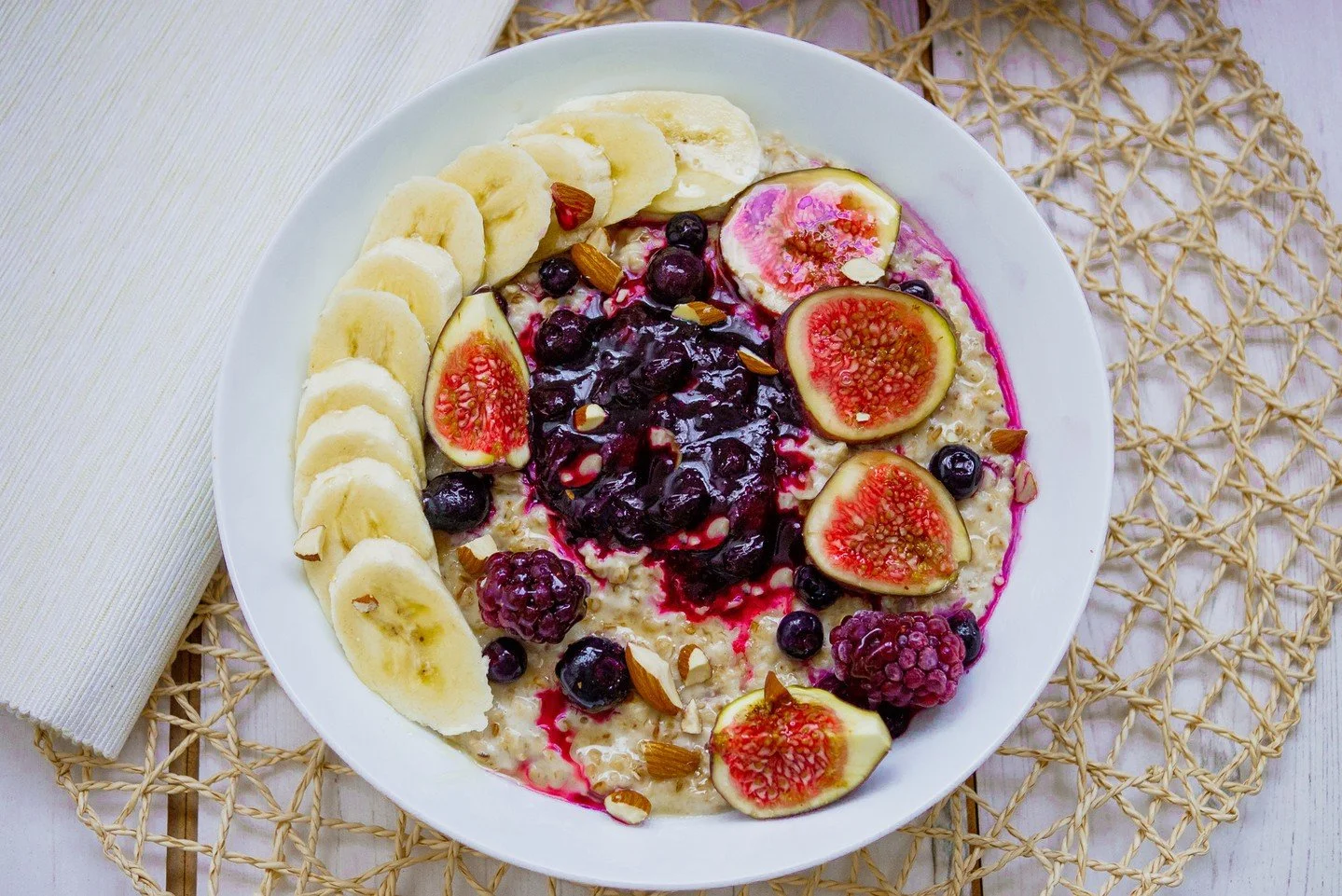
Fruit/Porridge: Porridge with fruits (excluding goji berries).
Eggs with Alternatives: Eggs with Courgettes, mushrooms, or onions instead of peppers and tomatoes.
Leafy Greens: Spinach, kale, or Swiss chard added to scrambles.
Spices: Use salt, garlic powder, onion powder, turmeric, or cumin instead of red spices.
Yoghurt: If you cannot eat dairy, like me, check the label ingredients as some dairy-free yoghurts use potato starch as a thickener. I use Coyos yoghurt, which uses tapioca starch instead.
Note: Sweet potatoes, black pepper, and white pepper are not nightshades.
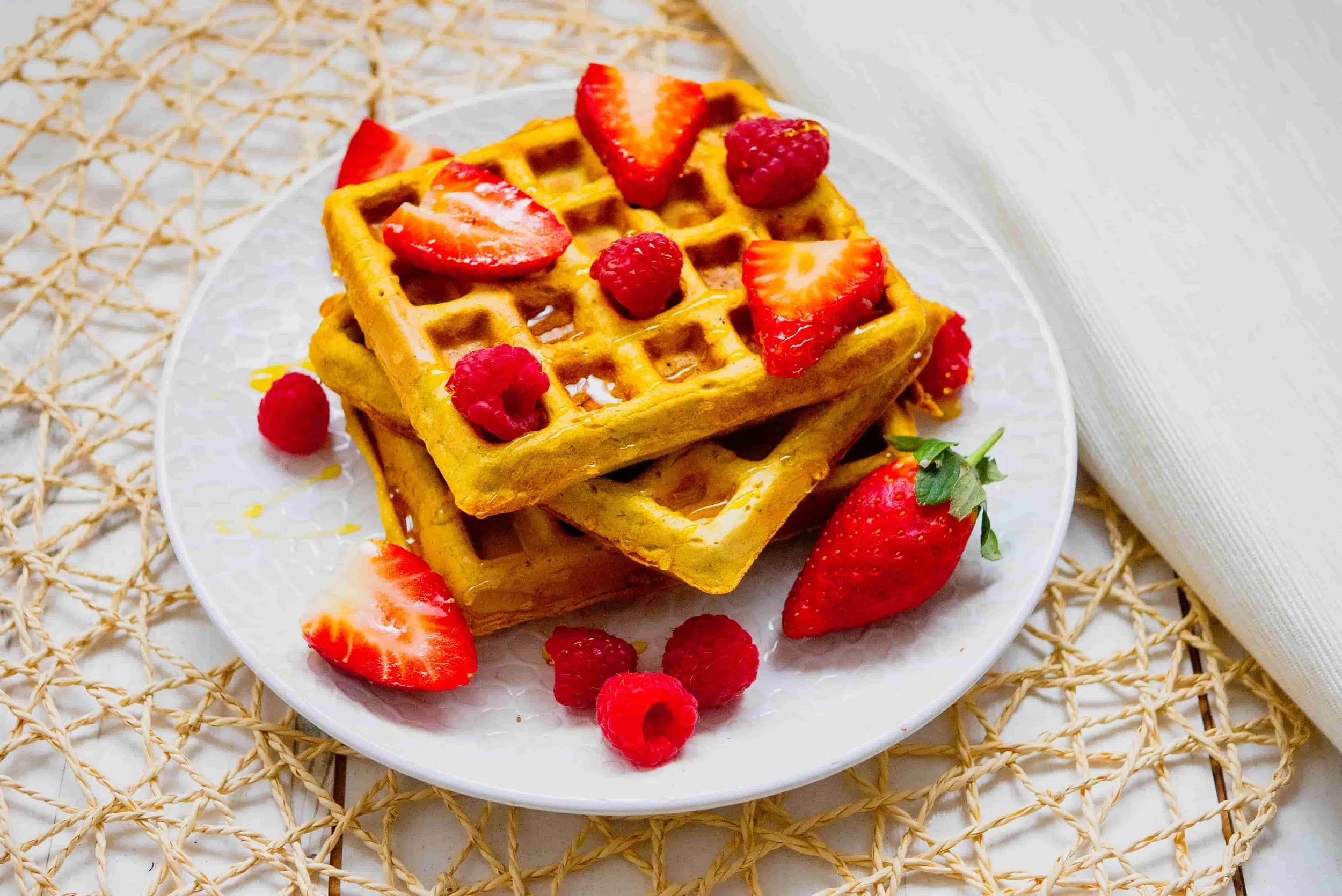
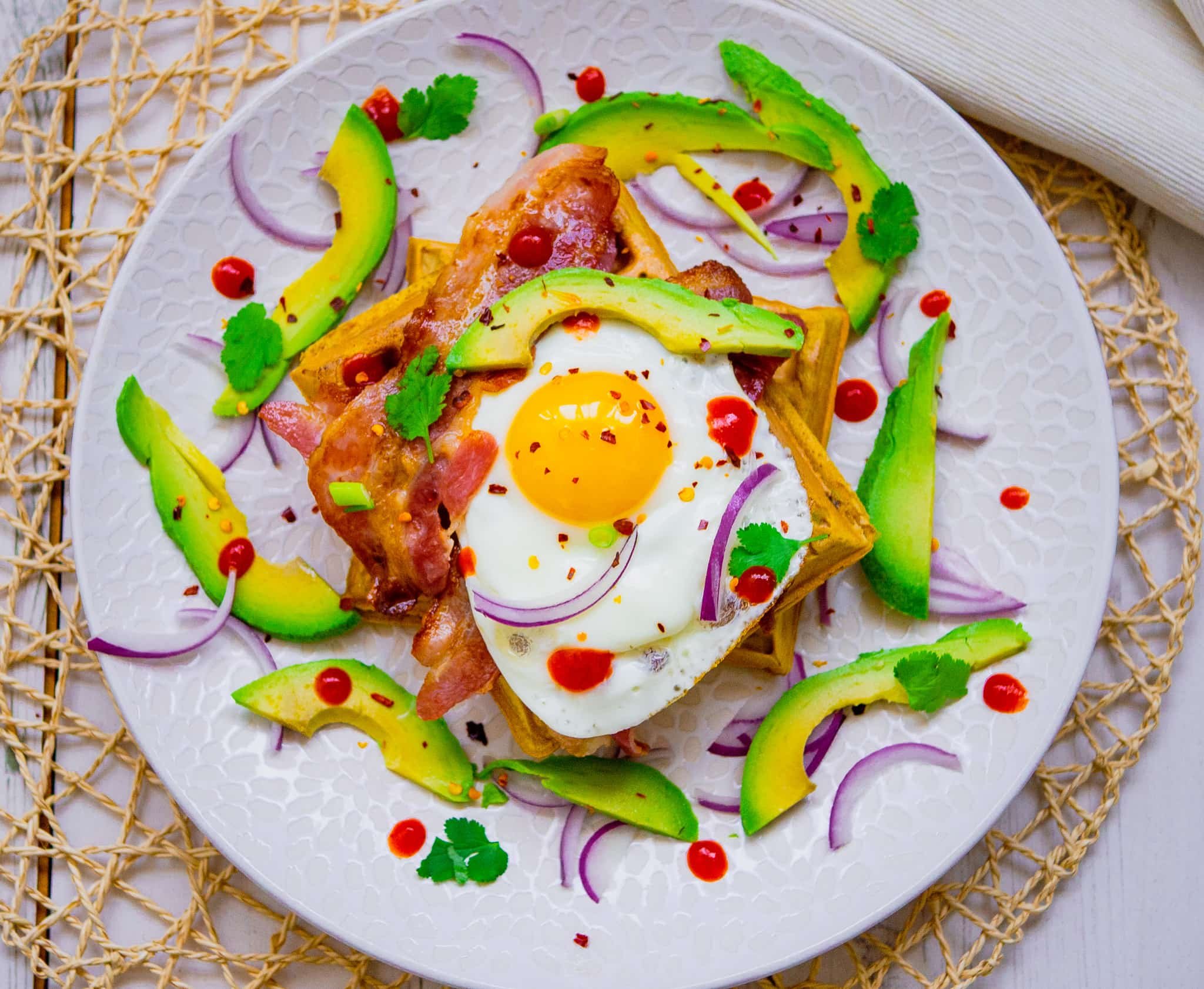
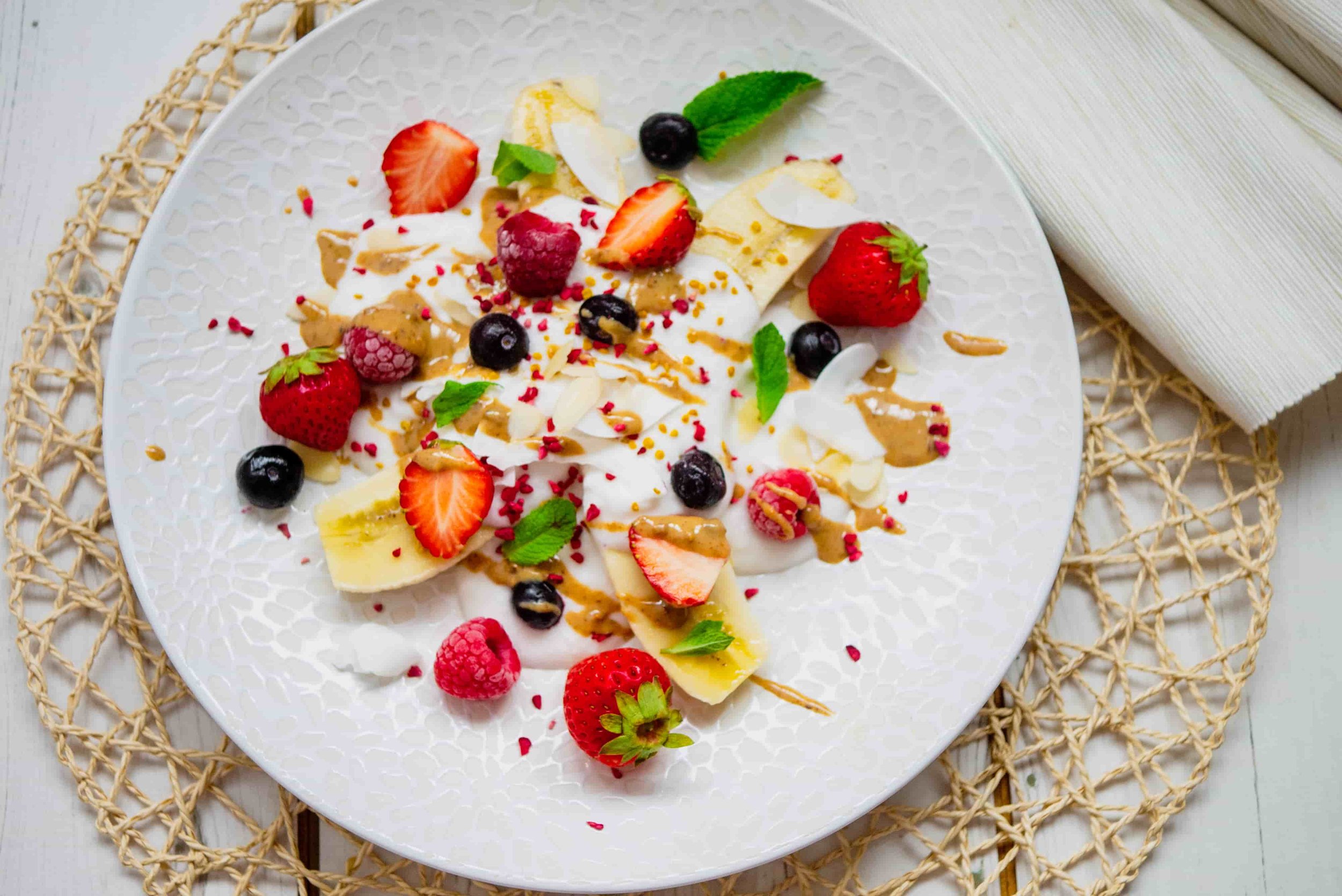
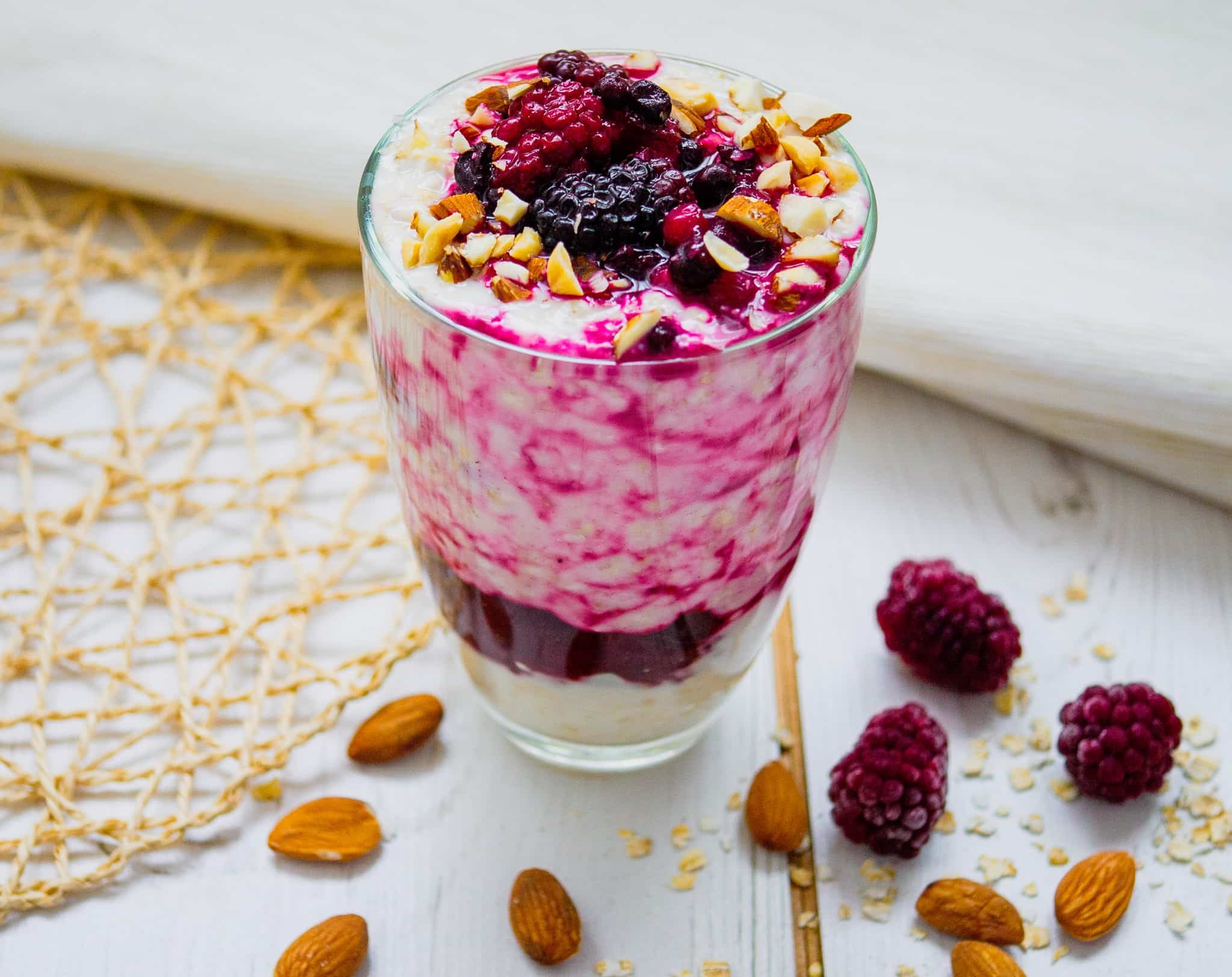
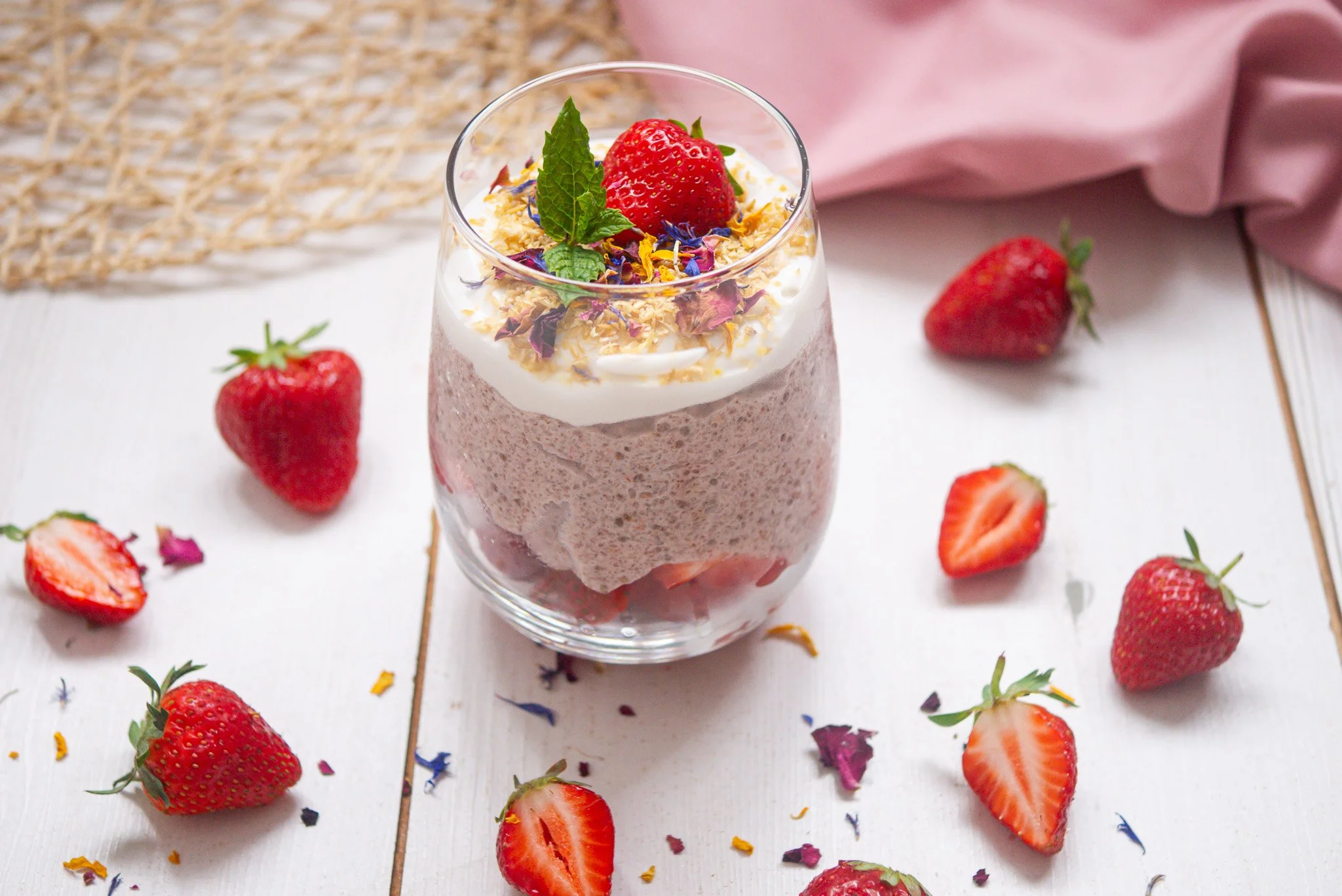
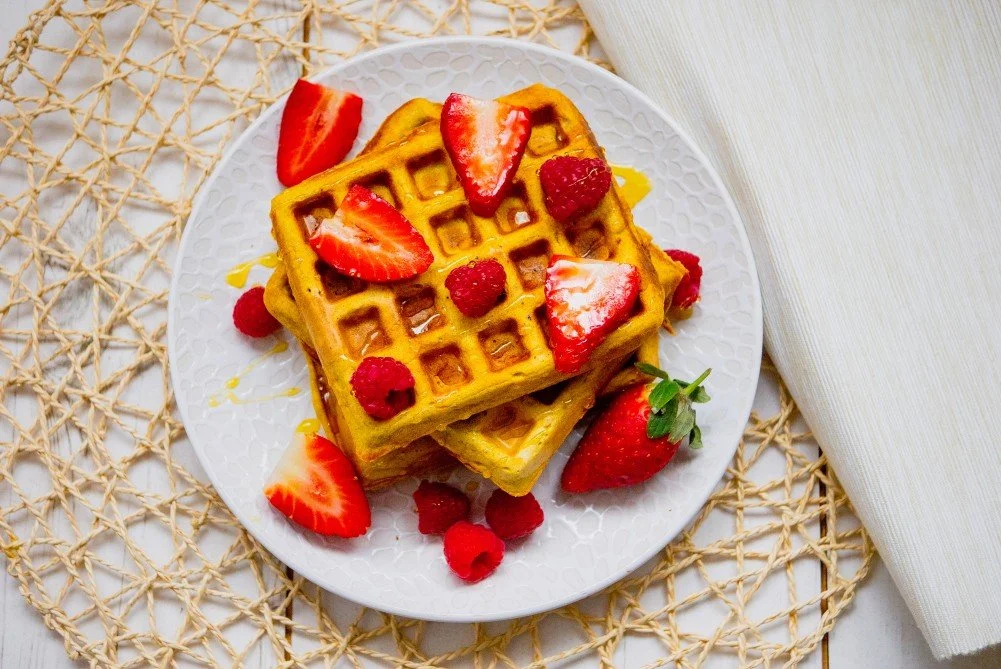
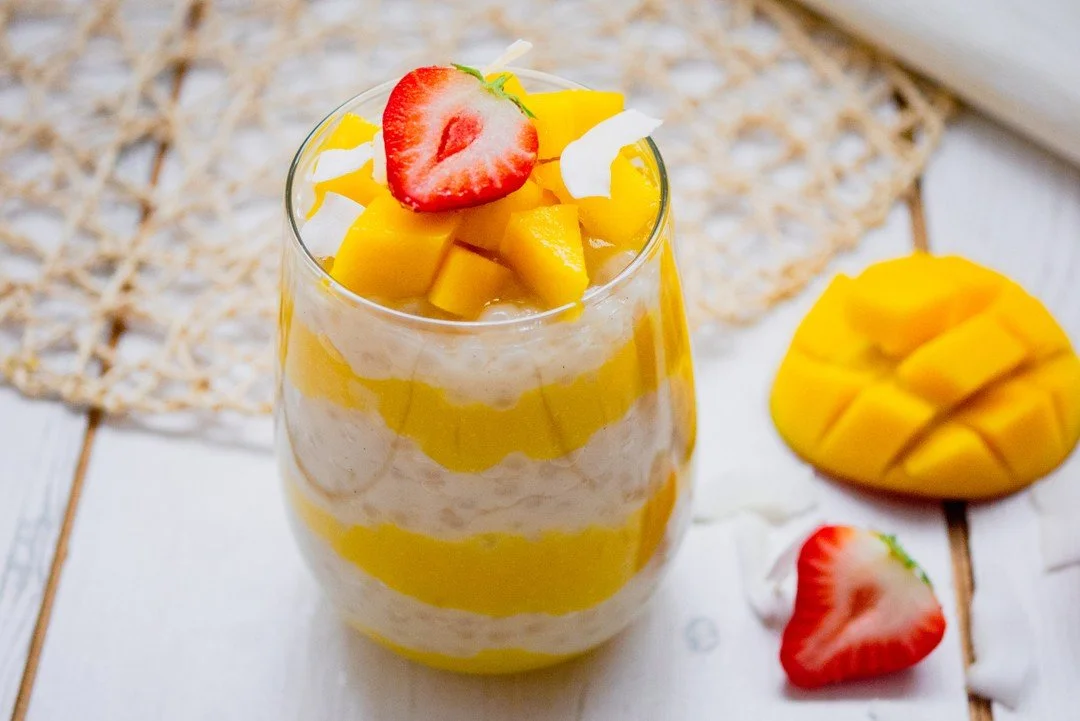
Nightshade-free breakfast recipes
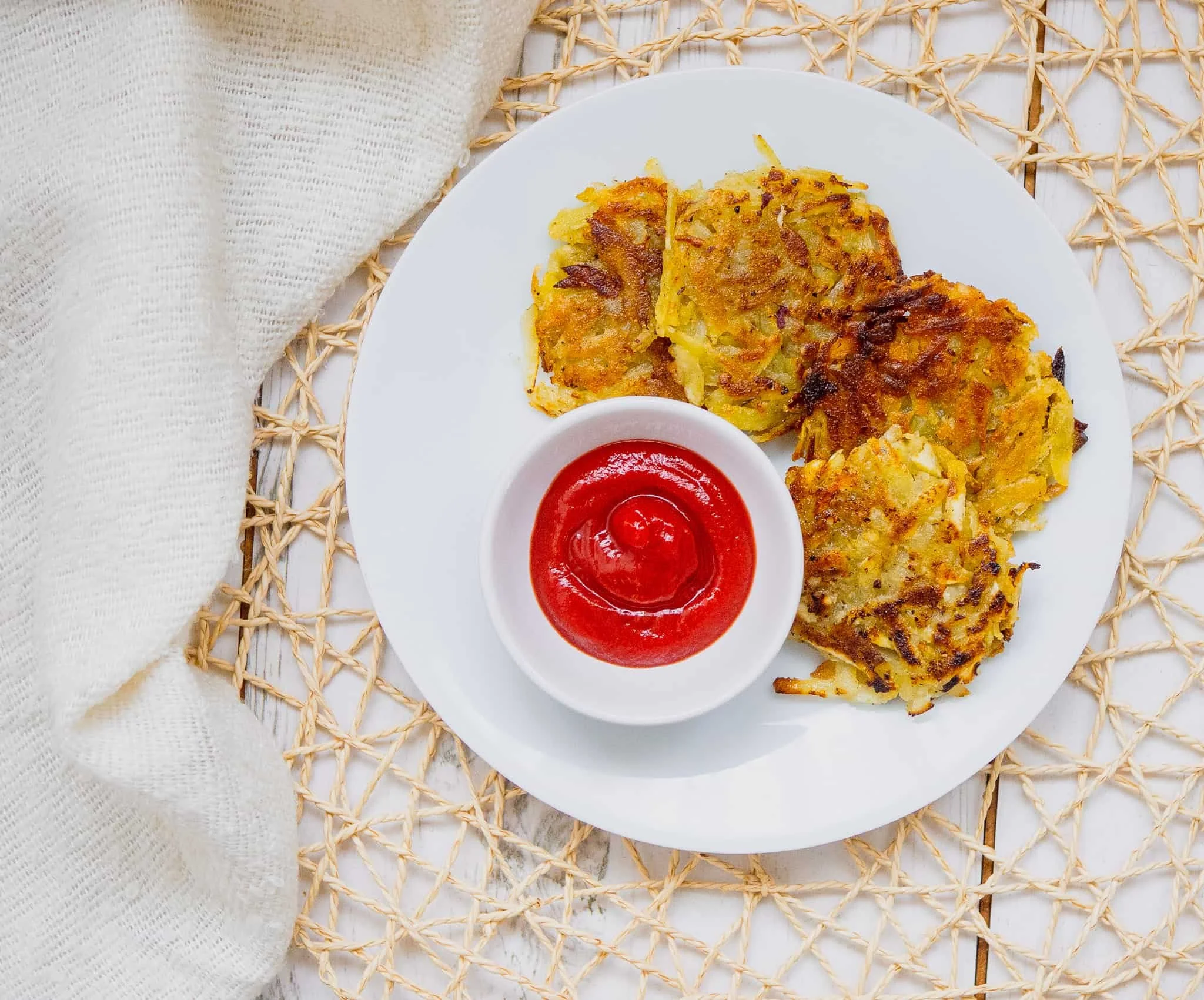
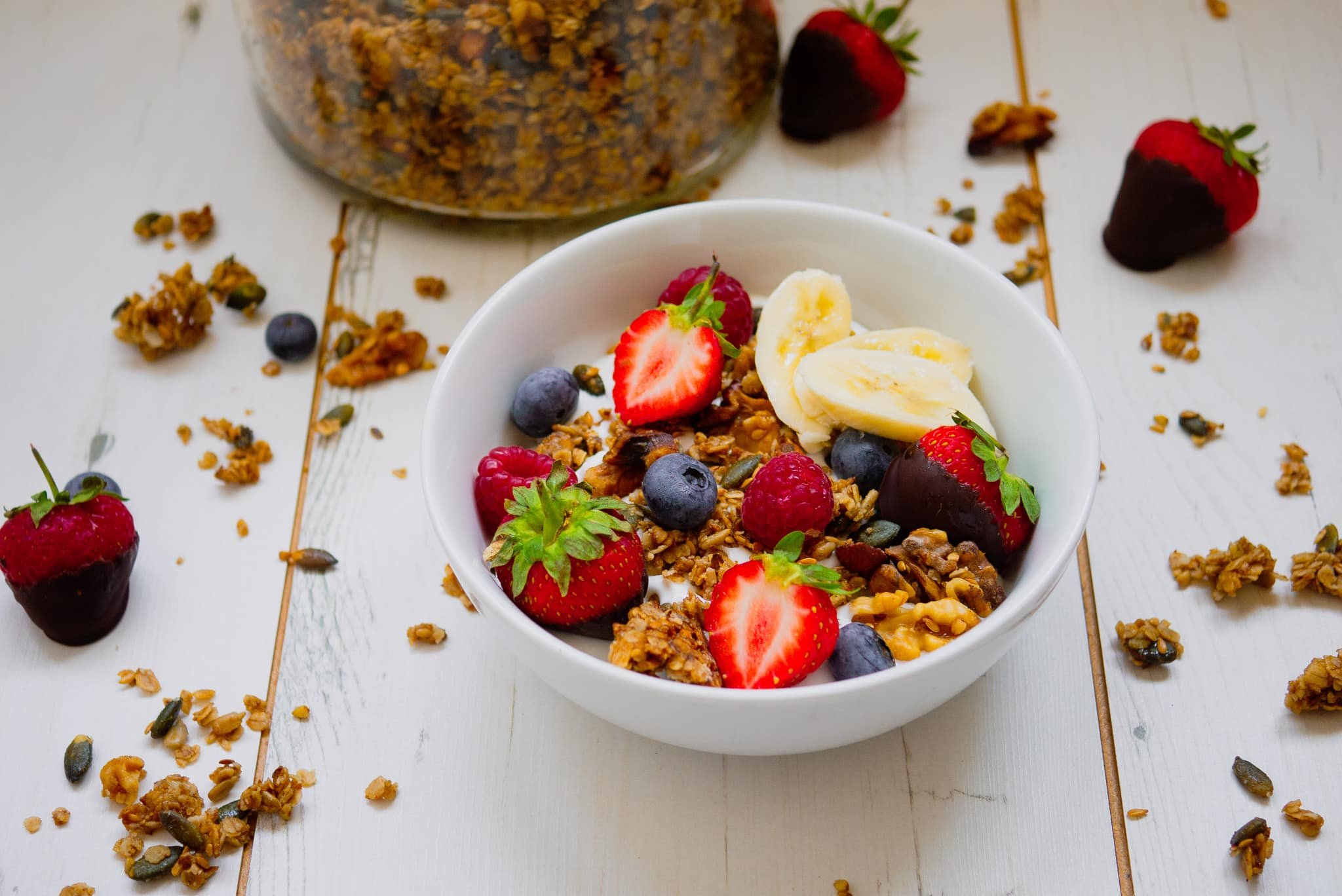
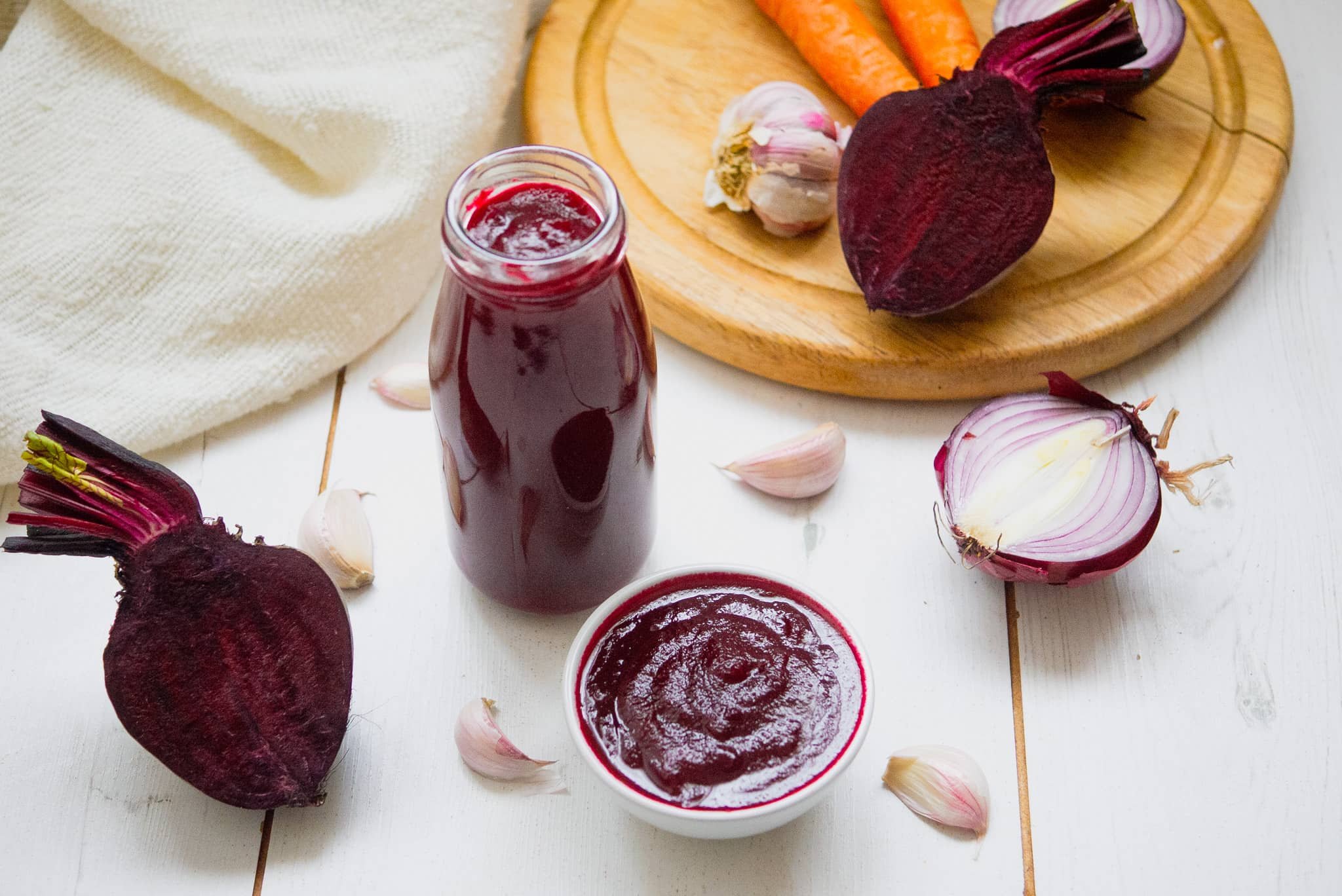
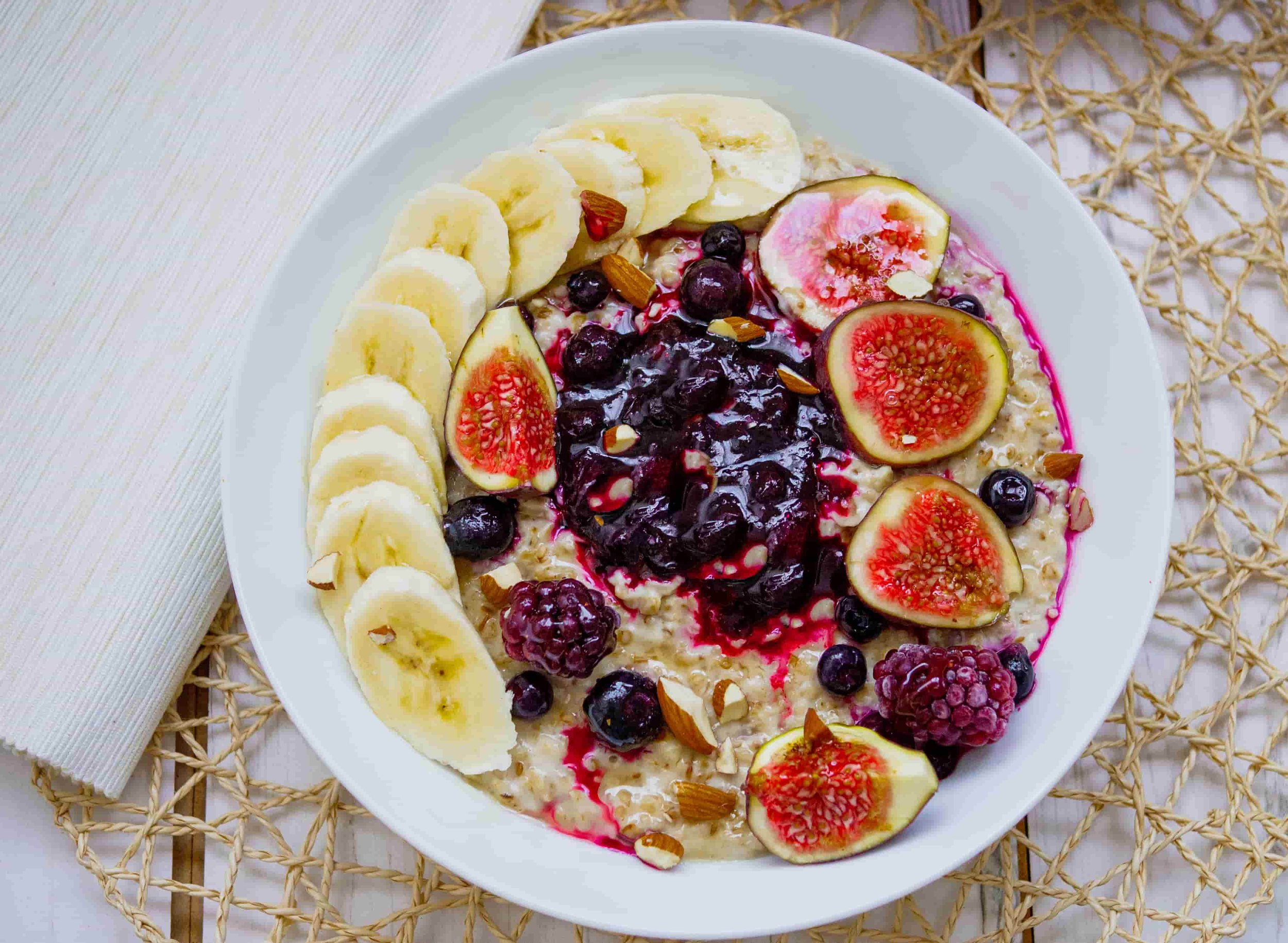
Nightshade-free breakfast recipes that do not rely on peppers, potatoes or tomatoes. Click on the pictures to be redirected to the recipes.
Common Lunch Items with Nightshades:
Italian: Pizza, pasta with marinara sauce, lasagna, and dishes using red pepper flakes, cayenne or paprika.
Mexican: Tacos, burritos, fajitas, salsa, enchiladas, and hot sauces (jalapeños, poblanos).
American/Sandwiches: Burgers with tomatoes/ketchup, fries, potato chips, crisps and sandwiches containing red peppers or tomatoes.
Gluten-free bread: Often contains potato starch; most gluten-free flour blends contain this, unfortunately
Soups & Salads: Tomato soup, chilli, veggie soups (containing potatoes/tomatoes), also many vegetable stocks contain potato starch or modified potato. Opt for pure, ready-made chicken or beef stock instead, and salads with bell peppers or tomatoes.
Curries & Stews: Many dishes use paprika, cayenne, or chilli-based curry pastes.
Hidden Nightshade Ingredients to Watch For:
Spices: Paprika, cayenne pepper, chilli powder, red pepper flakes, curry powder.
Sauces: Ketchup, chilli sauce, hot sauce, some BBQ sauces, and dressings with paprika or tomato powder.
Thickeners: Potato starch, modified potato starch or potato flour, often found in gluten-free products.
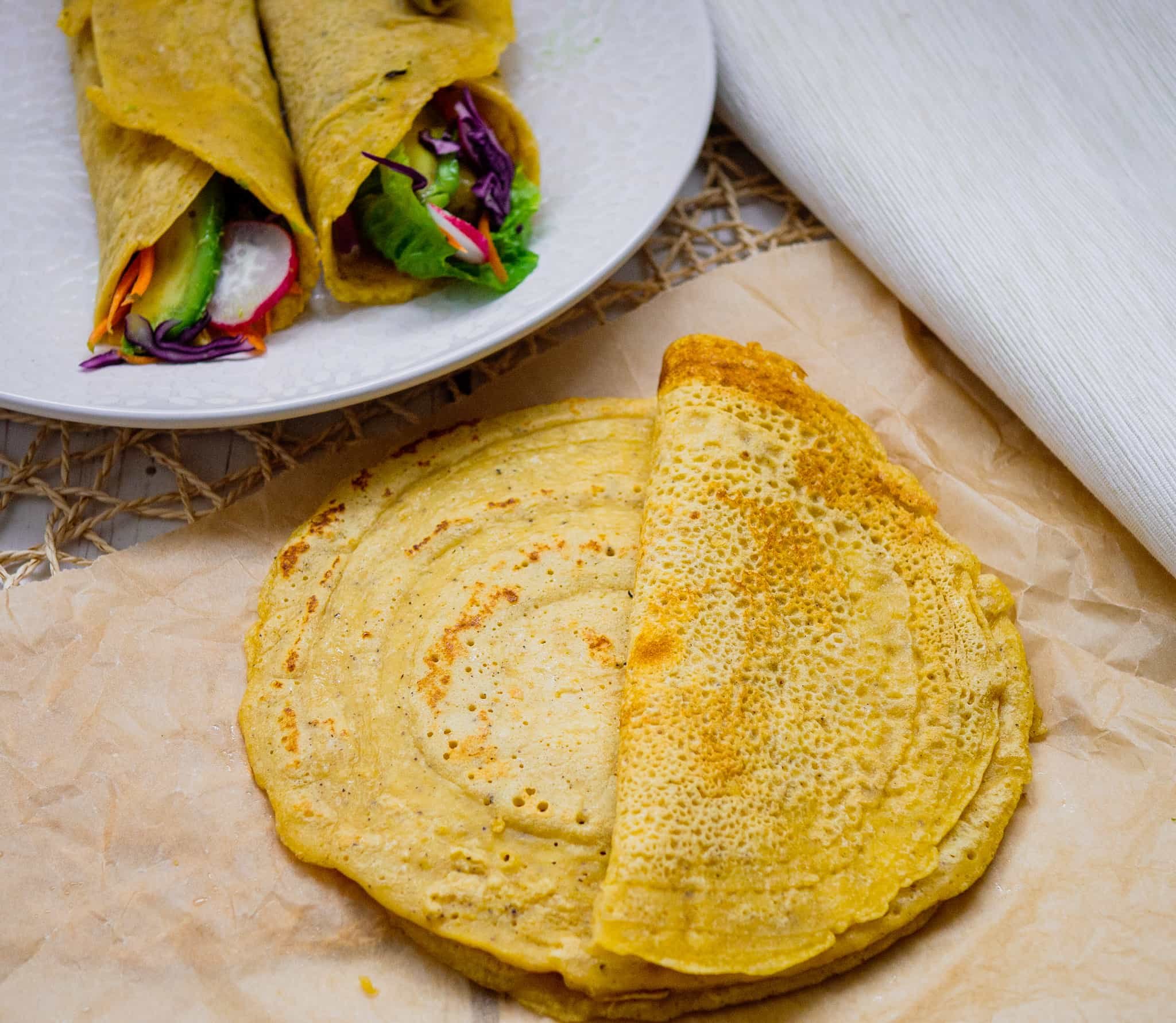
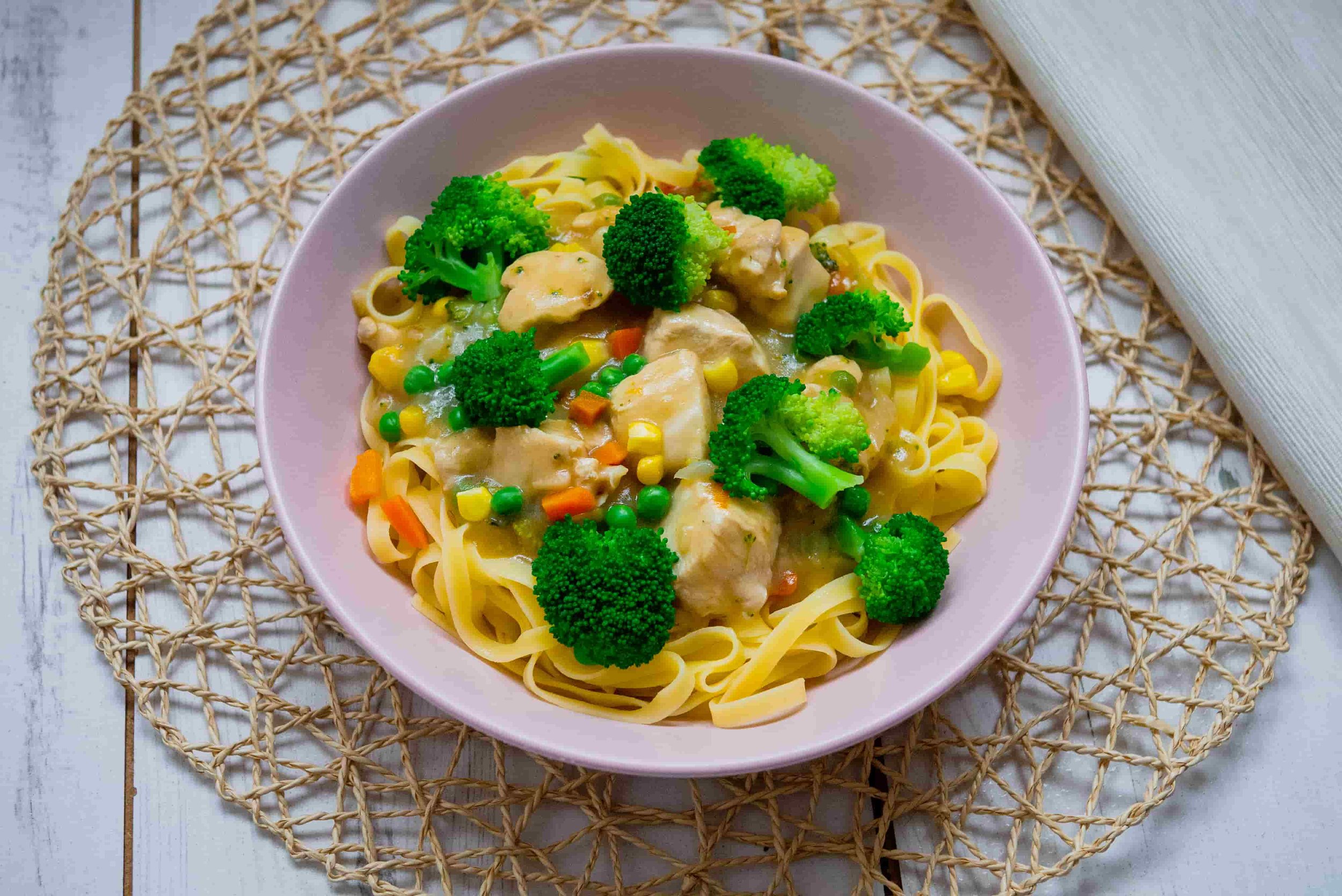
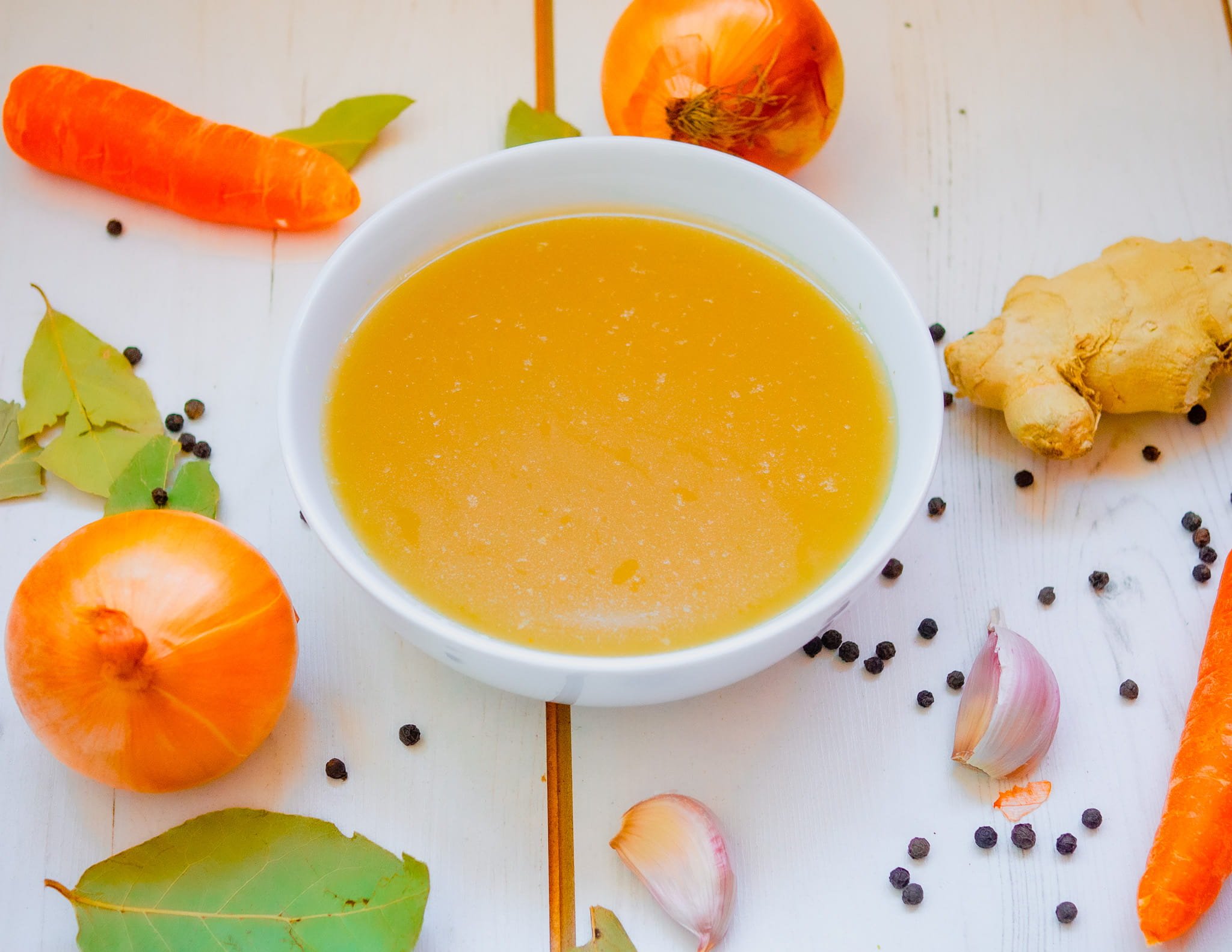
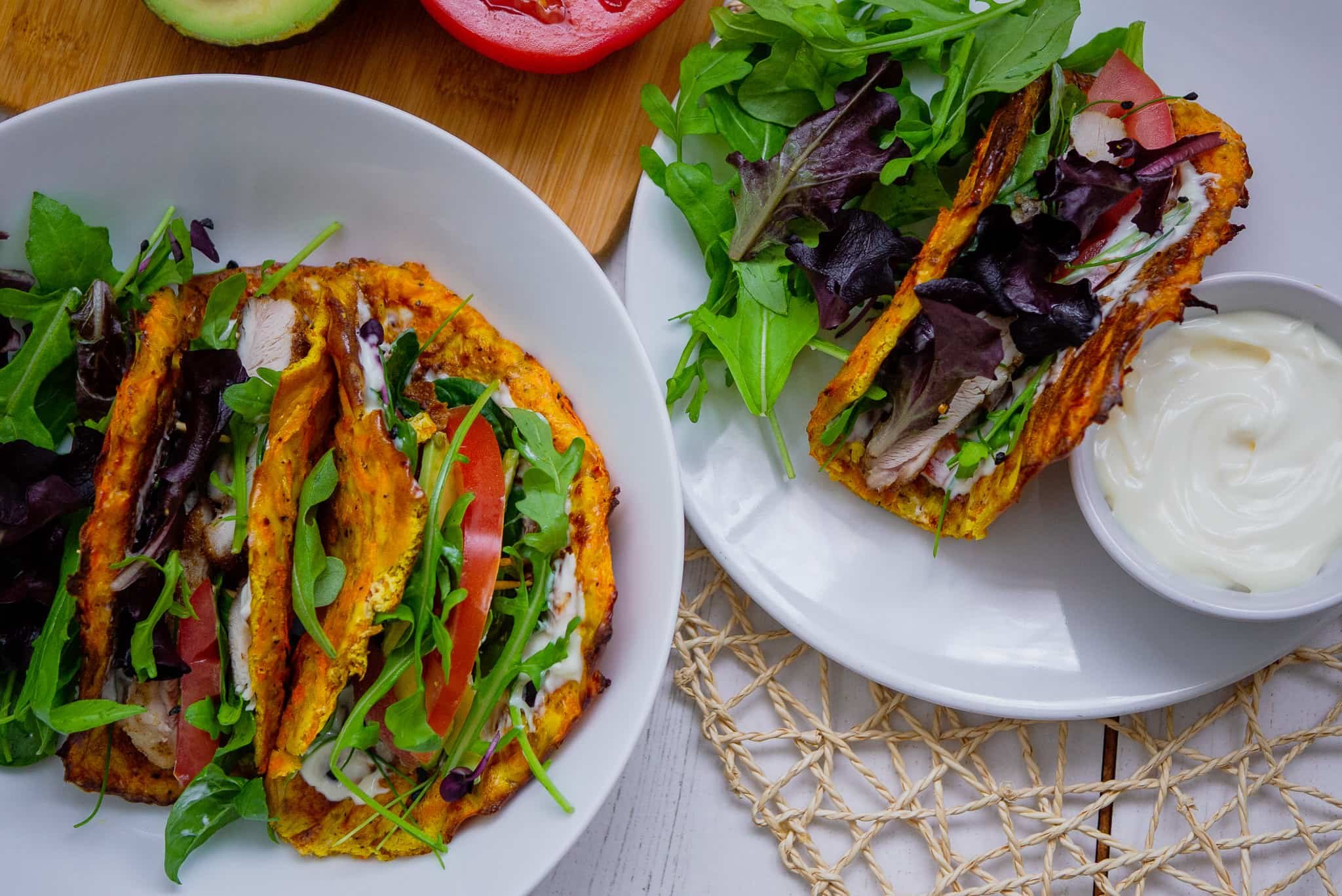
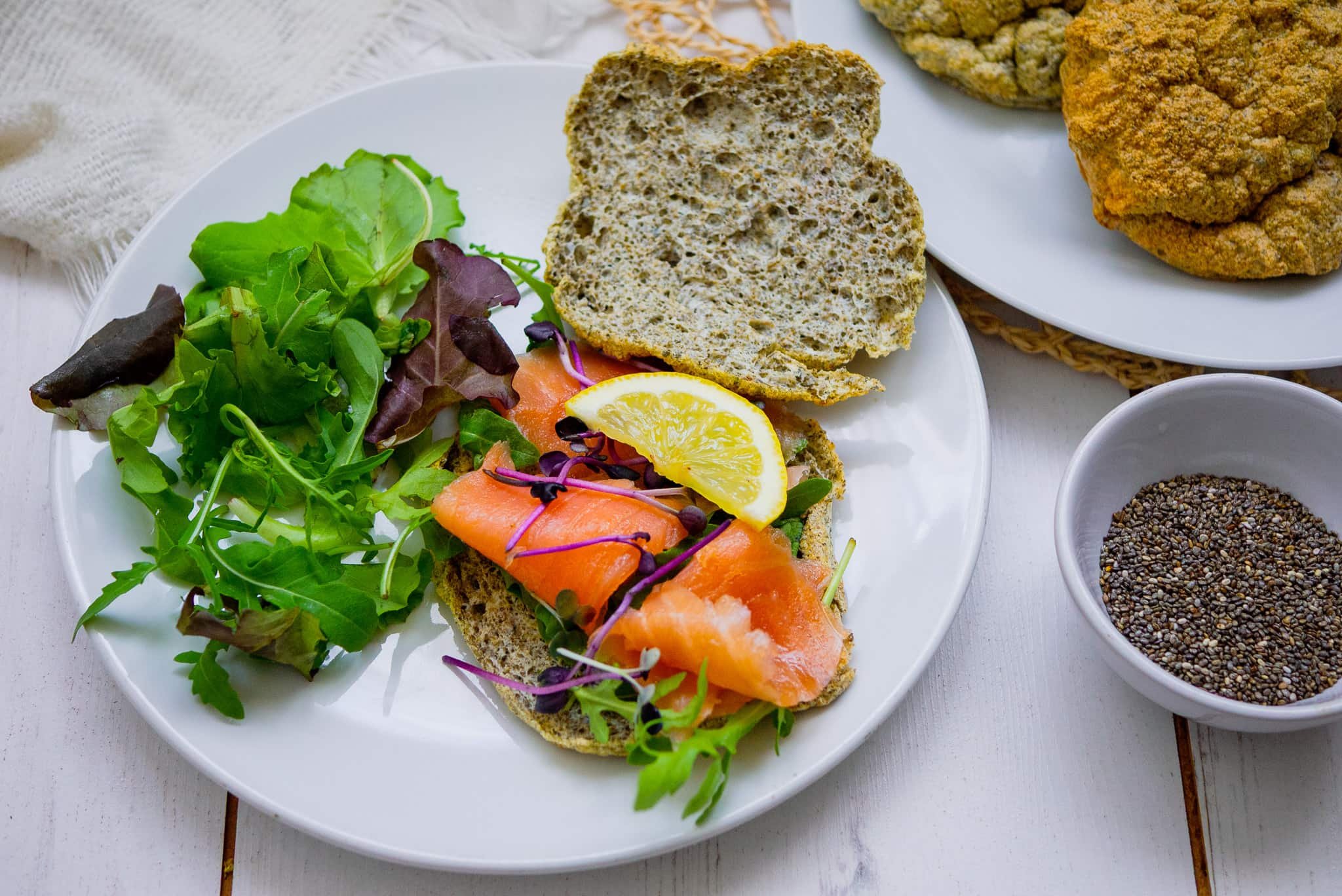
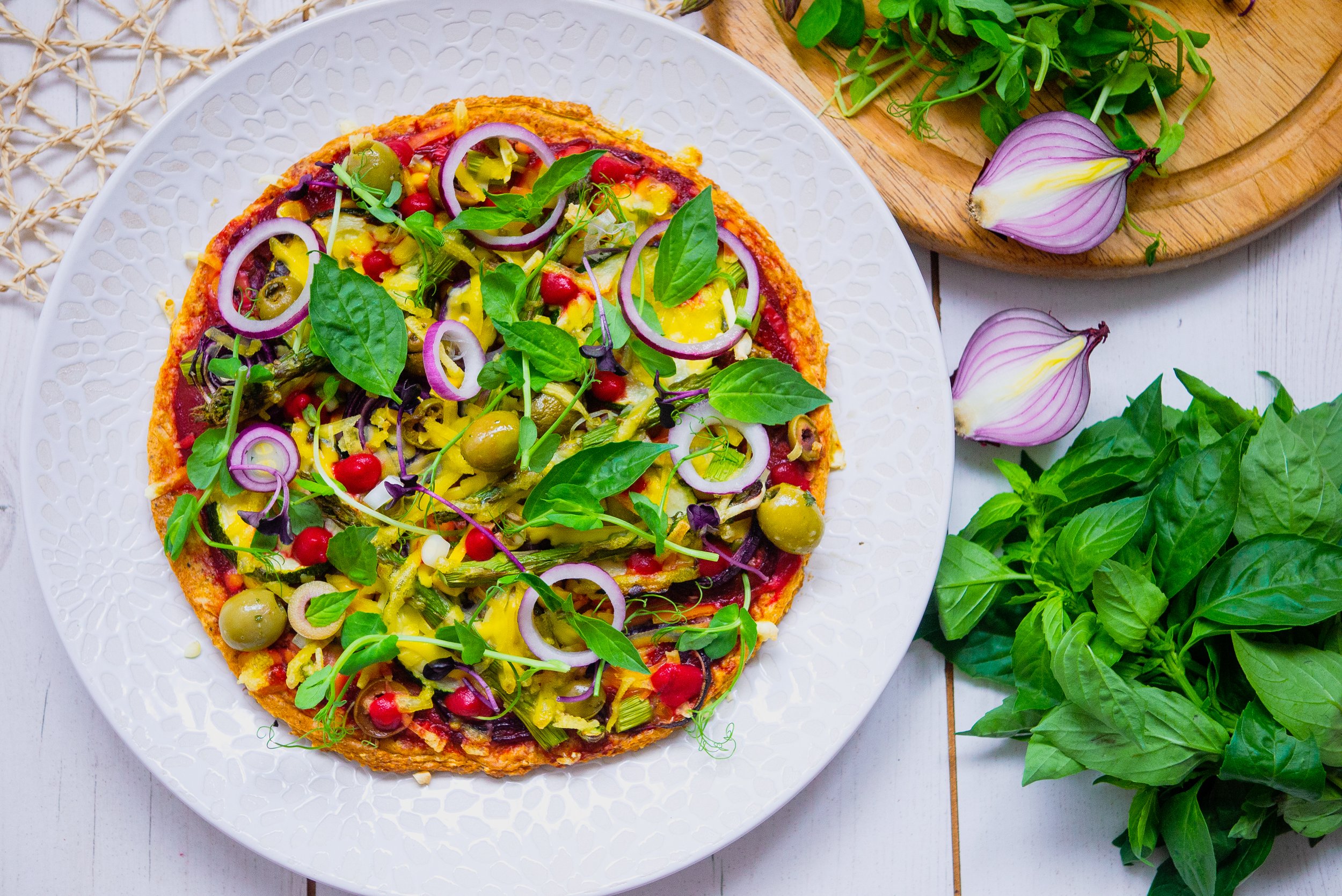
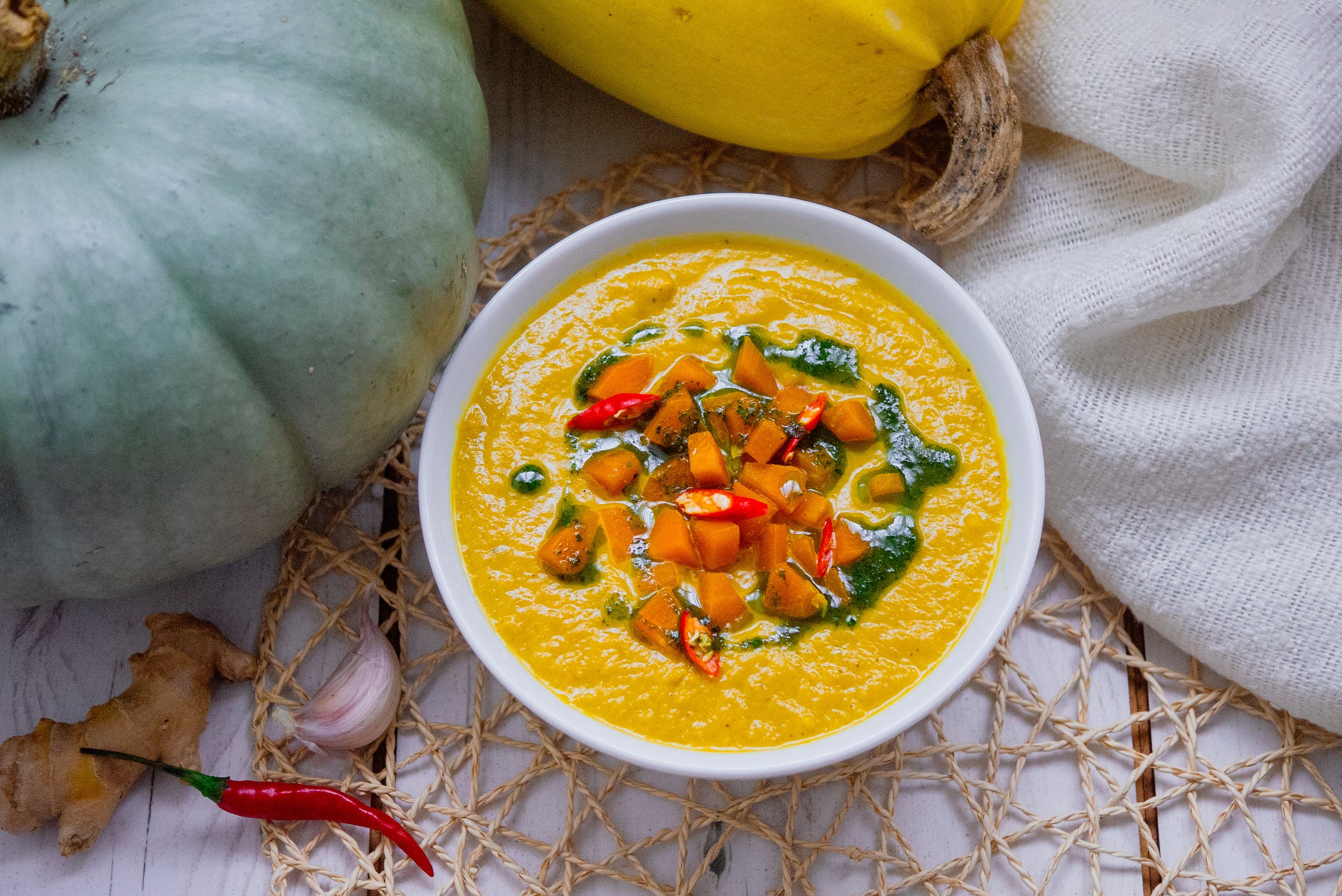
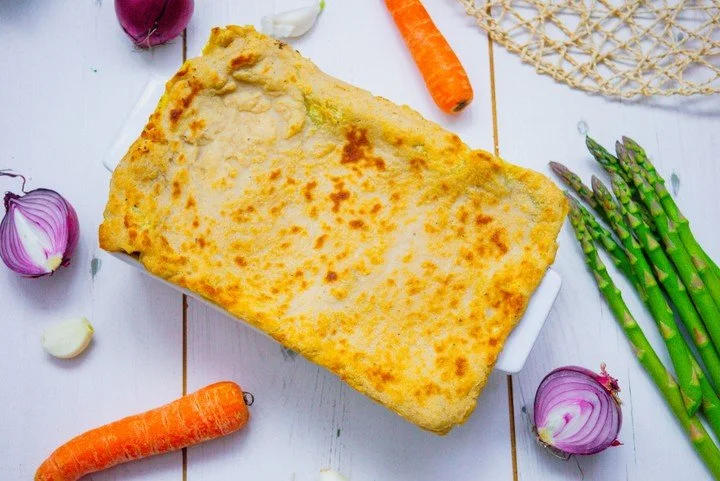
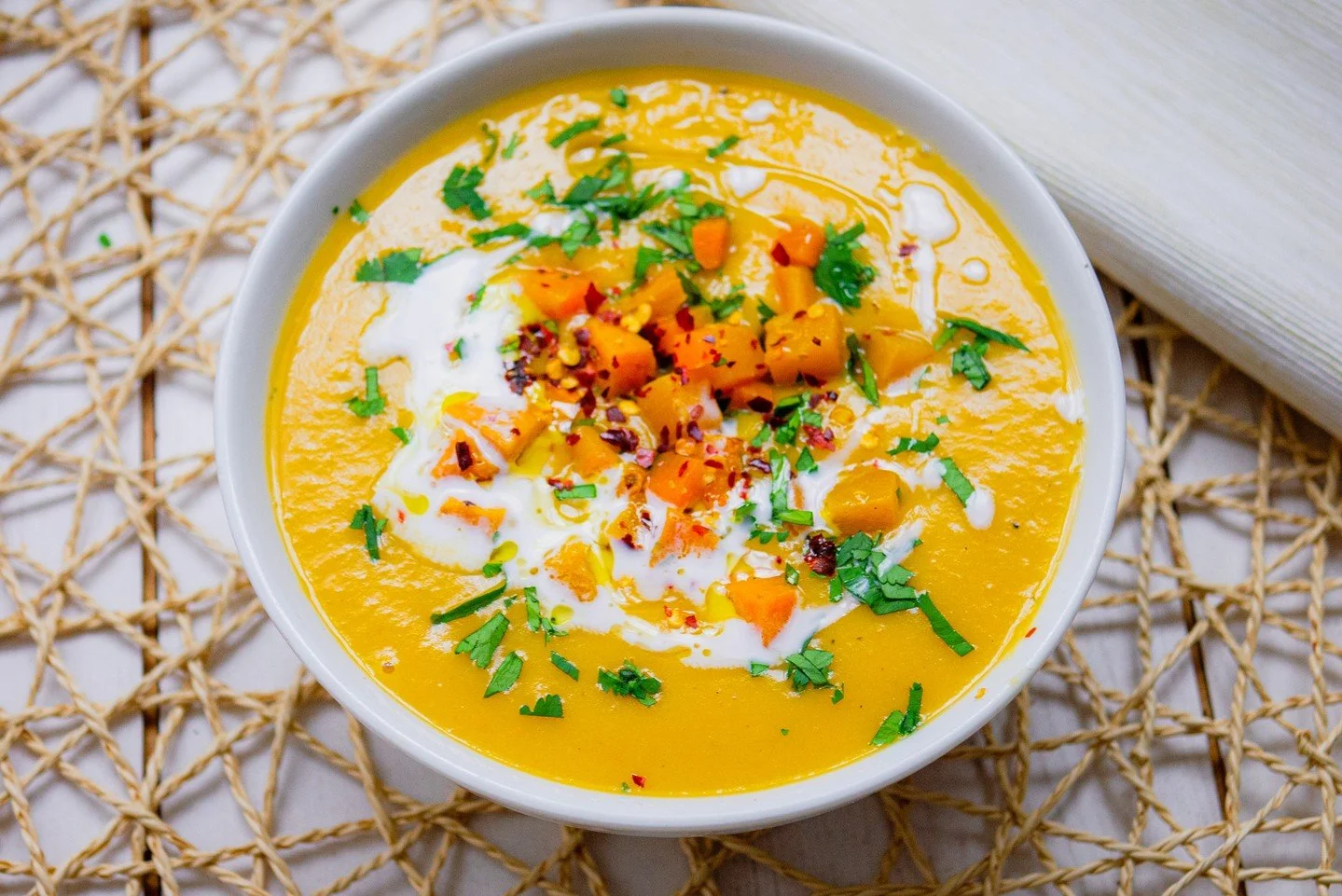
Nightshade Free Lunch Recipes
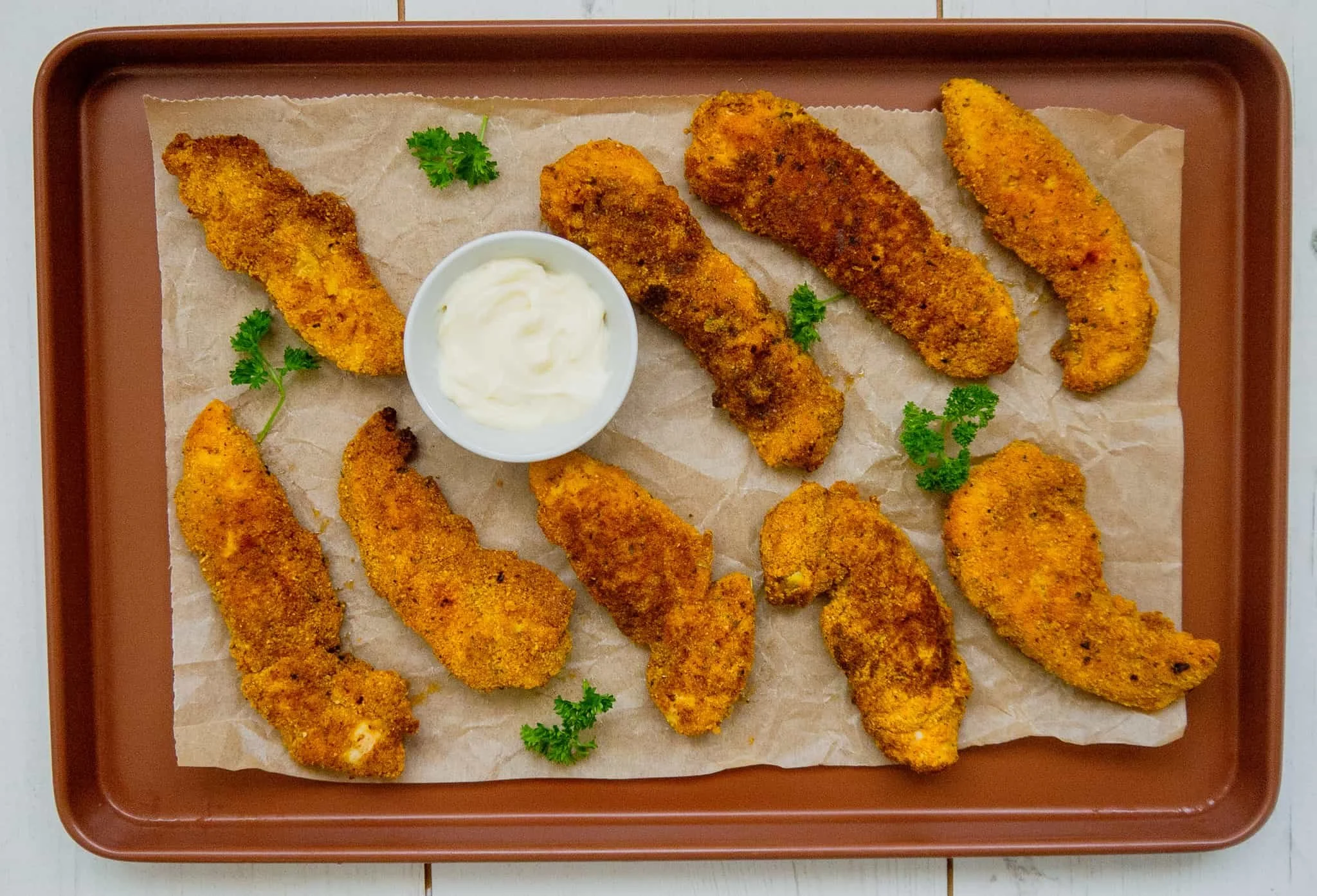
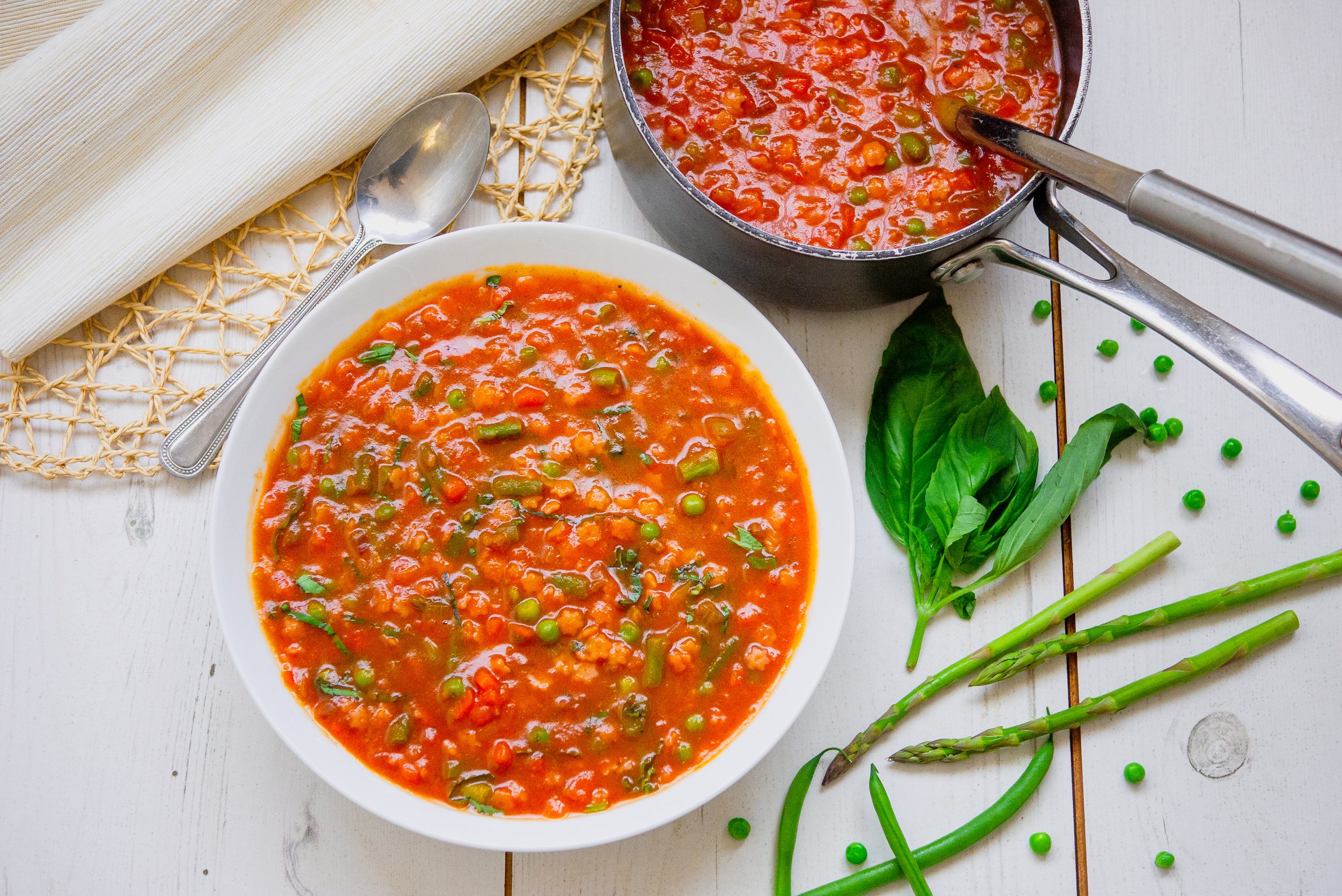
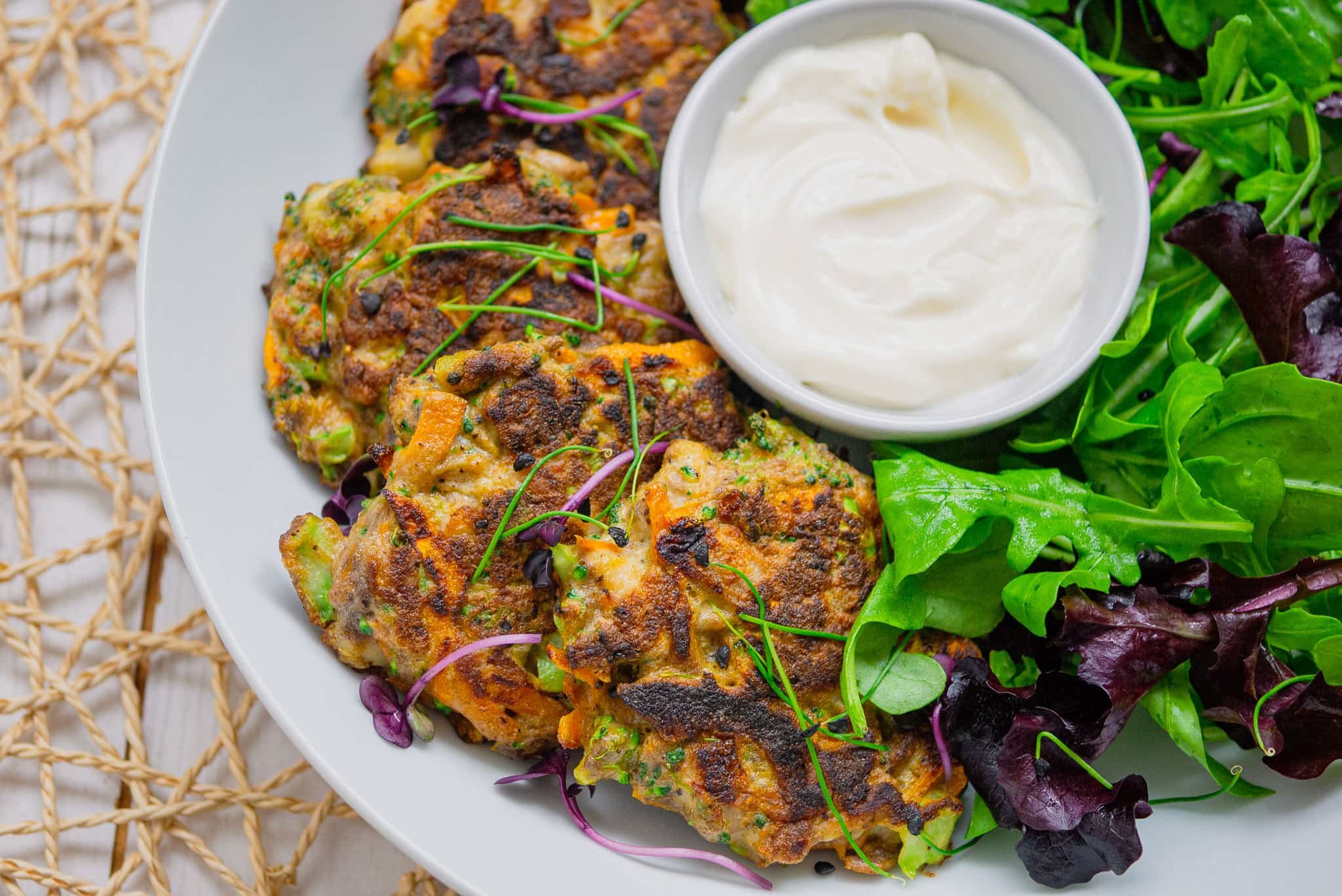
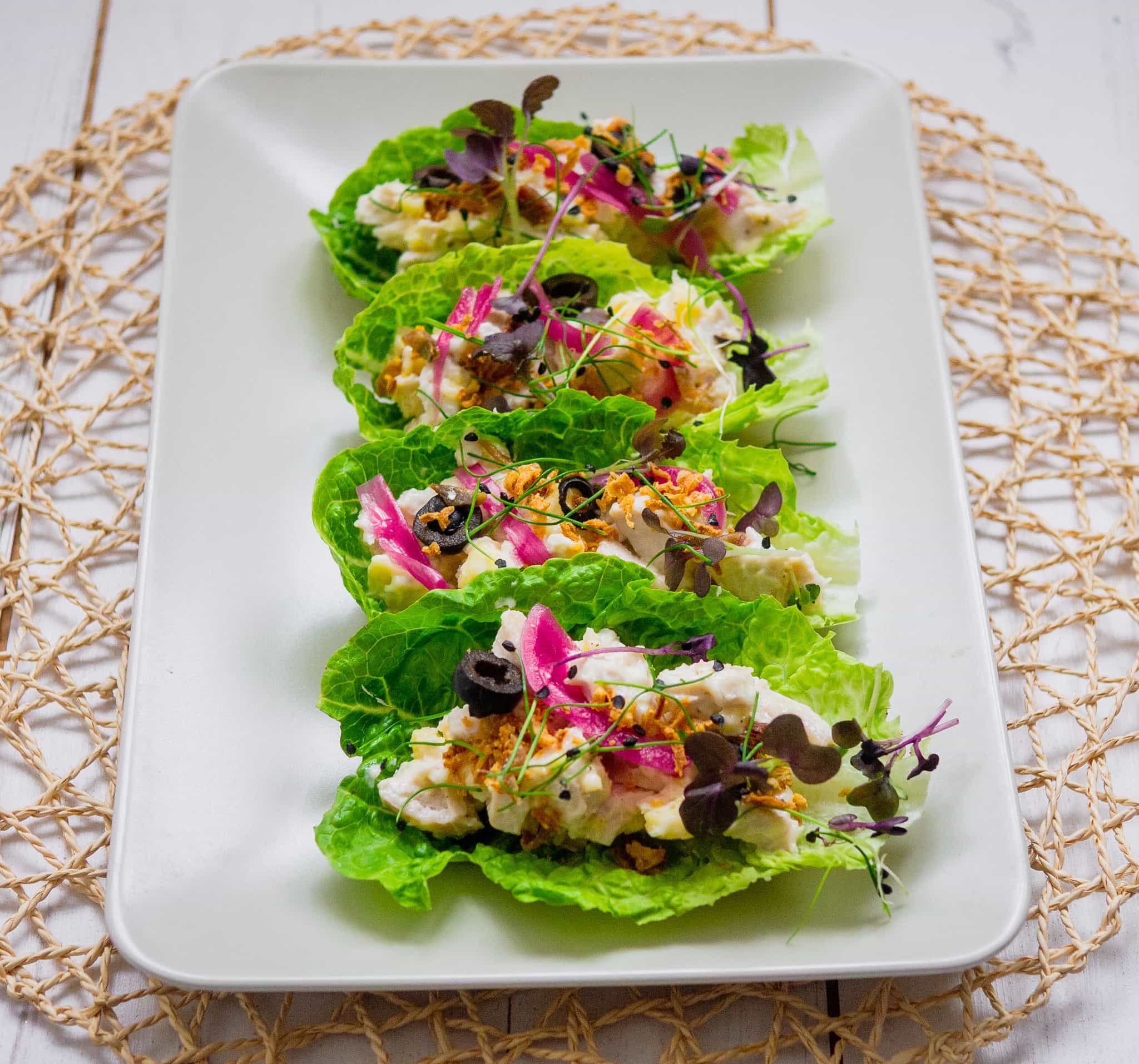
Nightshade free lunch recipes that do not rely on peppers, chilli, potatoes and tomatoes. Click on the pictures to be redirected to the recipes.
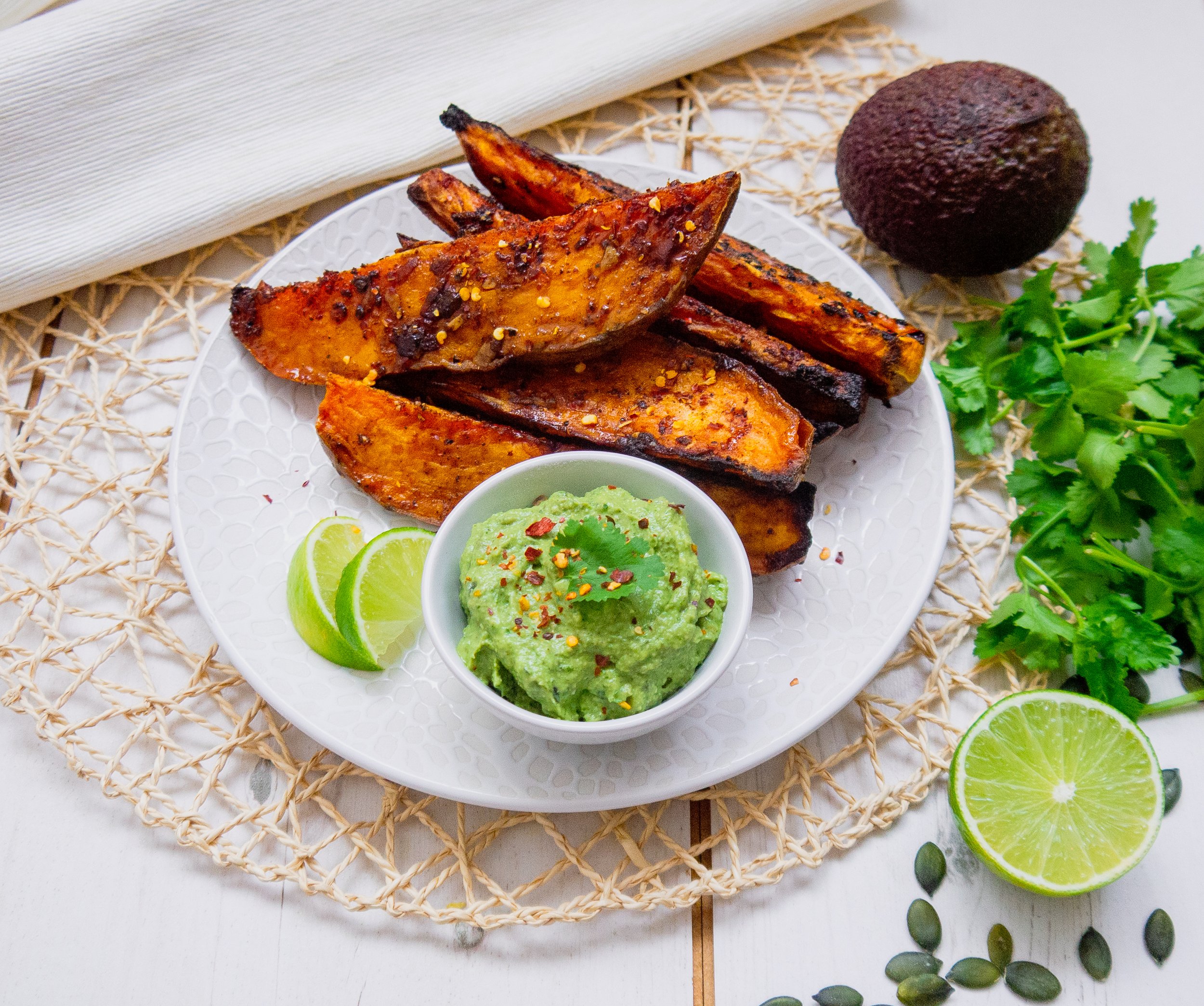
Common Nightshade Heavy Dinner Types
Italian: Lasagna, pizza, spaghetti Bolognese, meatballs, and any dish with marinara sauce.
Thai foods: Red or green thai curries use peppers and chilli; dishes with thai aubergines.
Mexican/Tex-Mex: Chilli con carne, fajitas, nachos with salsa, guacamole, enchiladas, and taco seasoning (which frequently contains cayenne or paprika).
Indian: Many curries (which use chilli powder/paprika), aloo gobi (potatoes), and potato-based samosas. Most Indian curries have a tomato base.
Comfort Foods: Shepherd's pie, mashed potatoes, baked potatoes, ratatouille, and aubergine (eggplant) stew.
Soups & Stews: Chilli, tomato soup, and many store-bought broths that use pepper or potato starch.
Hidden Nightshade Ingredients to Watch
Spices: Paprika, cayenne pepper, red pepper flakes, chilli powder, curry powder, and "spices" or "natural flavours" on labels.
Sauces: Ketchup, hot sauce, pepper-based sauces, and some BBQ sauces.
Thickeners: Potato starch or potato flour.
Nightshade Free Dinner Recipes
Quick Start Recipe: Easy Nightshade Free Sauce
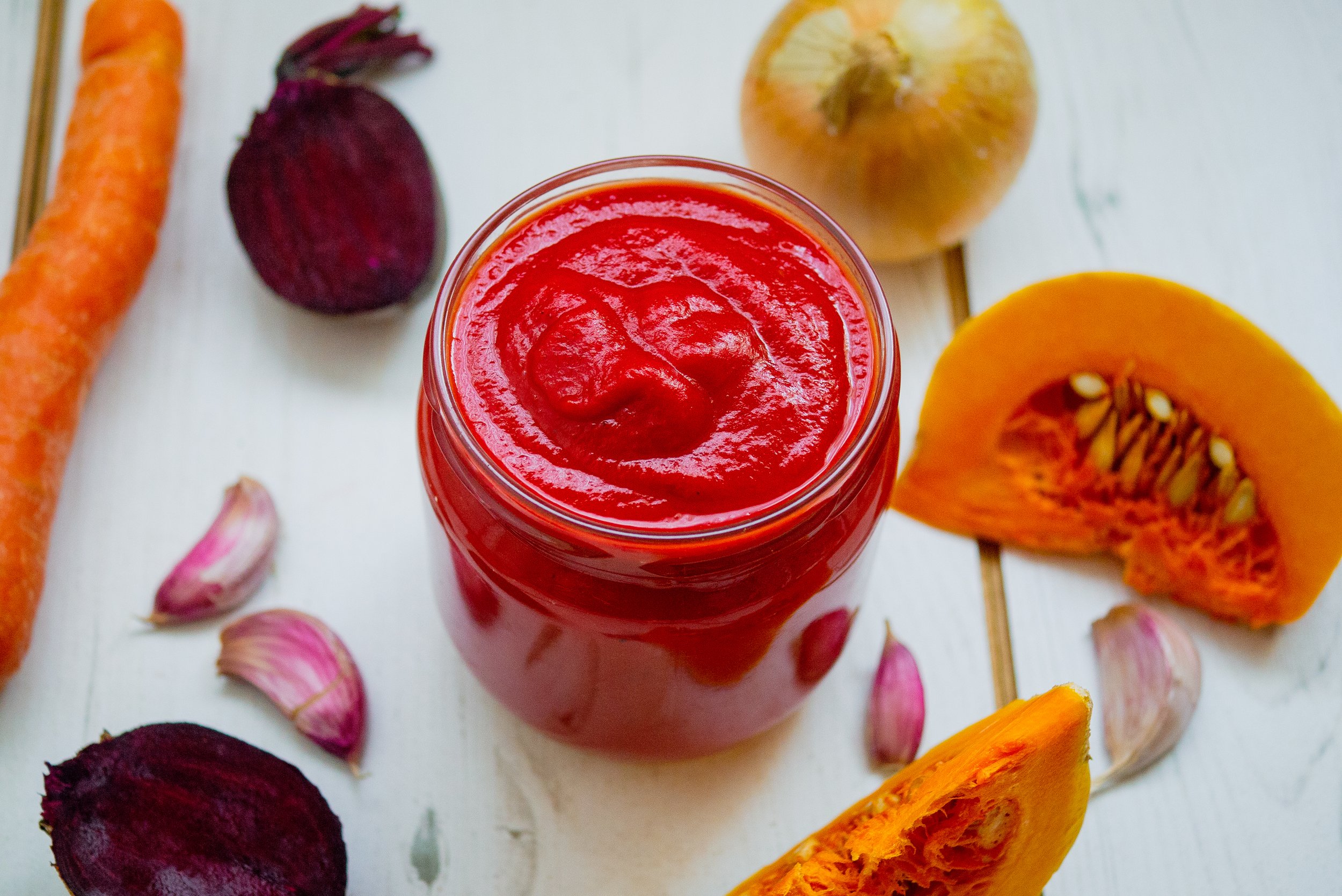
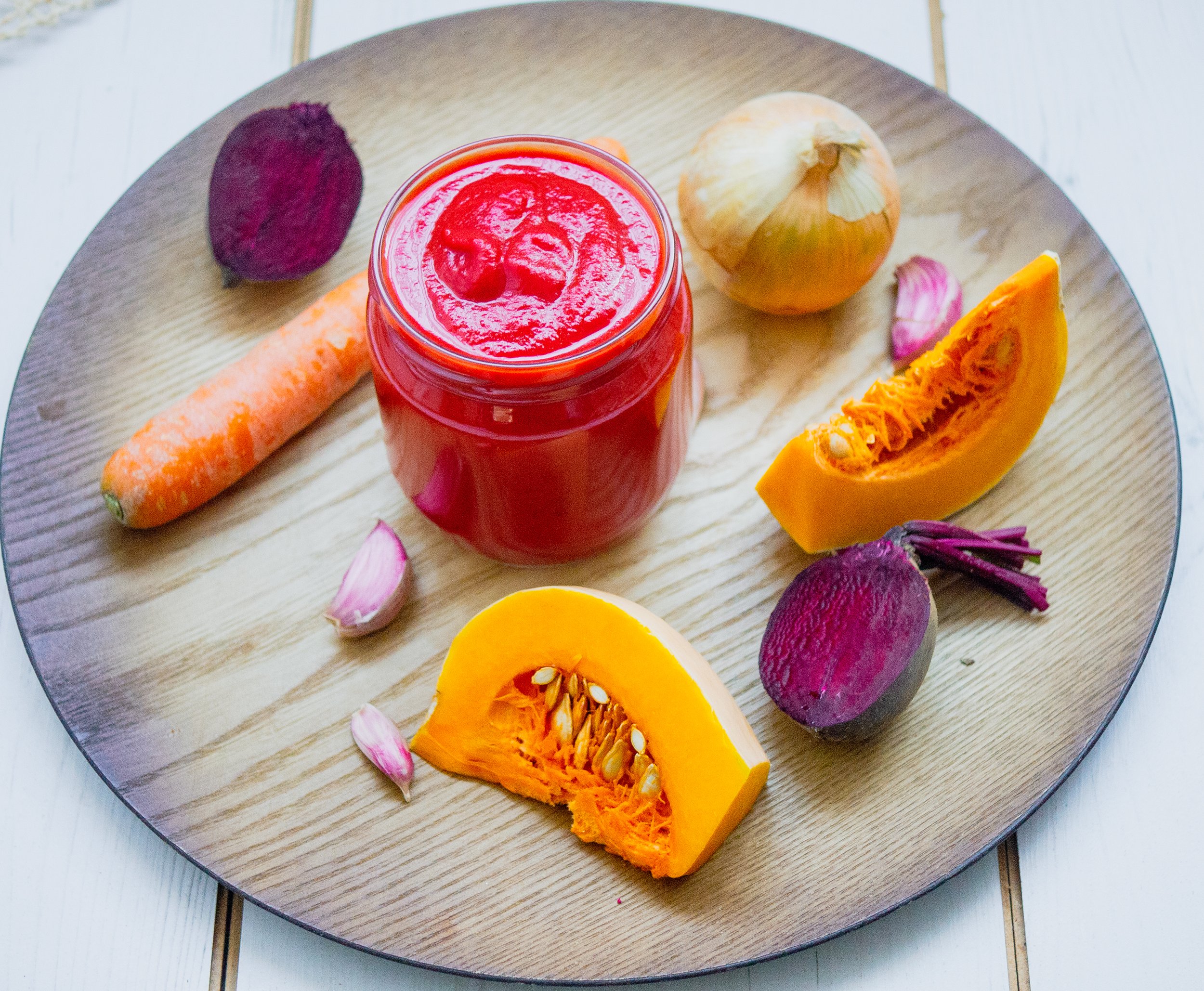
If you are missing the comfort of a classic pasta sauce, this simple recipe is the perfect solution. By using cauliflower, carrots, and beetroot, you can create a vibrant, flavourful nomato sauce that mimics the texture and acidity of a traditional tomato-based dish without any of the nightshades.
Ingredients:
1/2 head of cauliflower, steamed until tender
2 large carrots, peeled and diced
1 small beetroot, cooked and peeled
1 onion, finely chopped
2 cloves of garlic, minced
1 tablespoon olive oil
Salt and black pepper to taste
Method:
Sauté the onion and garlic in olive oil over a medium heat until soft.
Place the steamed cauliflower, carrots, and beetroot into a blender.
Add the onion and garlic mixture, blending until smooth.
Season with salt and pepper, adding a splash of water or vegetable stock if you prefer a thinner consistency.
Serve warm over your favourite grain-free pasta or as a base for hearty stews.
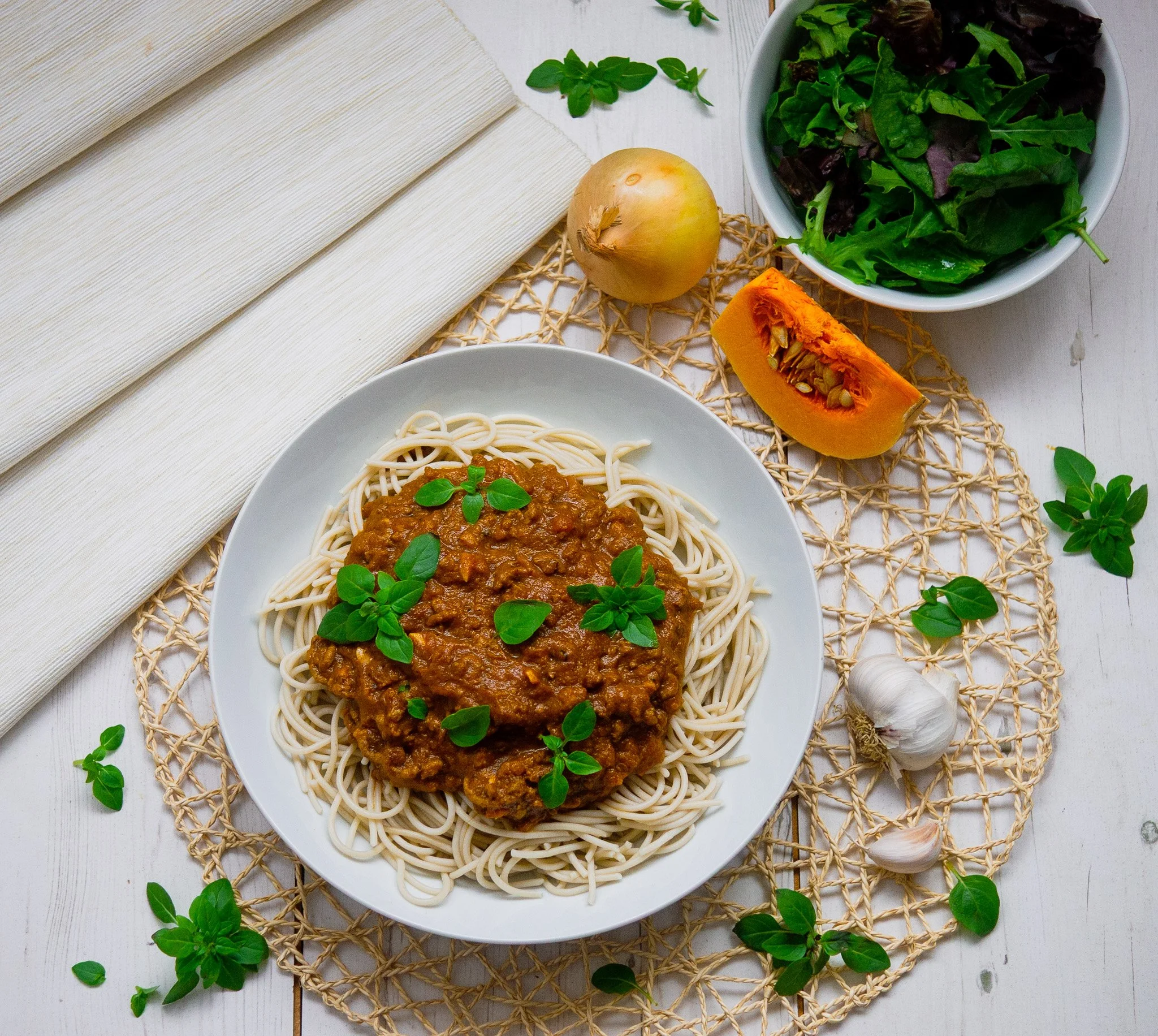
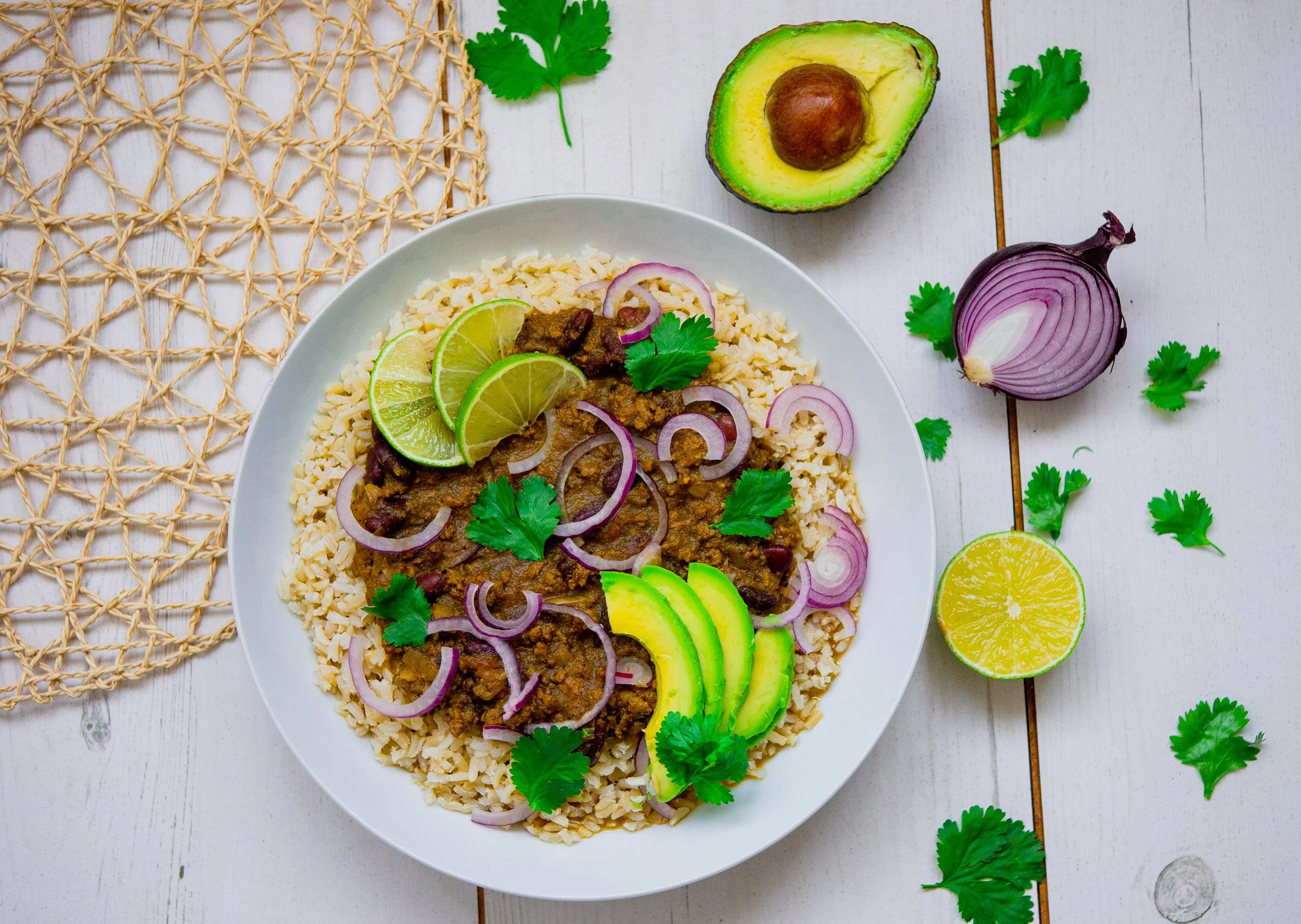
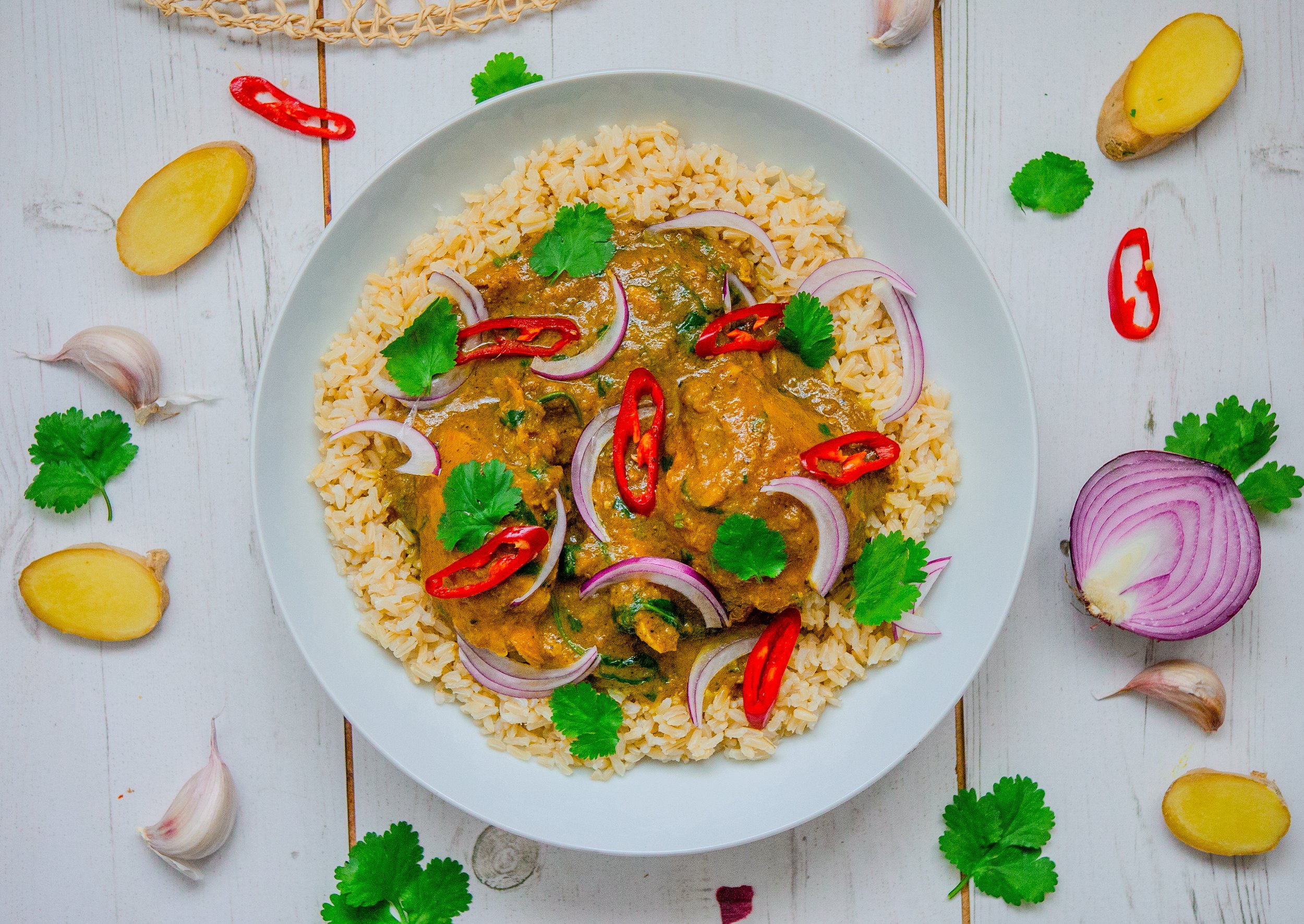
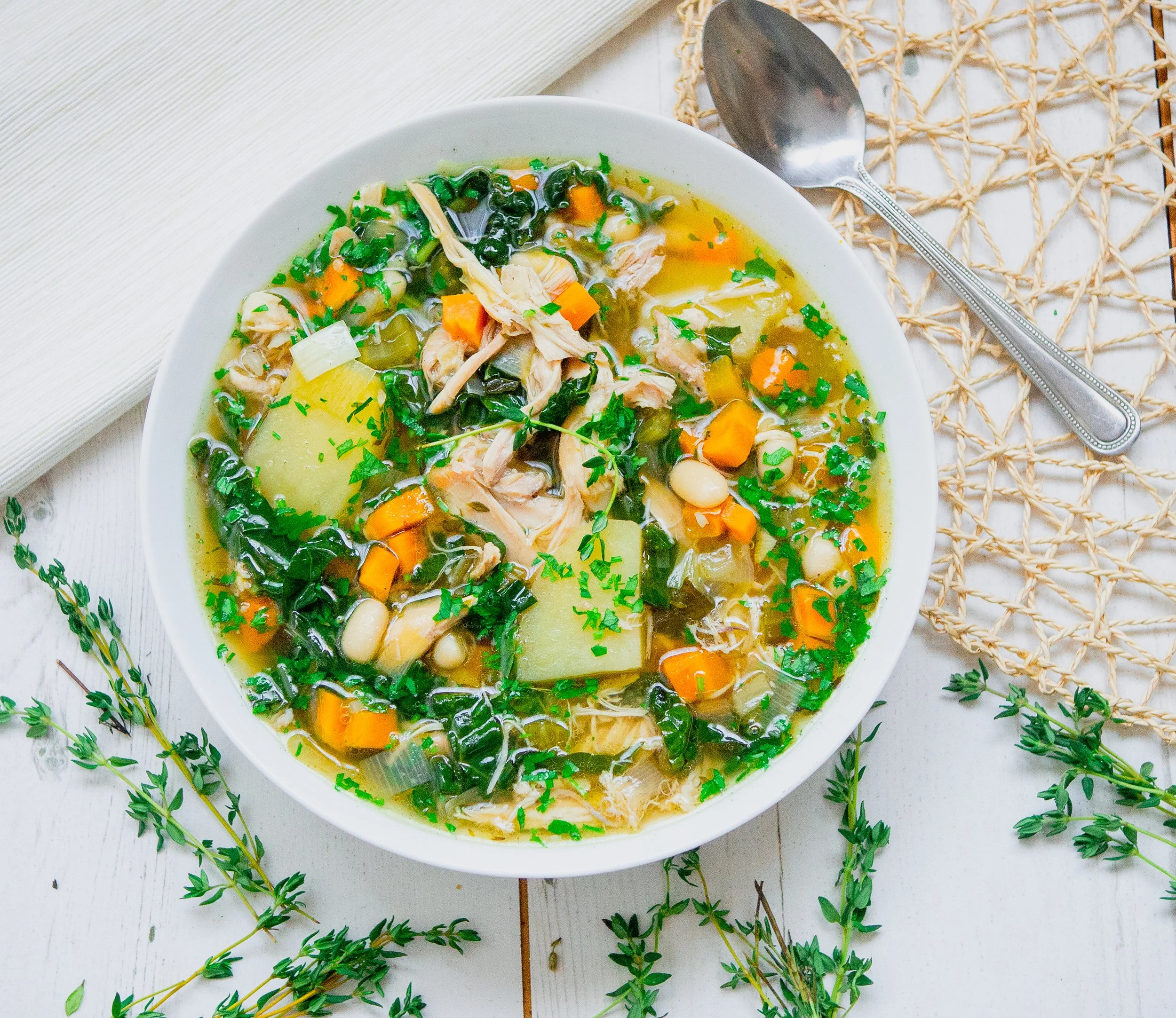
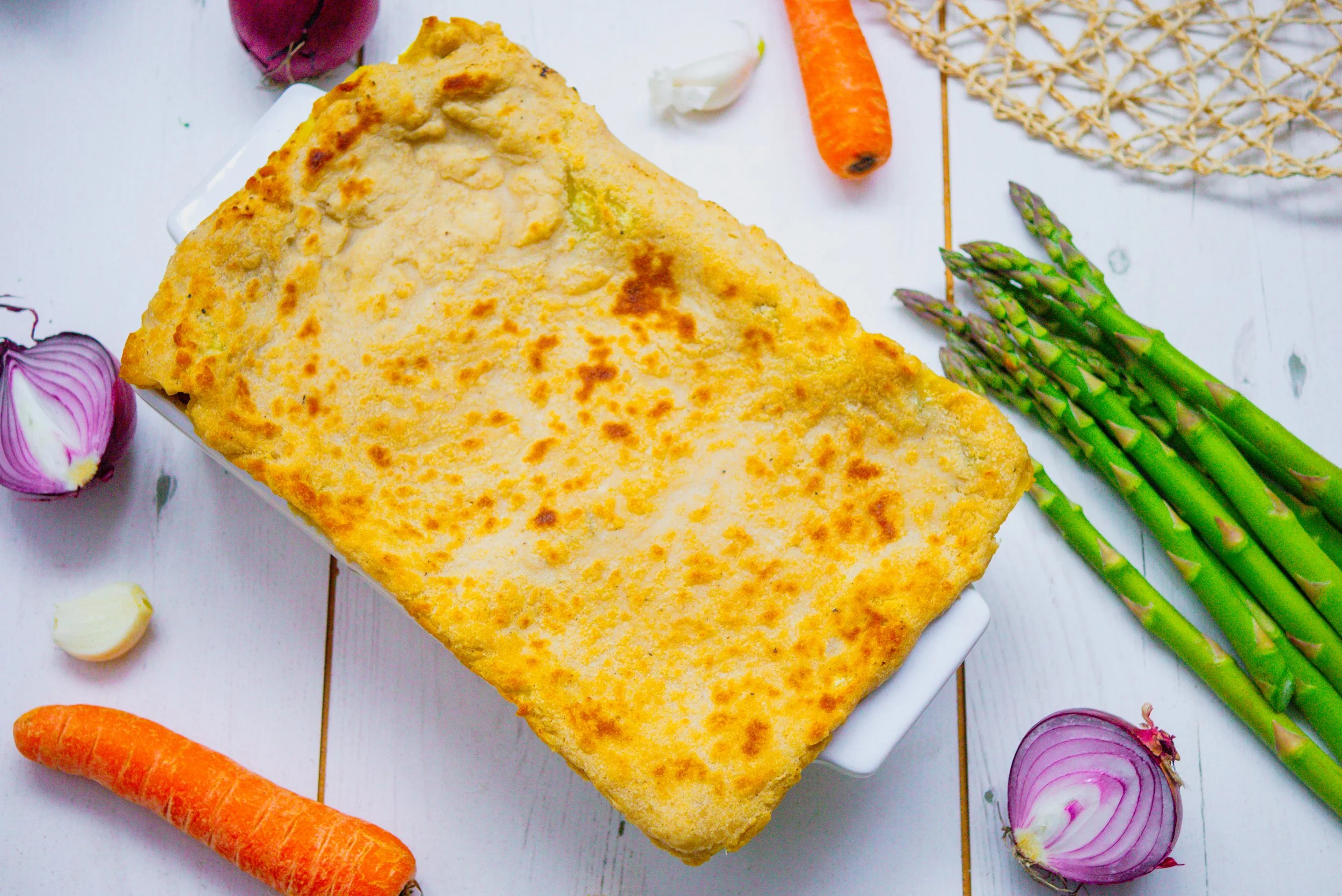
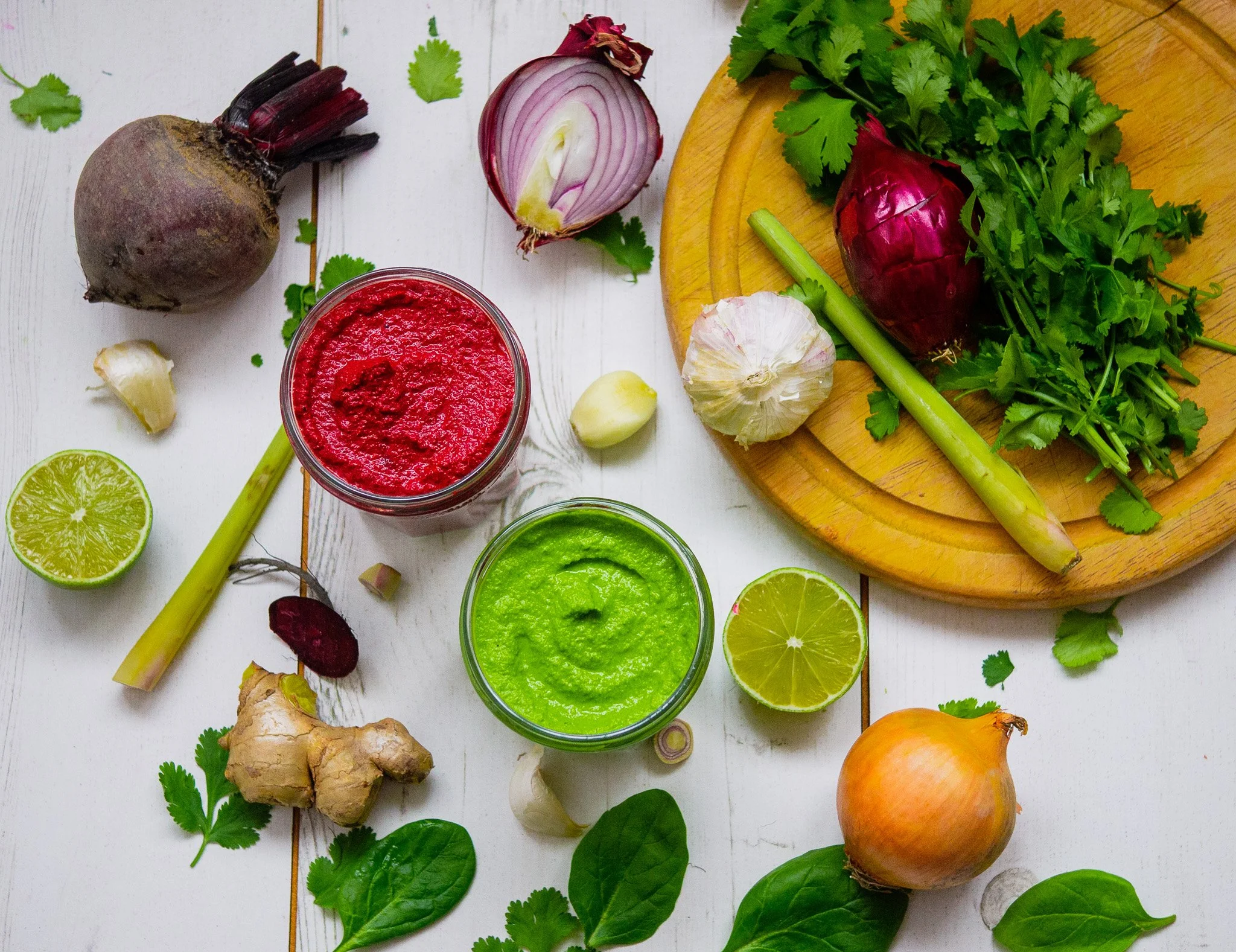
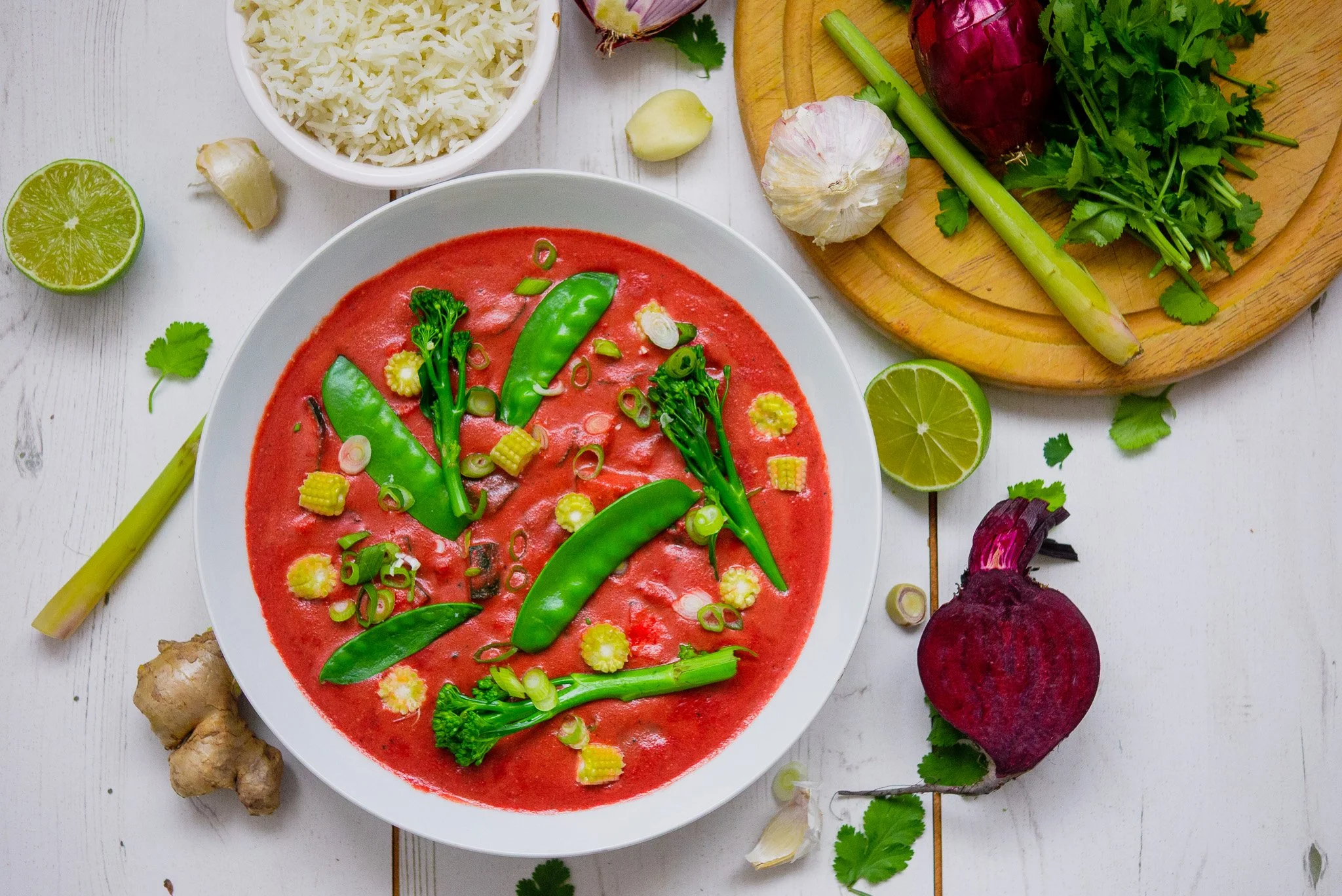
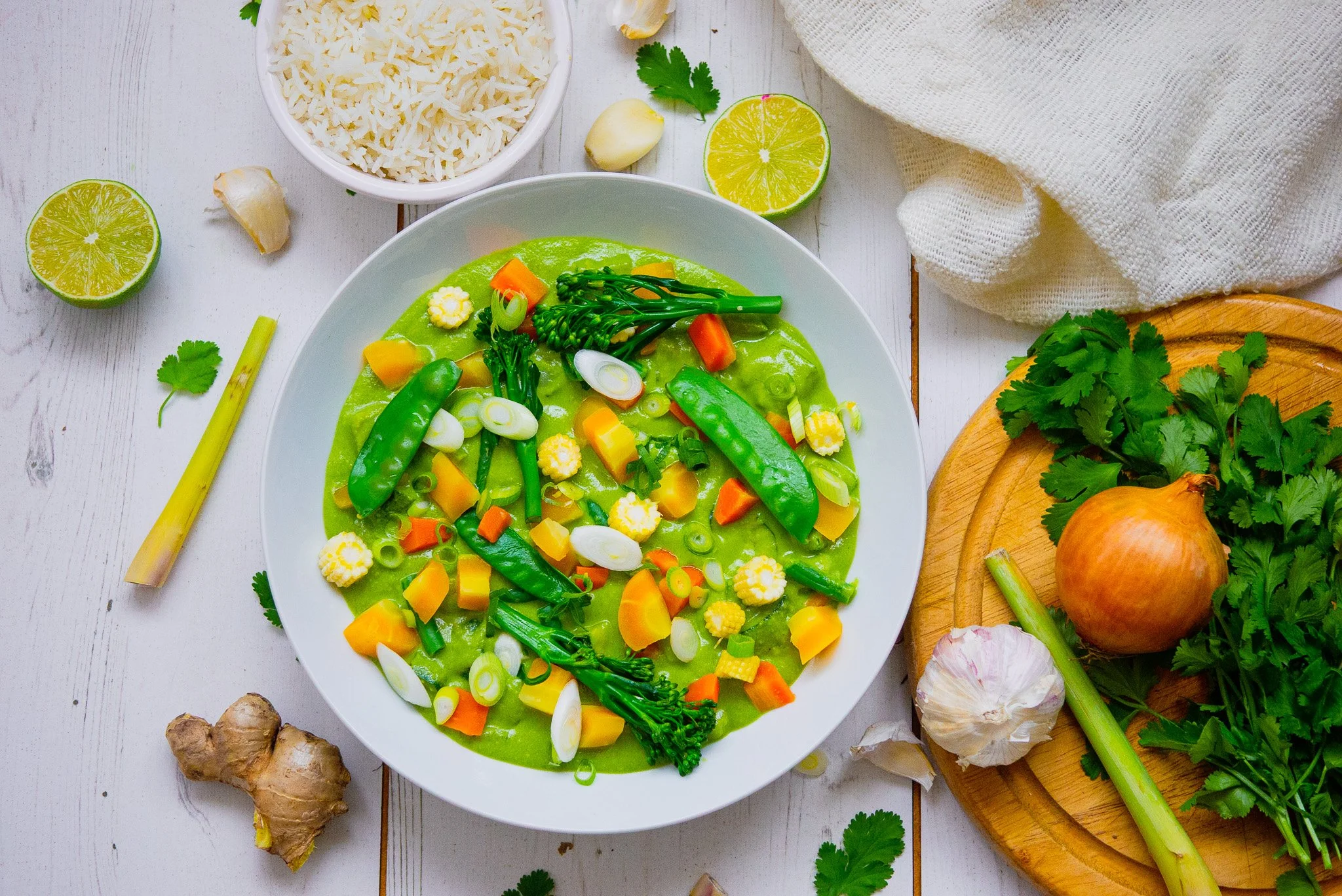
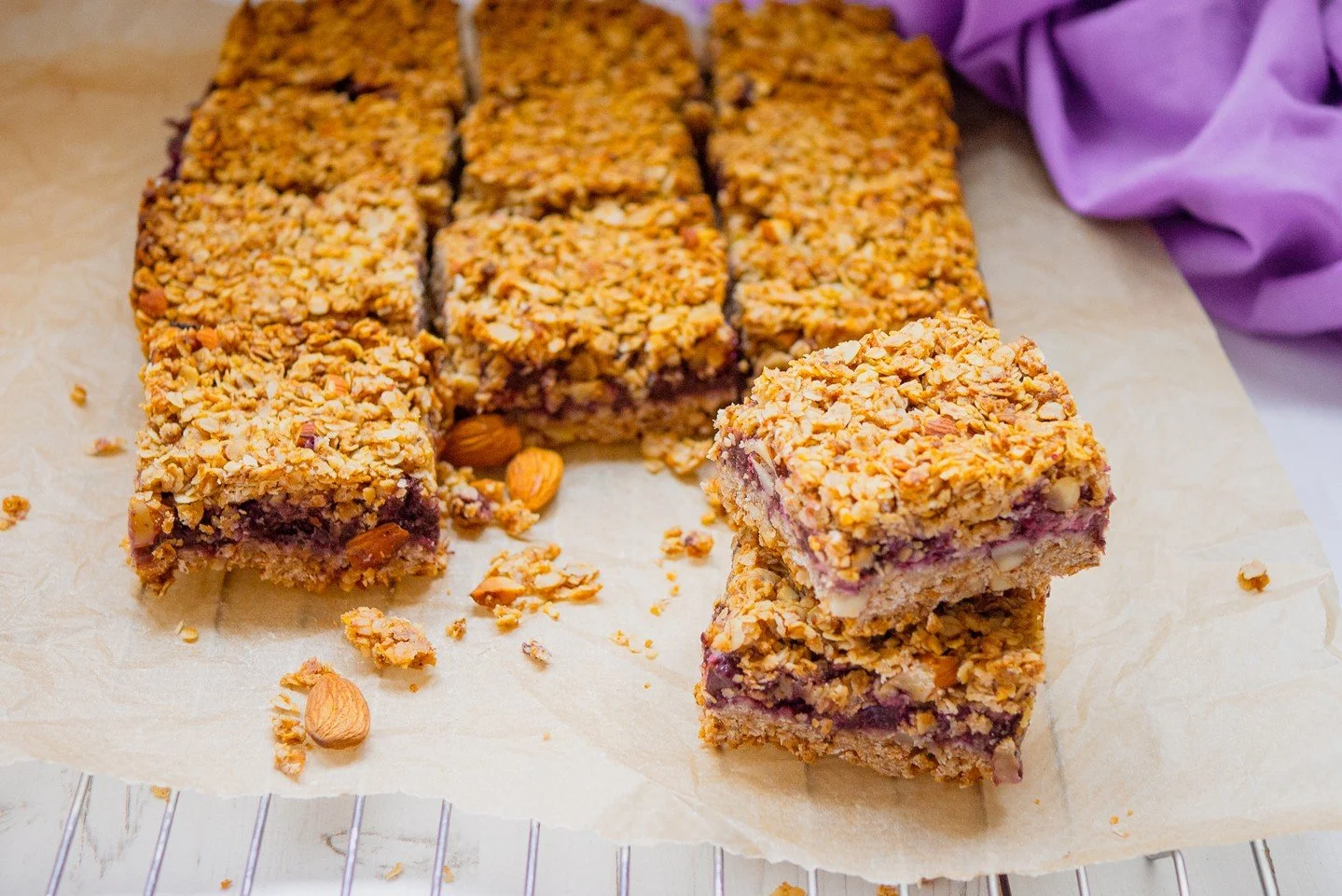
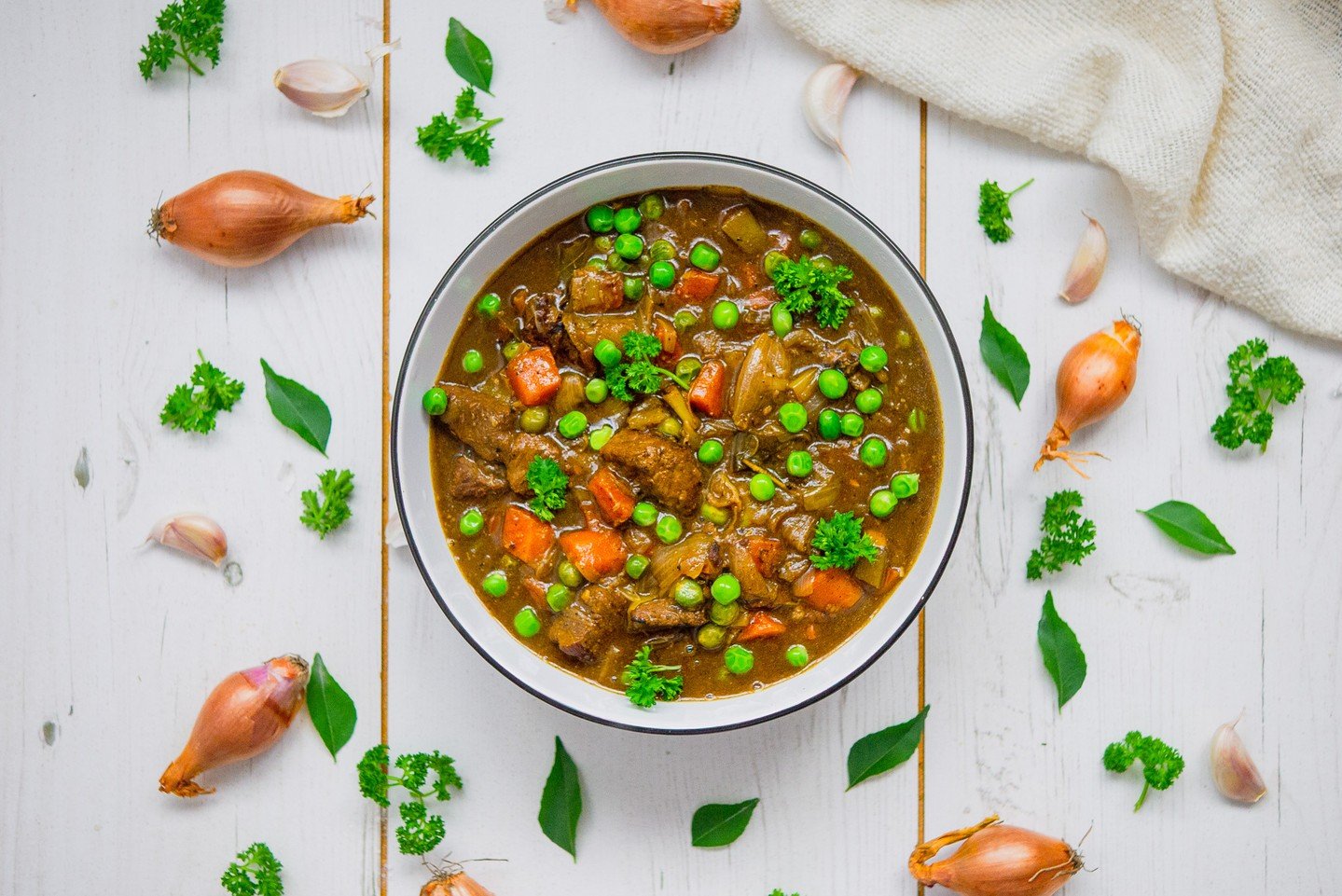
Nightshade free dinner ideas that do not rely on peppers, tomatoes, aubergines or potatoes. Click on the pictures to be redirected to the recipes on my website.
Common sauces and condiments containing nightshades:
Tomato-Based Sauces: Ketchup, marinara sauce, pasta sauce, pizza sauce, tomato paste, and tomato puree.
Pepper-Based Sauces: Hot sauce (e.g., Tabasco), chilli sauce, and sambal.
Salsas and Dips: Red and green salsa, pico de gallo, and baba ghanoush (which often contains roasted red peppers).
Spiced/Seasoned Sauces: Barbecue (BBQ) sauce, Worcestershire sauce, and mole sauce.
Seasoning Blends: Taco seasoning, chilli powder, curry powder, and many steak spices often contain paprika or cayenne.
Other Condiments: Some specialised chutneys (e.g., aubergine/eggplant chutney) and pepper jellies.
Hidden Nightshades in Sauces
Labels with vague terms often hide nightshade ingredients, which are avoided by many to reduce the intake of solanine::
"Spices" or "Natural Flavours": These often contain paprika or cayenne.
"Modified Food Starch" or "Vegetable Starch": Frequently derived from potatoes.
"Vegetable Oil": Can sometimes contain nightshade derivatives.
Important Distinctions
Black/White Pepper: Despite the name, these are not nightshades.
Sweet Potatoes: Not a nightshade (unlike white/red potatoes). Please note that you can get white sweet potatoes, which are NOT nightshades.
Chilli Powders: Nearly all red-coloured chilli powders and paprika are nightshades.
Nightshade Free Sauces and Condiments
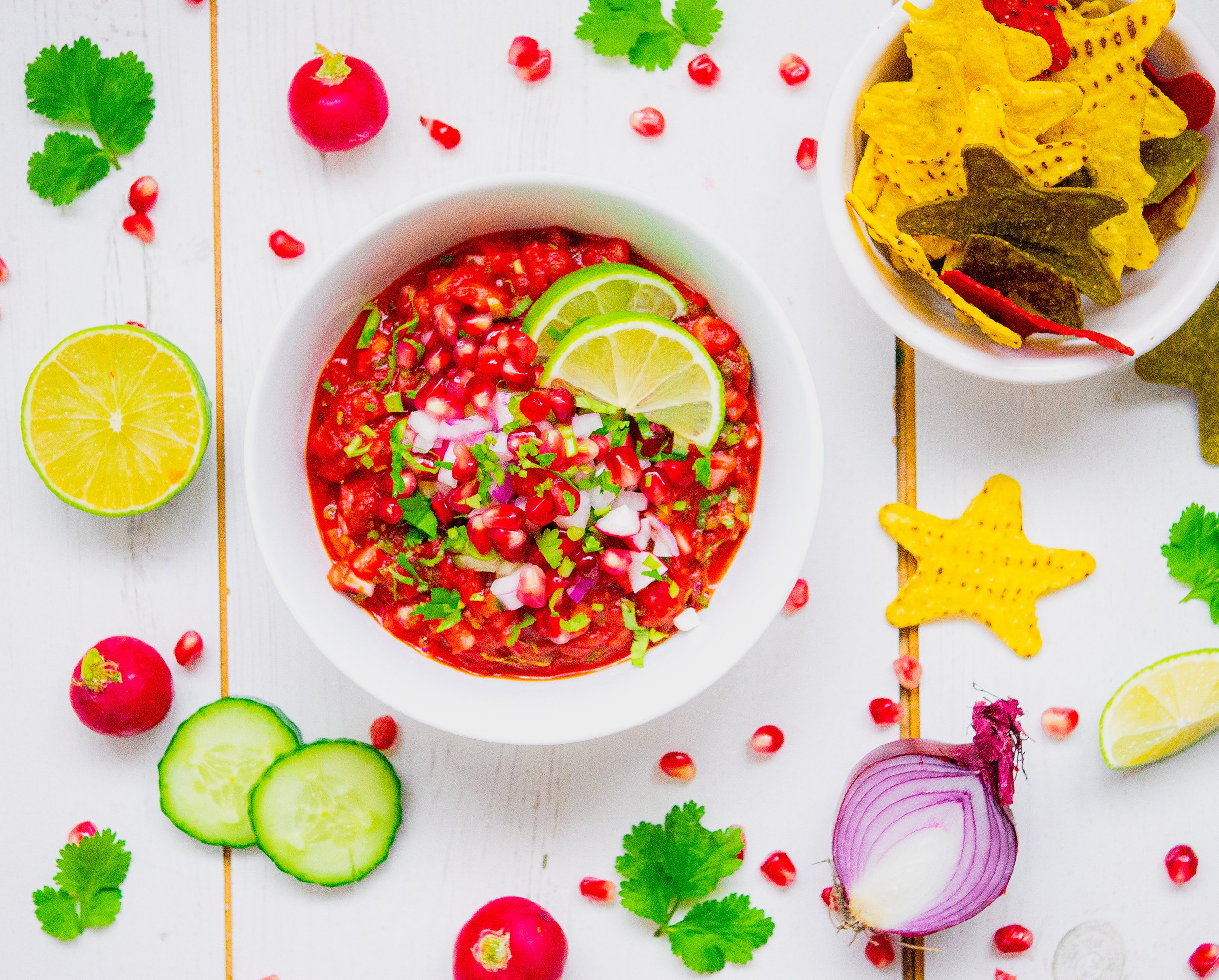
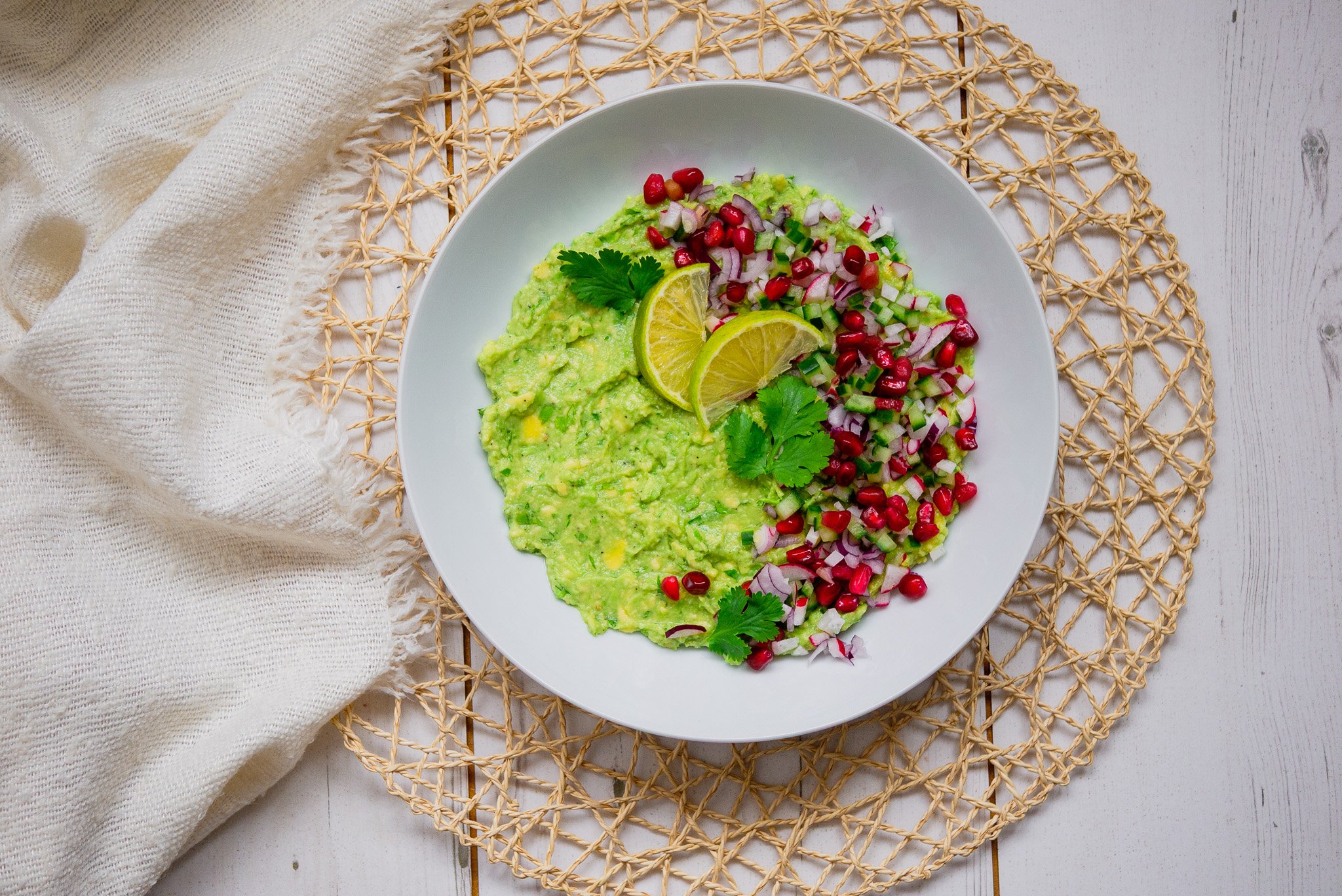
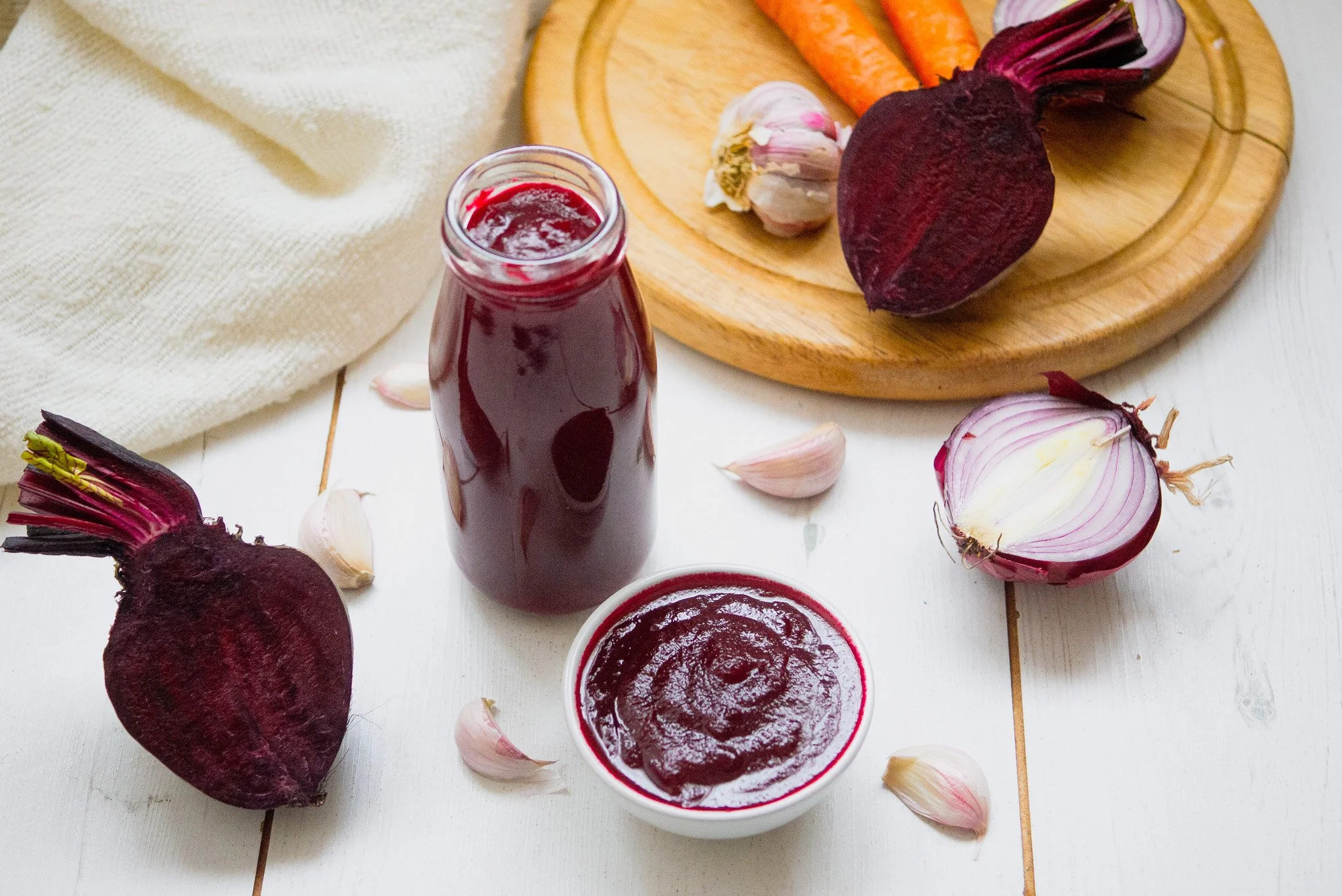
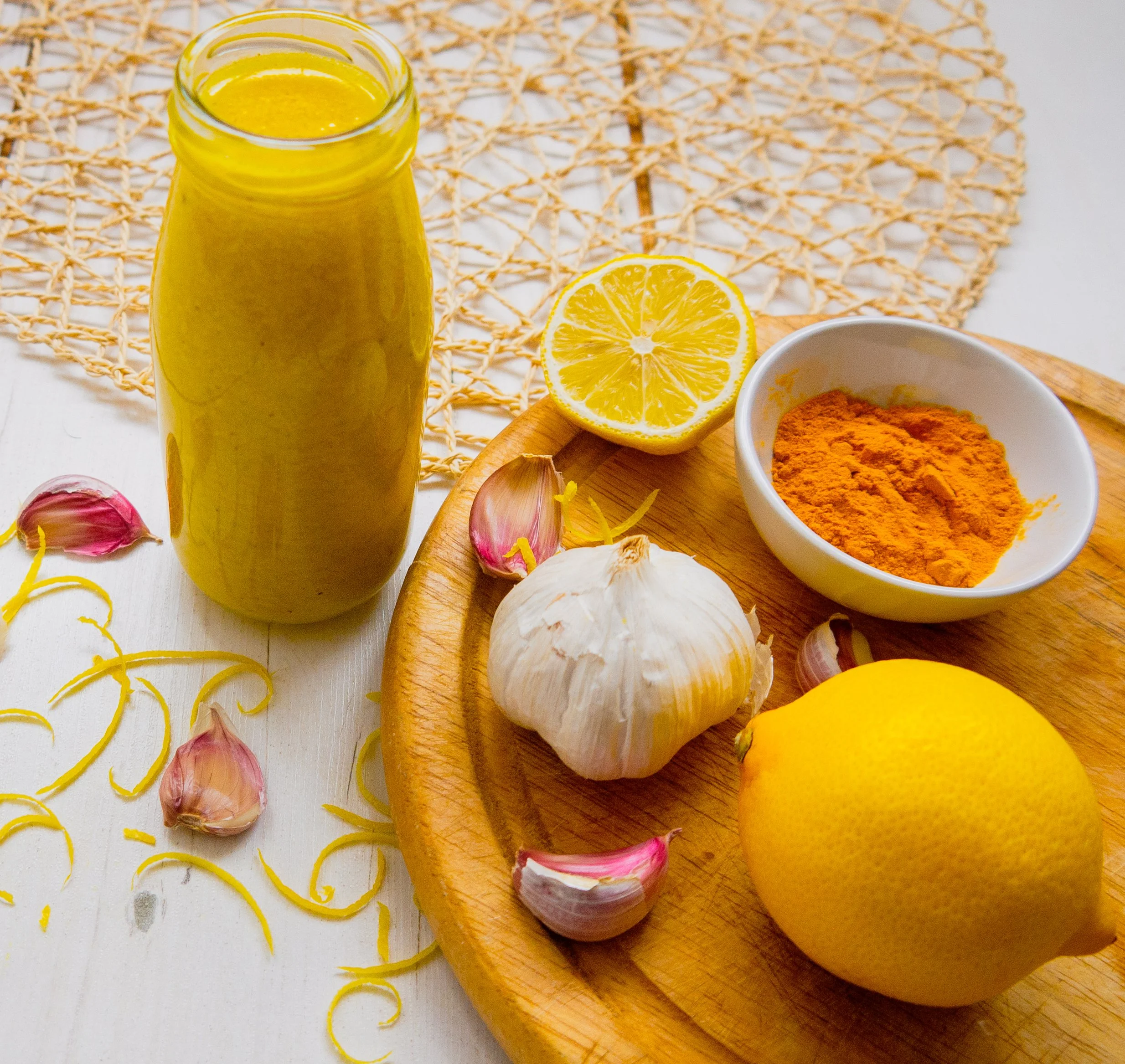
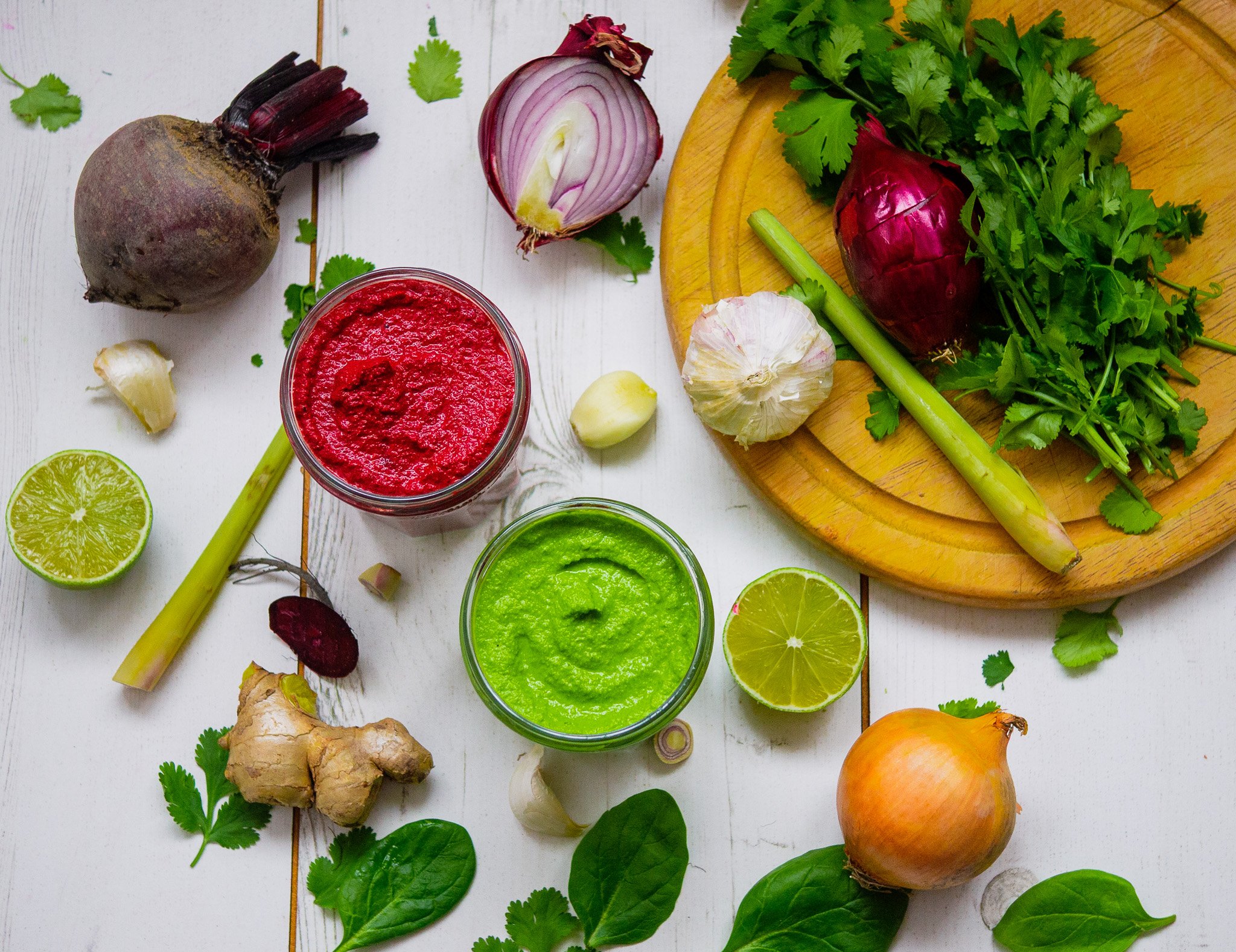
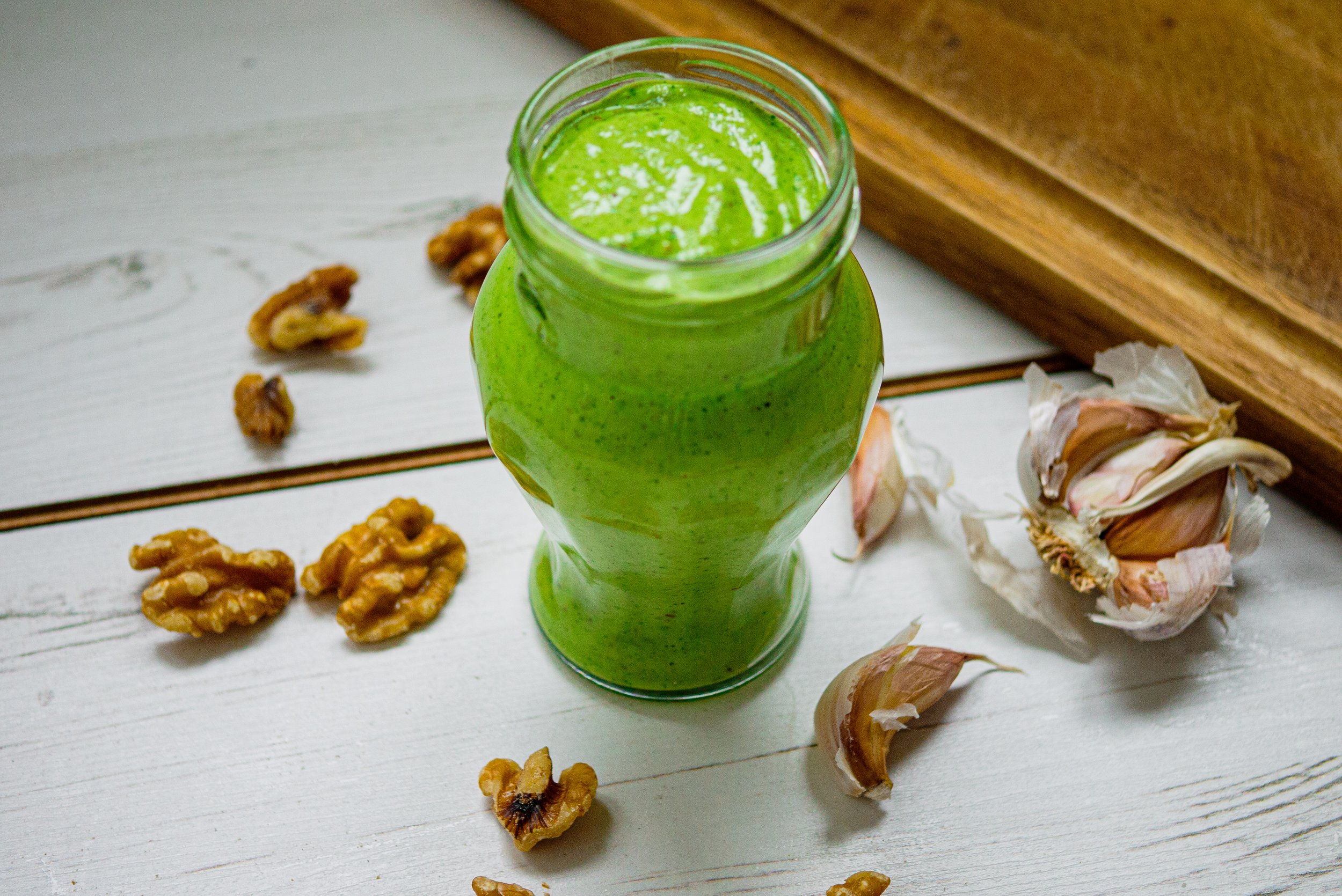
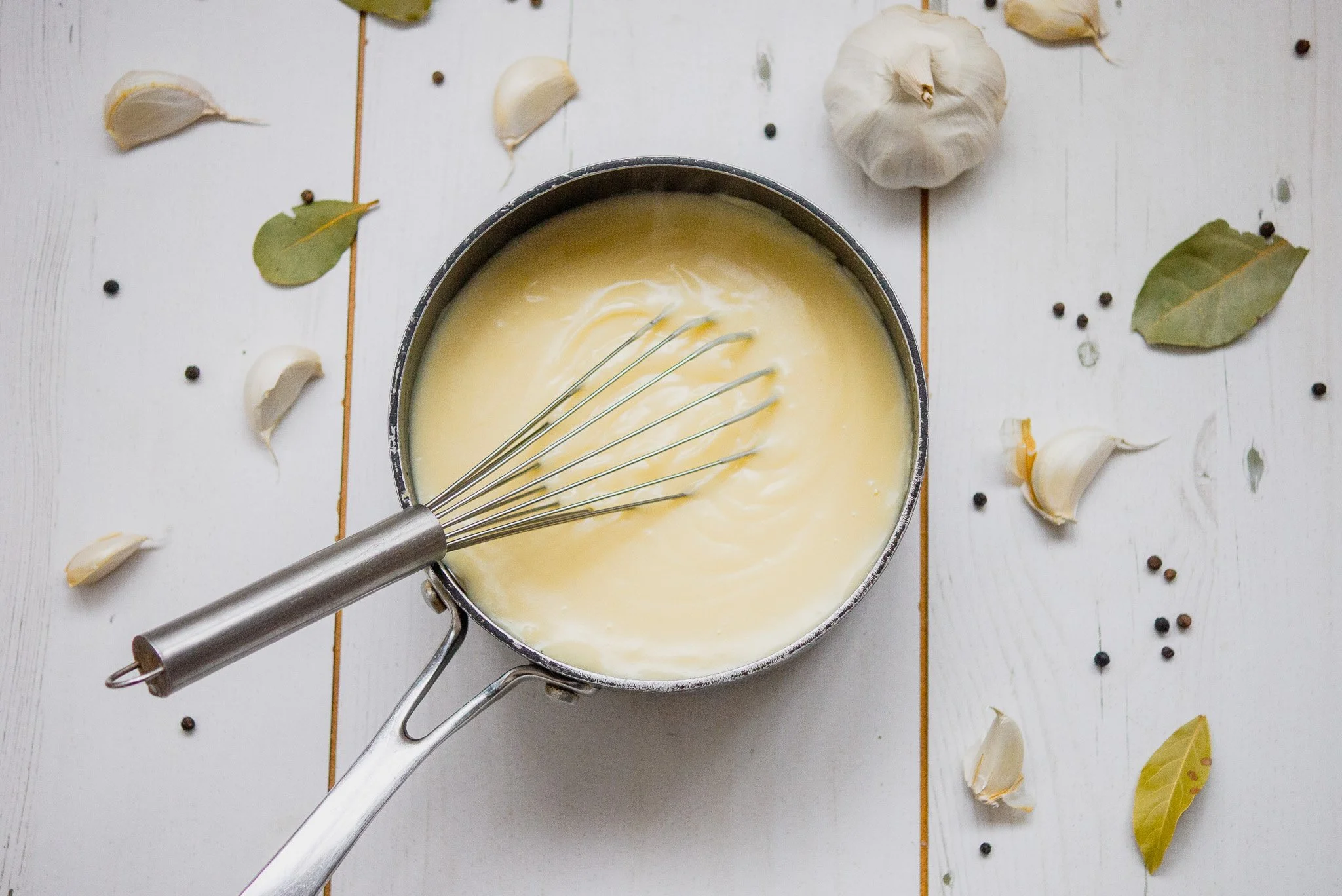
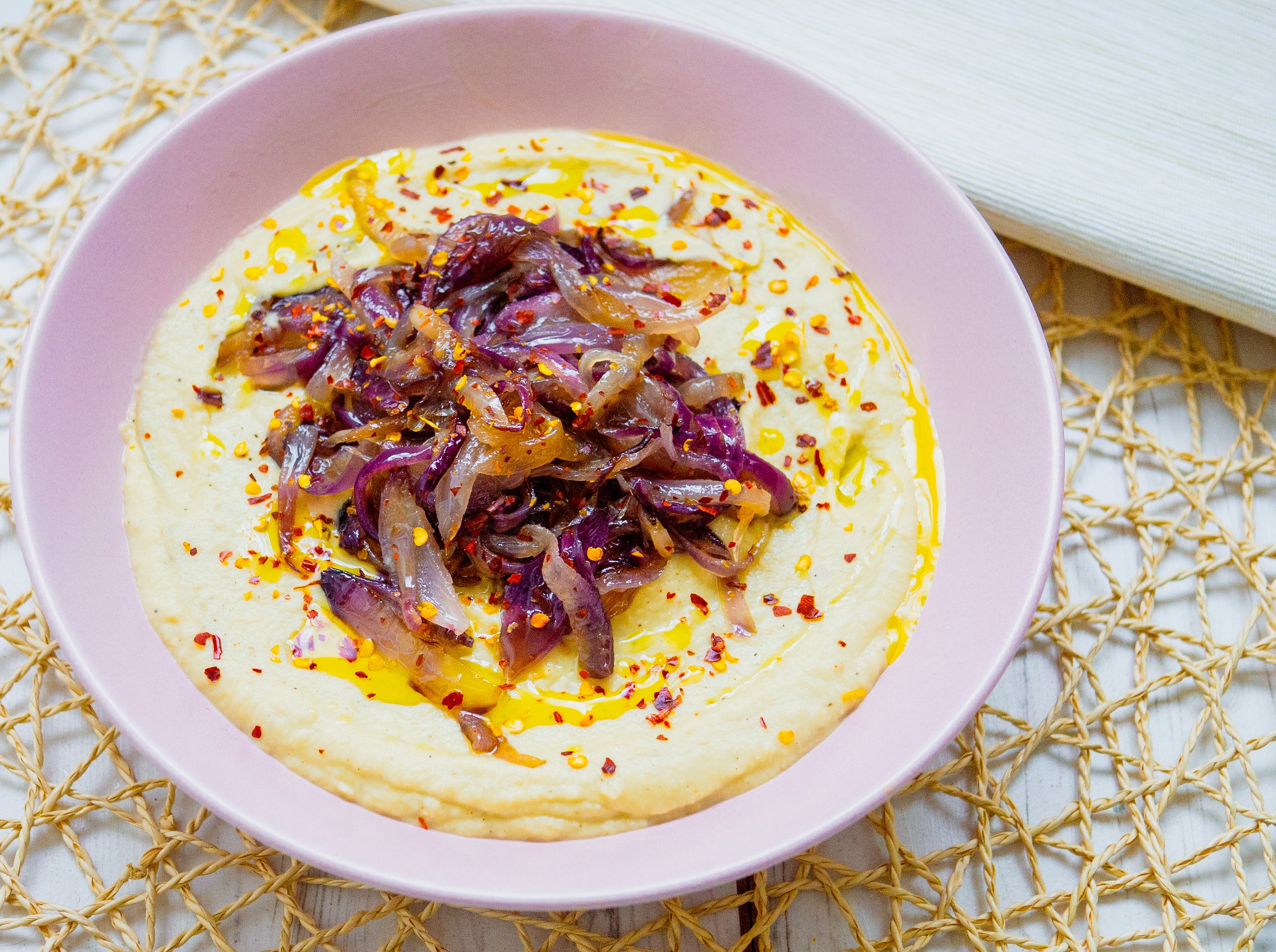
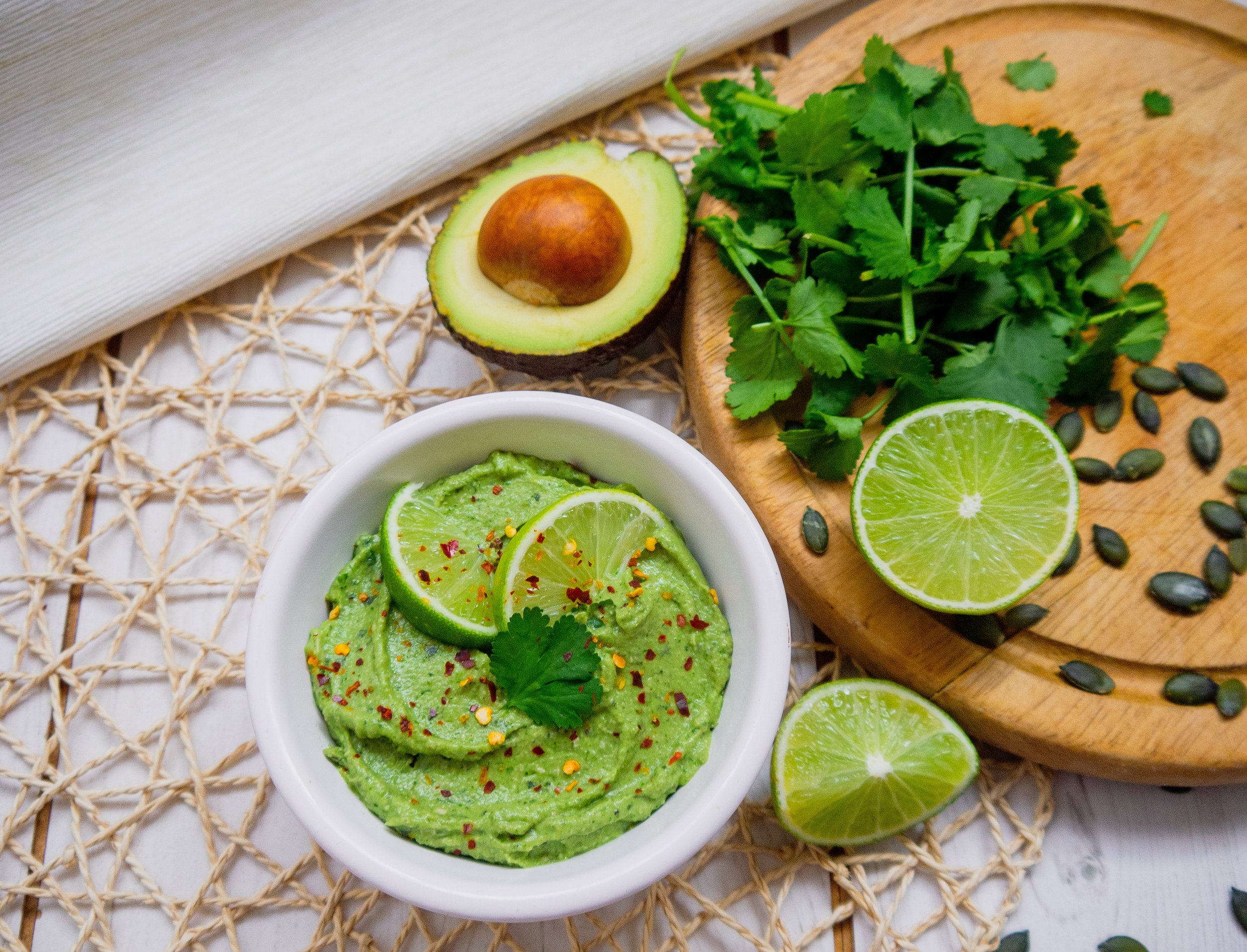
Nightshade-free condiments and sauces that do not rely on chilli or tomato derivatives.
Click on the pictures to be redirected to the recipes or to the shop.
Frequently Asked Questions
Are black and white pepper considered nightshades?
No, black and white pepper are not members of the nightshade family (Solanaceae) and are safe to consume on a nightshade-free diet. They are excellent alternatives for adding warmth to your dishes when avoiding chilli-based spices.
Can I eat sweet potatoes if I am avoiding nightshades?
Yes, sweet potatoes are perfectly safe to eat. Unlike white or red potatoes, sweet potatoes belong to the Convolvulaceae family and are not nightshade vegetables, making them an ideal, nutrient-rich substitute for white potatoes.
How long should I follow the elimination diet?
It is generally recommended to follow an elimination diet for 3 to 4 weeks to allow your body to reset and for symptoms like joint pain or skin inflammation to subside. If you do not see improvements after this time, it is advisable to consult with a GP or registered dietitian to explore other potential triggers.
Are all gluten-free products safe for this diet?
Not necessarily, as many pre-packaged gluten-free flour blends and baked goods use potato starch as a binding agent or thickener. Always check the ingredients label carefully to ensure no hidden potato-derived ingredients are present.
How do I substitute tomatoes in recipes for an anti-inflammatory diet?
If you are making a salad, I love using pomegranate. If you need to substitute tomatoes in sauces, use my no mato sauce recipe HERE, its a tomato free sauce that tastes almost the same.
Summary and Next Steps
Adopting a nightshade free diet becomes much simpler once you learn which foods to skip and where these ingredients might be hiding. I truly hope this guide and the resources included have helped you feel more confident on your health journey. Remember that consistency is key, and simple substitutions can make a world of difference to your daily meals.
How long does it take to see results?
While some people notice improvements within a few days, it is generally recommended to follow an elimination diet for 3 to 4 weeks to see significant changes in symptoms related to joint pain or autoimmune disease. During this transition, remember to incorporate natural anti-inflammatories like turmeric and ginger into your cooking for extra support.
Here are a few reminders of resources available to download.
I have a dedicated board on pinterest take a look here for even more nightshade free recipes.

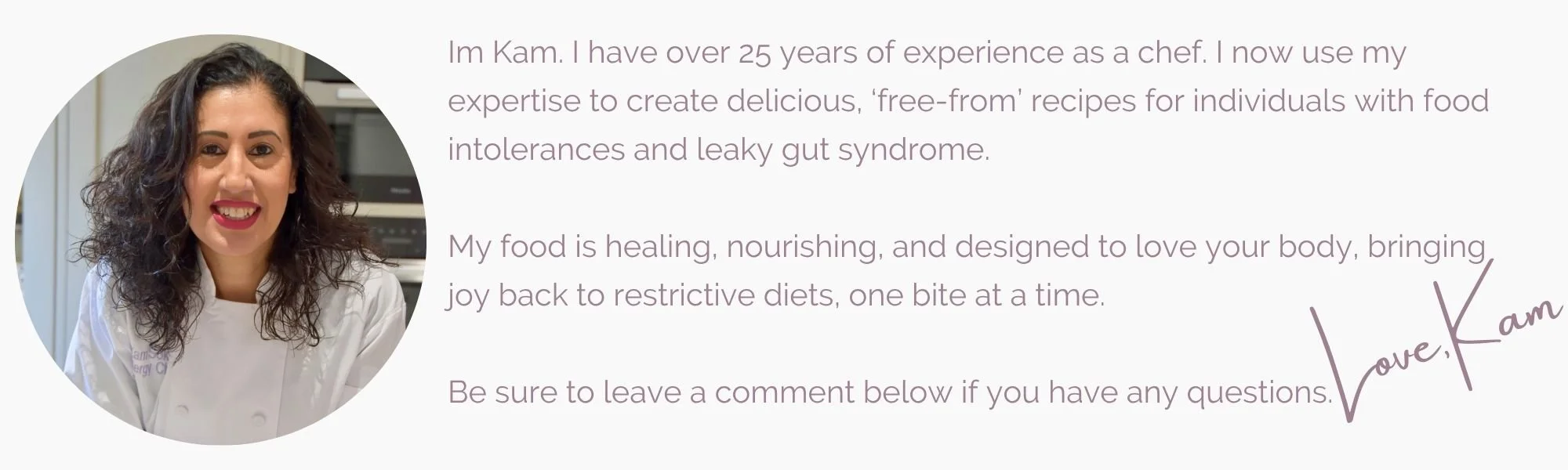
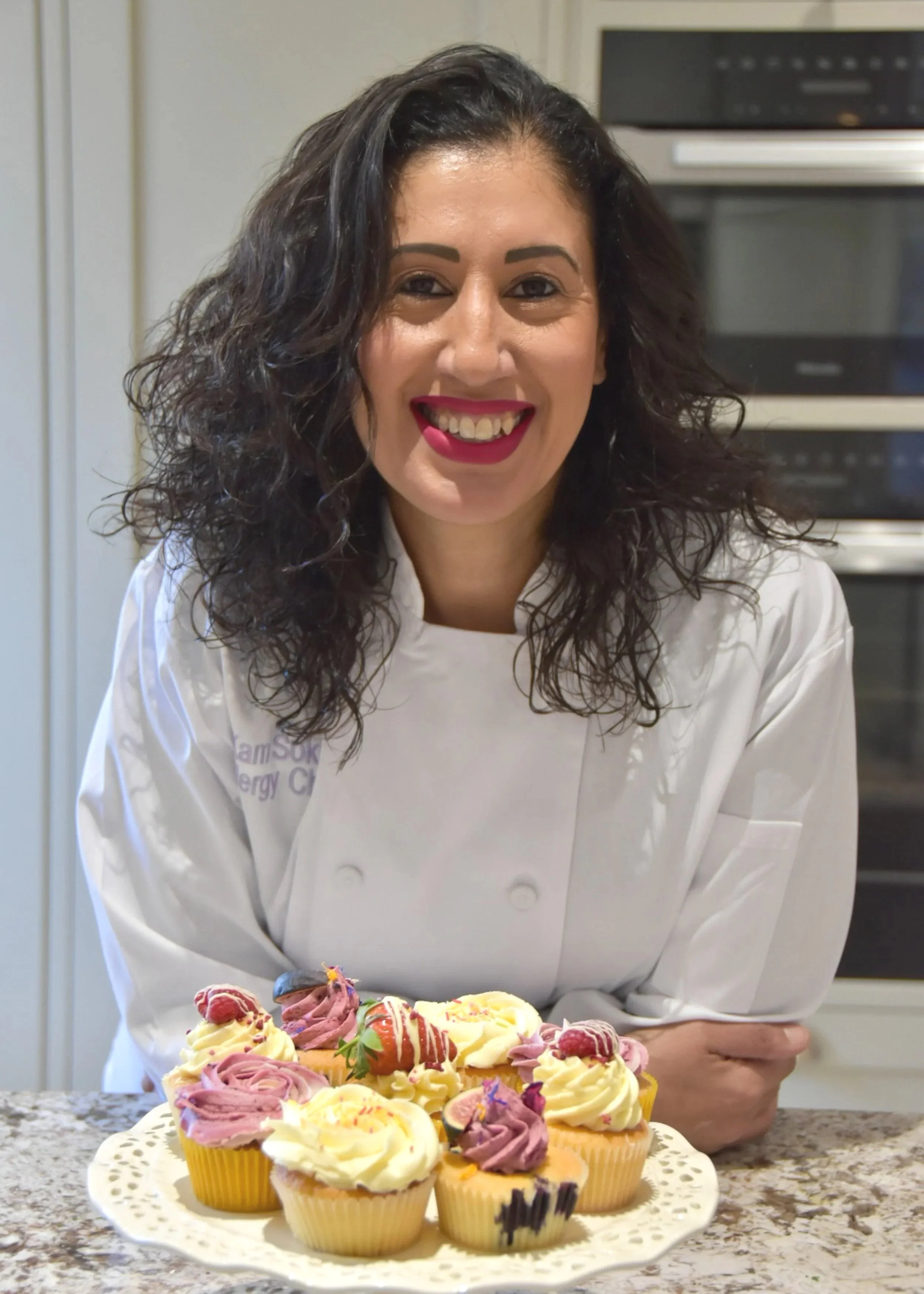
If you need further support on your journey with food intolerances, I offer one-to-one consultations as an intolerance specialist chef with over 25 years of culinary experience and first-hand experience managing complex food intolerances.
During a 60-minute consultation, you’ll have the opportunity to ask questions and receive personalised guidance on intolerance-friendly eating, including safe ingredient swaps, meal inspiration, navigating food labels, and understanding what to eat when managing food intolerances, leaky gut, or inflammation.
My aim is to help you feel confident, inspired, and supported in creating enjoyable meals that work for your individual needs. Click HERE for more information.
You might also like:
Looking for anything?
Browse all Articles
Latest Articles
Latest Recipes
Follow along 0n Instagram

Discover Cookery ebooks & Guides
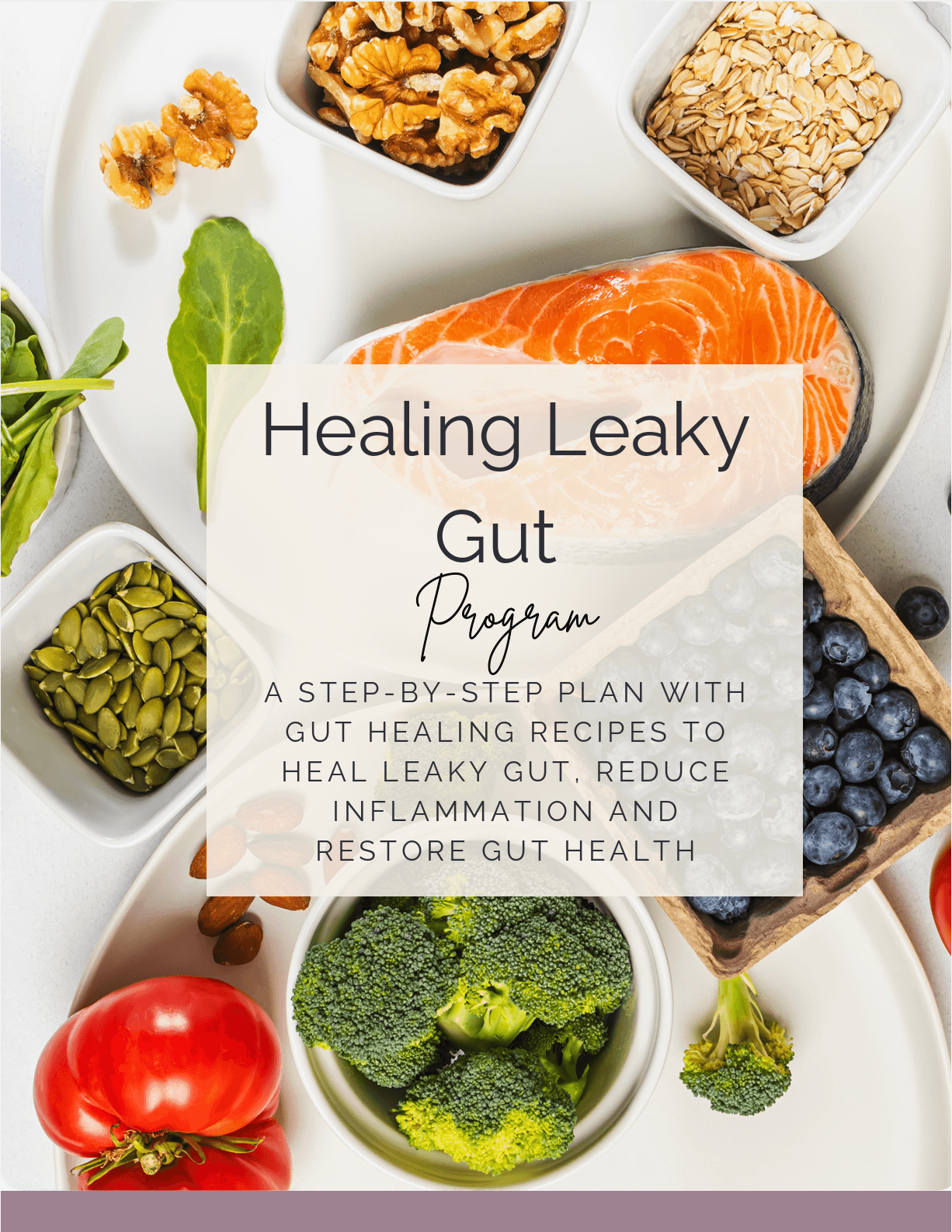
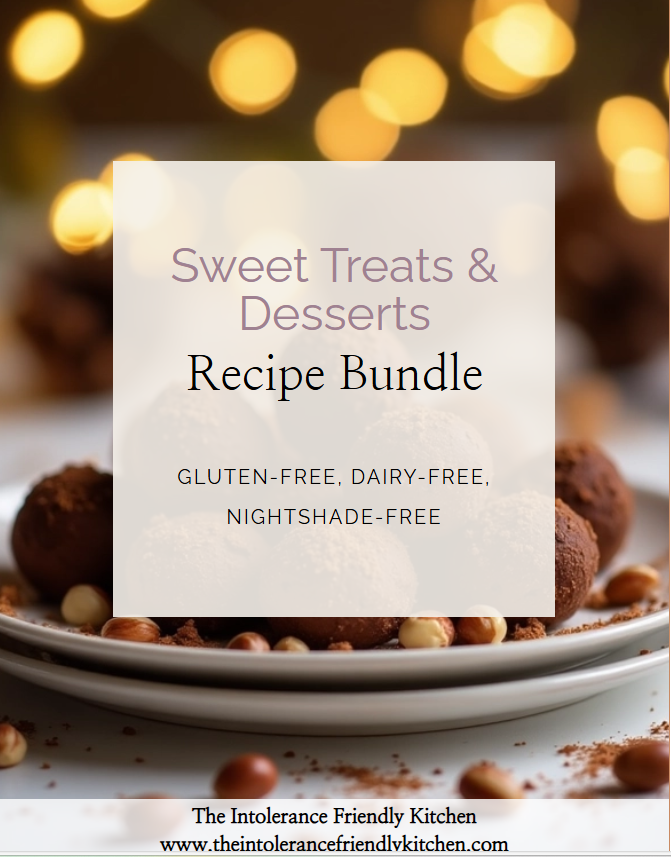

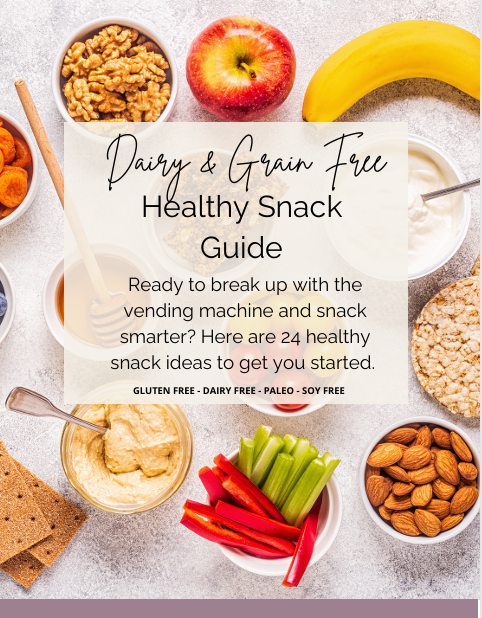

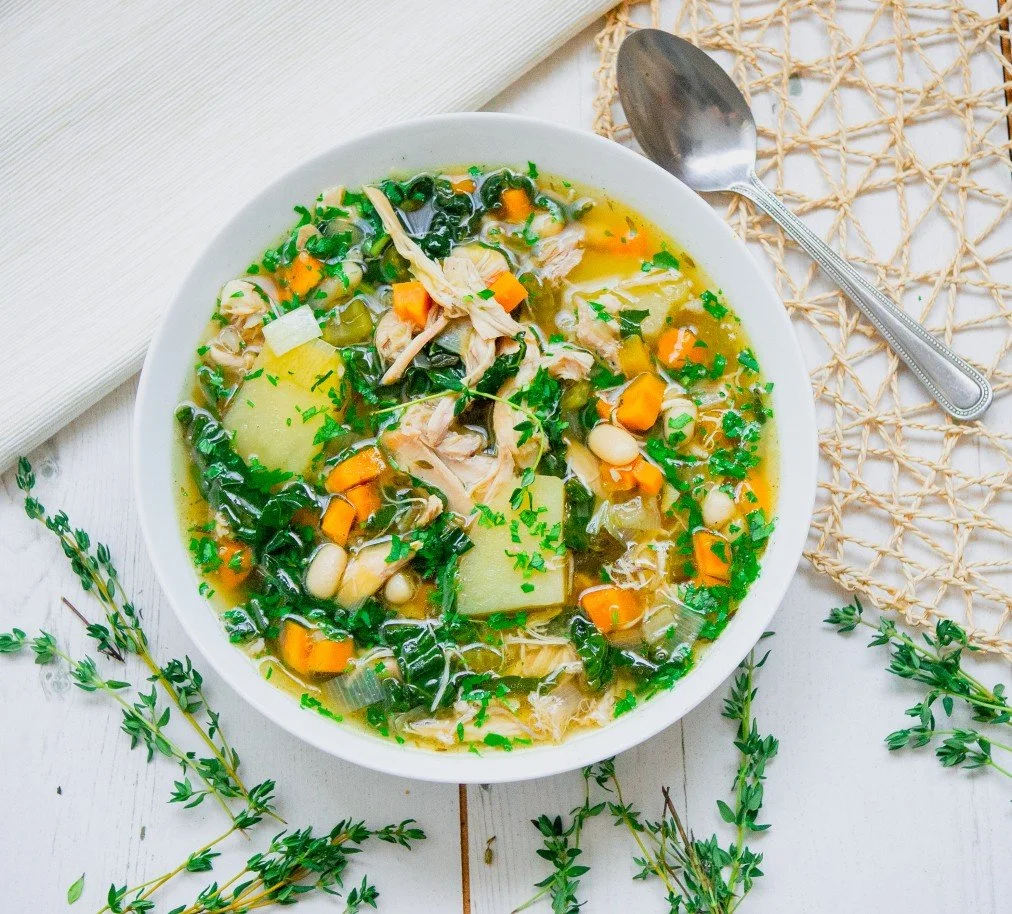
Discover anti-inflammatory recipes that are nightshade free and full of flavour, with easy meals, fresh ingredients and bold, satisfying taste.